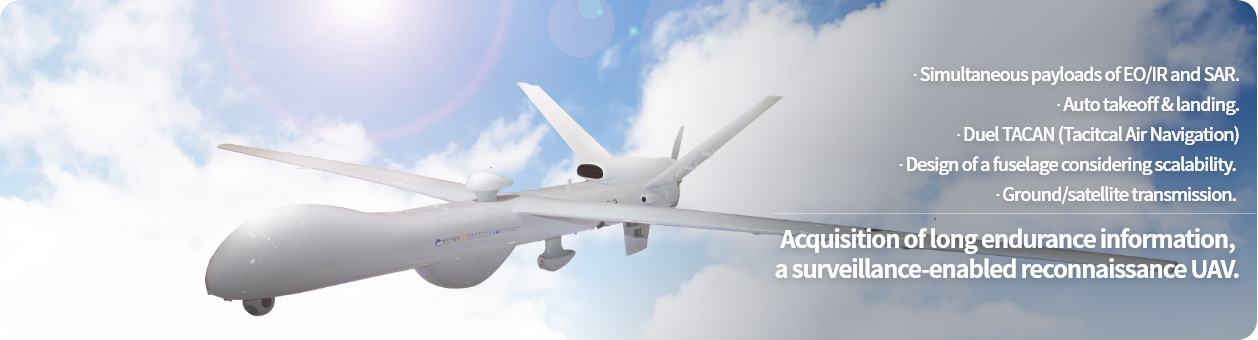
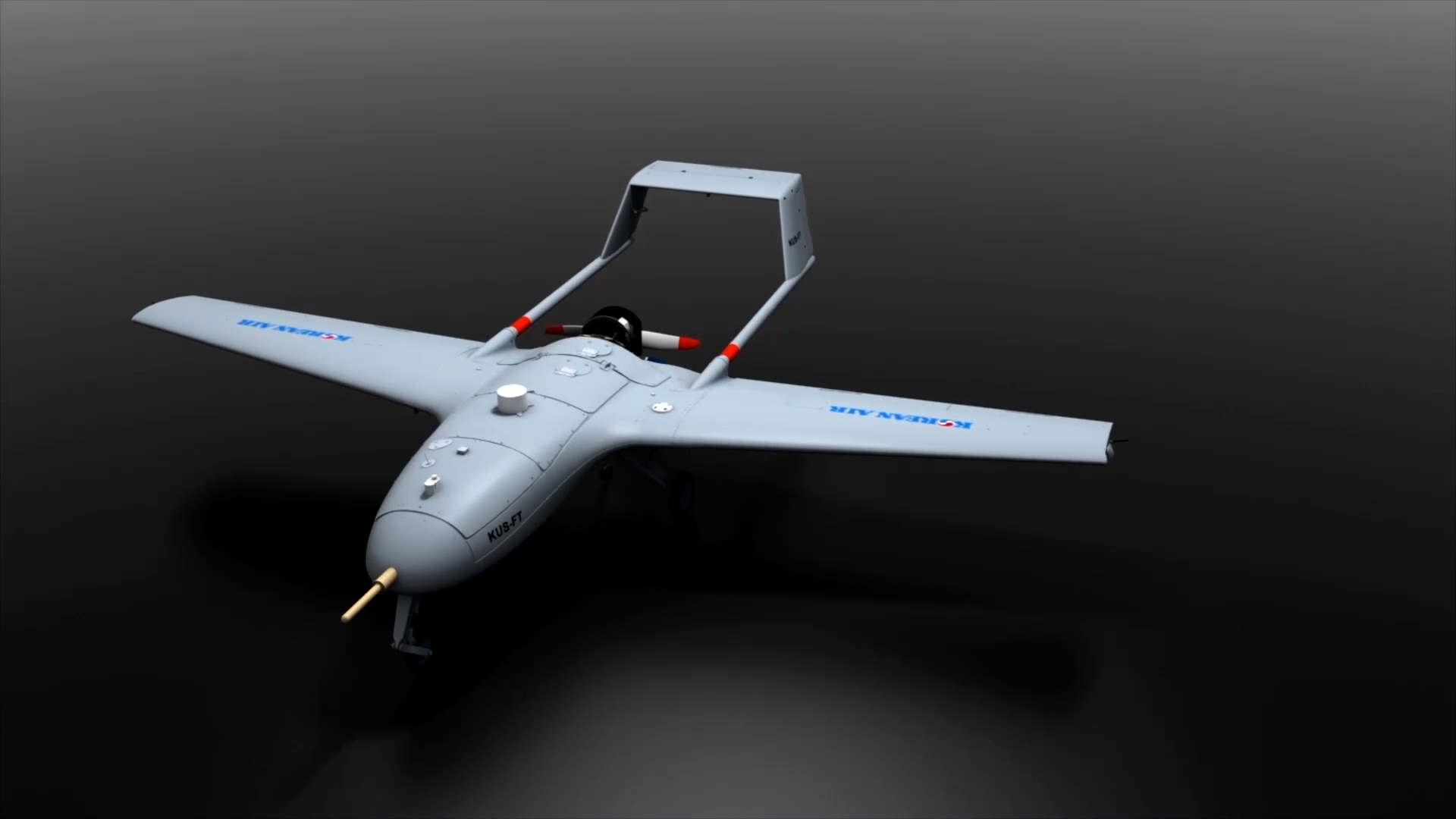
RQ-101
Korea Aerospace Industries · South Korea · also known as Songgolmae, KAI RQ-101 · Updated
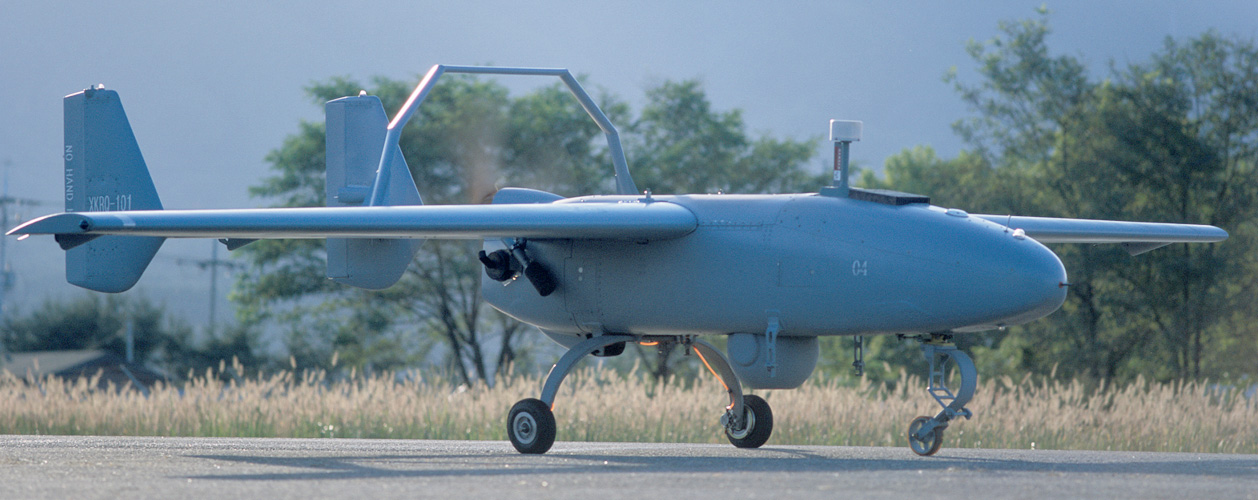
RQ-101, also known as Songgolmae, is a tactical UAV developed by Korea Aerospace Industries of South Korea, first flown in 1993. It provides reconnaissance and artillery-spotting imagery for the Republic of Korea Army and was the country's first indigenous tactical UAV programme.
Overview
South Korea's armed forces operated early Israeli UAVs, including the IAI Searcher II, in the 1990s, and the RQ-101 programme is reported to have drawn on that type as a technical basis for Korea's in-house development. Exploratory work began in 1991 and system development started in 1993, the year of the type's first flight; operational testing ran until 1997 and the programme was officially completed in 2000, with the aircraft entering service with the Republic of Korea Army in 2002. Korea Aerospace Industries carried out performance improvements between 2009 and 2011, followed by three minor updates through 2015; the company has not upgraded the type's performance since, citing a lack of budget, and has been developing a successor, the NCUAV, since 2012.
Design and capabilities
The RQ-101 is a propeller-driven fixed-wing aircraft with a length of 4.7 m and a wingspan of 6.4 m, powered by a single 52 shp (39 kW) piston engine. It has a gross weight of 215 kg and a maximum takeoff weight of 290 kg, carrying a payload of up to 50 kg. Wikipedia lists a maximum speed of 185 km/h and a cruise speed of 150 km/h, an endurance of about six hours, an operational range of 200 km and a service ceiling of 4,500 m. Standard sensors include SU-1K electro-optics and a forward-looking infrared (FLIR) camera, with navigation by GPS/INS and a line-of-sight data link relaying live video to its ground station.
Operational history
The RQ-101 is in service with the Republic of Korea Army. The exact fleet size has not been officially disclosed; public estimates put the number at several dozen aircraft as of 2017.
Frequently asked questions
What is the range of the RQ-101?
It has an operational range of about 200 km from its ground control station.
How long can the RQ-101 fly?
Its endurance is about six hours.
Who operates the RQ-101?
The Republic of Korea Army, which has used the type since it entered service in 2002.
What is Songgolmae?
Songgolmae is the Korean name for the RQ-101, Korea Aerospace Industries' first indigenous tactical UAV.
How fast is the RQ-101?
It has a maximum speed of 185 km/h and a cruise speed of 150 km/h.
Is the RQ-101 still being upgraded?
No. Korea Aerospace Industries made minor updates through 2015 but has not upgraded its performance since, due to budget constraints, and has developed a successor, the NCUAV, since 2012.