Stalker XE
Lockheed Martin · United States · also known as Stalker eXtreme Endurance, Lockheed Martin Stalker · Updated
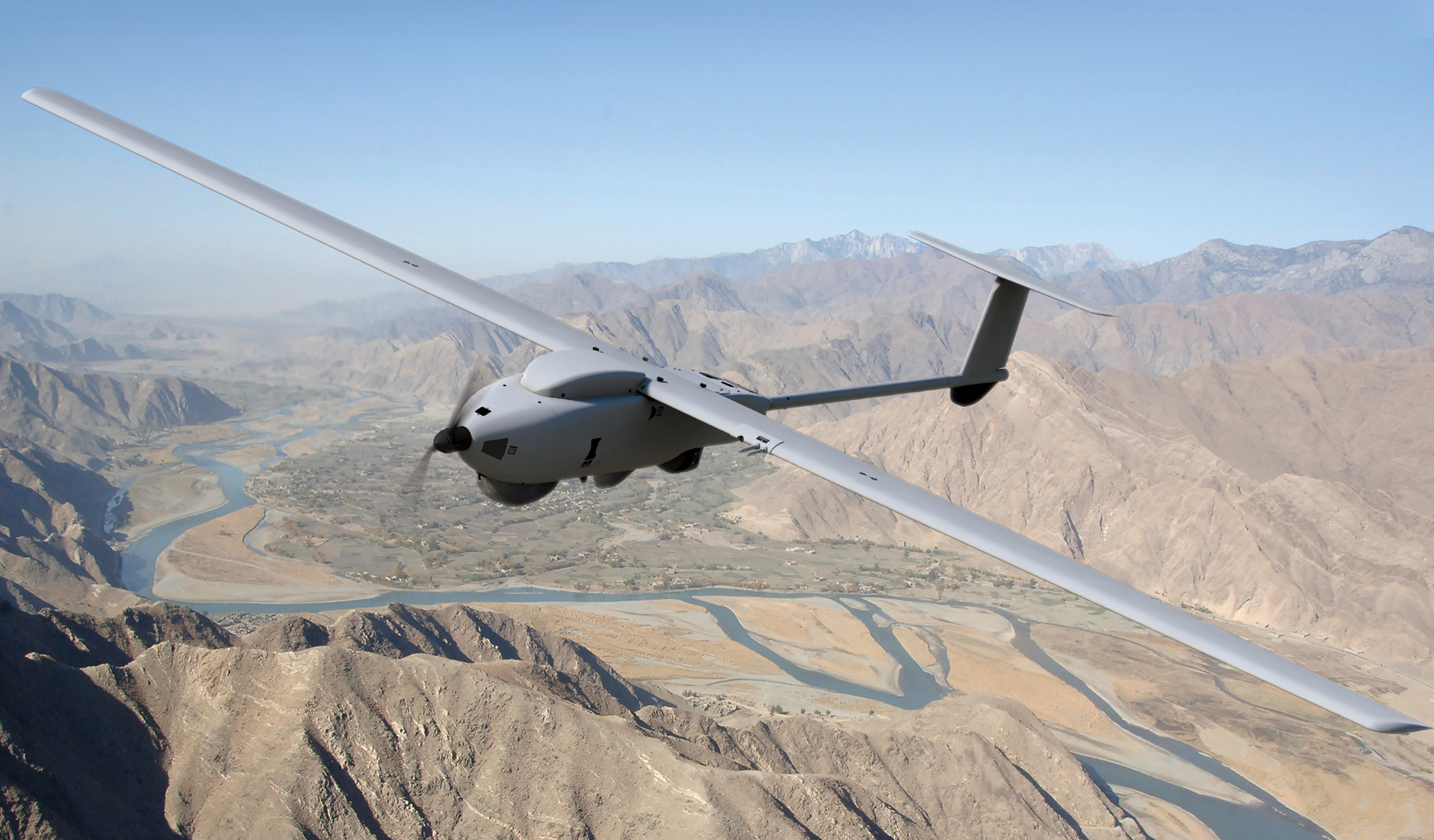
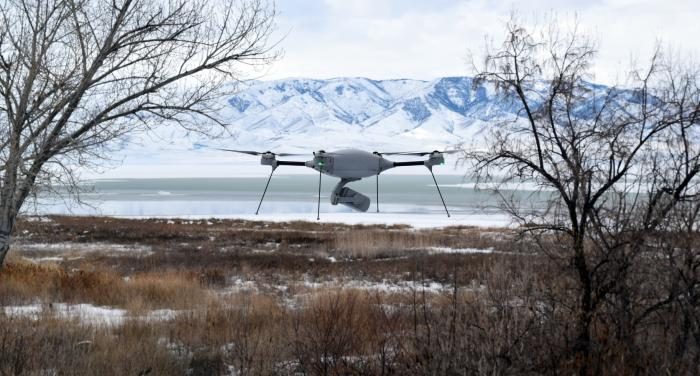
Stalker XE is a ruggedized, long-endurance variant of the Lockheed Martin Stalker, a small hand-launched electric unmanned aircraft first flown in 2006 by Lockheed Martin's Skunk Works. The XE variant adds an optional propane-fuelled solid-oxide fuel cell that extends flight time to roughly eight hours, about four times the baseline battery-powered aircraft's endurance, and has been used by US special operations forces since 2011.
Overview
Lockheed Martin Skunk Works created the original Stalker in 2006, the same team that built the Desert Hawk mini-UAS, as a quiet, hand-launched, belly-landing aircraft for intelligence, surveillance and target acquisition. Wikipedia's article on the type states that the airframe was designed and built by Edge Autonomy and originally sold by Lockheed Martin Skunk Works, without resolving why Lockheed Martin is listed as the aircraft's manufacturer. The baseline aircraft's electric motor and battery gave about two hours of endurance; the US Army Research Laboratory then developed a propane-fuelled solid-oxide fuel cell that Lockheed Martin fitted to create the Stalker XE, unveiled in August 2011 and flight-qualified the same year. A 2013 update added a larger propane tank, raising endurance further to about 13 hours on fuel-cell power, though more recent Lockheed Martin statements describe the system's current form as offering up to 8 hours on the fuel cell or up to 4 hours on battery alone, depending on payload and launch method.
Design and capabilities
The shared Stalker/Stalker XE airframe has a 3 m wingspan and a maximum take-off weight of about 8 kg, powered by a single electric Hush Drive motor turning a two-blade propeller; the baseline aircraft's maximum dash speed is about 80 km/h, and the XE's typical cruise speed is about 56 km/h. Service ceiling is about 4,600 m. It is hand-launched and recovered by belly landing in its original form; Lockheed Martin has since added pneumatic-rail and bungee launch options, and in 2018 introduced a vertical-take-off-and-landing (VTOL) kit to let the aircraft operate from more austere sites with a smaller logistics footprint. The standard sensor payload is an image-stabilised pan-tilt-zoom turret with daylight, low-light and infrared imagers and a target tracker; the camera module can be swapped for other droppable payloads.
Operational history
US Army and Marine Corps special operations units flew Stalkers in Afghanistan to help detect improvised explosive devices, launching aircraft two to three times a day on a sustained basis; Wikipedia's article treats US Special Operations Command as the presumed primary user, since the original customer was not publicly disclosed. In December 2022 the UK Ministry of Defence awarded Lockheed Martin UK a ten-year, roughly £129 million contract covering about 105 fixed-wing Stalker VXE30 aircraft and 159 Indago 4 rotary-wing drones, intended to replace the British Army's Desert Hawk 3 mini-UAS by the end of 2024. The Stalker VXE30 is a larger, vertically launched descendant of the Stalker XE, with a 4.88 m wingspan and a 20 kg weight, rather than the XE variant covered on this page.
Frequently asked questions
How long can the Stalker XE fly?
Lockheed Martin has stated endurance figures of up to 8 hours on its propane-fuelled solid-oxide fuel cell, or up to 4 hours on battery power alone, depending on payload and launch method; an earlier 2013 version with a larger fuel tank was rated at about 13 hours.
How is the Stalker XE launched?
It can be hand-launched and belly-landed, launched from a pneumatic rail or bungee system, or — since a 2018 upgrade — flown with a vertical-take-off-and-landing kit.
Who uses the Stalker XE?
US Army and Marine Corps special operations forces have used it in Afghanistan. The United Kingdom has separately contracted for the larger, related Stalker VXE30 variant to replace its Desert Hawk 3 mini-UAS.
Who actually builds the Stalker?
According to Wikipedia, the airframe was designed and built by Edge Autonomy and originally sold by Lockheed Martin Skunk Works, which is listed as the aircraft's manufacturer.