Aerostar
Aeronautics Defense · Israel · also known as Aerostar TUAV, Aerostar XP, Aerostar BP · Updated
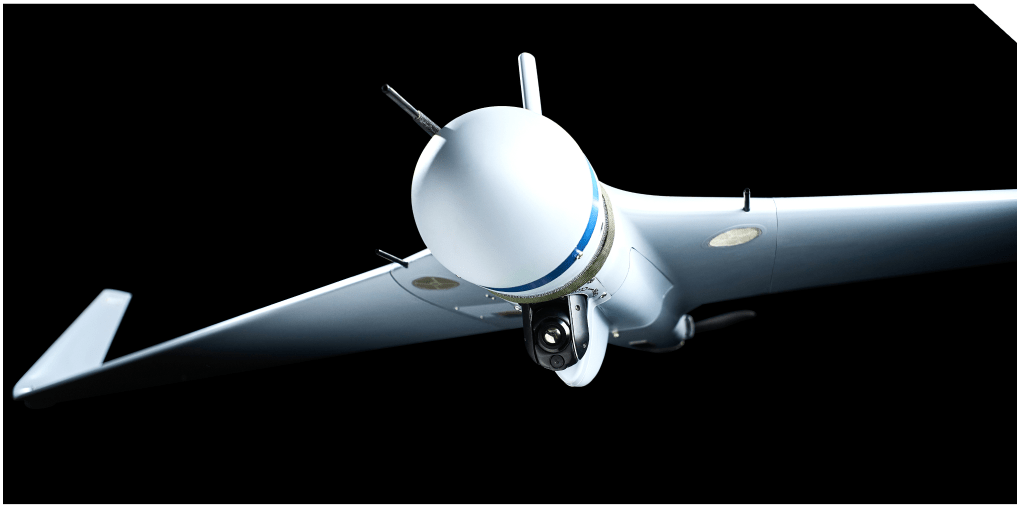
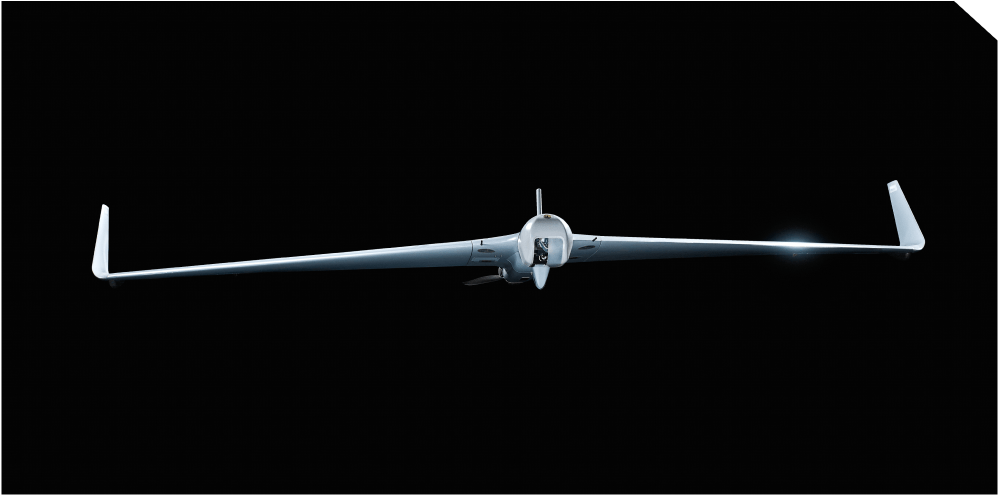
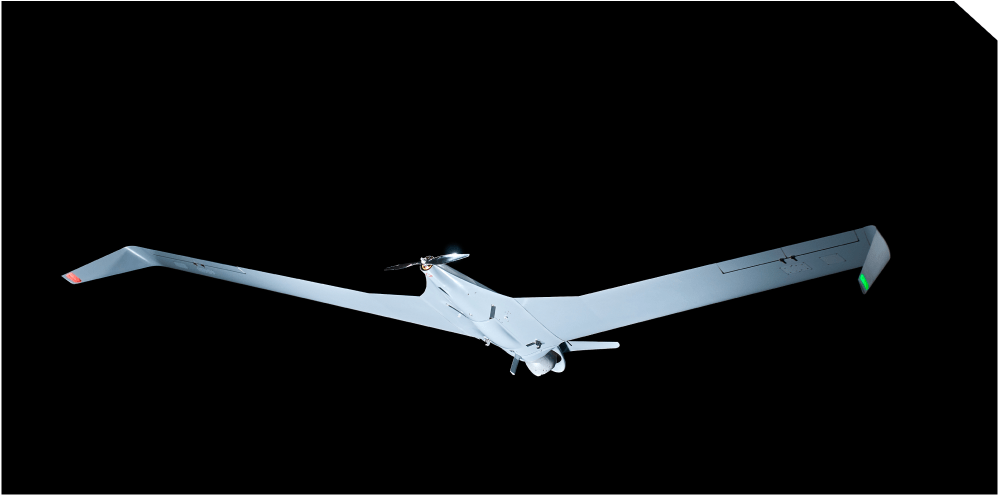
The Aerostar is a fixed-wing tactical unmanned aerial vehicle developed and manufactured by Aeronautics Defense of Israel for intelligence, surveillance, target acquisition and reconnaissance (ISTAR) missions.
Overview
Aerostar is a medium-altitude, long-endurance tactical UAV designed and built in-house by Aeronautics Defense, based in Yavne, Israel. Wikipedia dates the type's introduction to 2001, while Airforce Technology places its service entry a year earlier, in 2000; either way the airframe has remained in production and use for more than two decades. The system is flown by a three-person crew (pilot, mission commander and payload commander) from a ground control station, with intelligence relayed over a line-of-sight datalink extendable to beyond-line-of-sight coverage via SATCOM relay. Aeronautics has since marketed updated variants under names including Aerostar XP and Aerostar BP, built around the same core airframe and engine.
Design and capabilities
Aerostar is powered by a single Zanzottera 498i two-stroke, twin-cylinder boxer piston engine rated at about 38 hp (28 kW) with electronic fuel injection, per Airforce Technology and Army Recognition. The airframe carries a modular payload bay that Aeronautics advertises as compatible with electro-optic/infrared turrets, laser designation, synthetic aperture radar/ground moving target indication, maritime patrol radar, and signals-intelligence packages.
Reported dimensions and performance vary somewhat between the current manufacturer datasheet and third-party sources, likely reflecting different production-standard variants over Aerostar's long service life:
| Parameter | Aeronautics datasheet (current) | Airforce Technology |
|---|---|---|
| Length | 4.5 m | 4.5 m |
| Wingspan | 8.7 m | 7.5 m |
| MTOW | 240 kg | 220 kg |
| Max payload | 40 kg | 50 kg |
| Max speed | 100 kt (≈185 km/h) | 203 km/h |
Range also differs by source: Aeronautics' current datasheet lists the line-of-sight datalink range as up to 250 km, a figure Army Recognition's 2022 report on the Aerostar BP variant independently confirms; Airforce Technology's older data lists a 200 km operational range. This entry uses the manufacturer's current 250 km figure as the primary value. Endurance is consistently reported at over 12 hours across the manufacturer's datasheet, product page and Wikipedia. Airforce Technology gives a service ceiling of 18,000 ft (about 5,486 m), not independently confirmed by the manufacturer's public materials.
Operational history
Aerostar has been operated by Aeronautics' home customer, the Israeli armed forces, and exported to other militaries. Airforce Technology documents a contract under which the Dutch Ministry of Defence acquired Aerostar systems for the Royal Netherlands Army, an order for two systems from Polish forces in March 2010, and lists Thailand among operating air forces. Army Recognition reports Azerbaijan displaying its Aerostar BP system publicly at the ADEX defence exhibition.
Frequently asked questions
What is the Aerostar used for?
It is a tactical ISTAR UAV: it carries surveillance, targeting and signals-intelligence payloads to provide real-time reconnaissance to a ground control station.
Who makes the Aerostar?
Aeronautics Defense, an Israeli unmanned-systems manufacturer headquartered in Yavne, designs and builds the Aerostar in-house.
How far can the Aerostar fly from its control station?
Aeronautics' current specifications list a line-of-sight datalink range of up to 250 km, extendable via SATCOM relay; some earlier third-party references cite 200 km.
How long can the Aerostar stay airborne?
Its manufacturer-rated maximum endurance is more than 12 hours.
How many crew does it take to operate an Aerostar?
Three: a pilot, a mission commander and a payload commander, working from a ground control station.
Which countries have operated the Aerostar?
Documented customers include Israel, the Netherlands, Poland, Thailand and Azerbaijan.