Chi-7 Helicoptero UAV
Aerodreams · Argentina · also known as Chi-7 Helicopter UAV, Chi-7 Helicóptero Dual · Updated
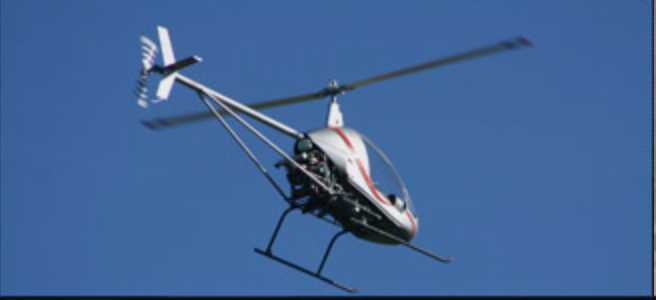
Chi-7 Helicoptero UAV is a dual-mode, manned-or-unmanned helicopter developed by Aerodreams of Argentina, built on the airframe of the Cicaré CH-6 light helicopter. It can be flown conventionally with a pilot on board or operated remotely as a UAV, and Aerodreams designed it to carry sensor payloads too large or heavy for the company's fixed-wing Strix UAV.
Overview
Aerodreams, a Buenos Aires-based aerial robotics company, built the Chi-7 as a single-seat helicopter that complements its Strix fixed-wing UAV by handling larger and heavier payloads. Because it can hover and operate from uneven terrain or the deck of a vessel, Aerodreams marketed the Chi-7 as suited to low-altitude missions in terrain the Strix cannot reach. Both aircraft use the same Automation Unit flight-control system and share a common ground control station, which Aerodreams said reduced investment and maintenance costs for operators running mixed fleets.
Aerodreams' own archived product page stated that the underlying helicopter design had logged more than 250,000 flight hours across more than 400 units sold worldwide, though that figure describes the manned helicopter platform broadly rather than confirming unmanned Chi-7 sales specifically. No operator of the UAV configuration has been publicly identified, and Aerodreams' website has not been reachable in recent years.
Design and capabilities
The Chi-7 has a 6 m main rotor diameter and a 1.1 m tail rotor, with a fuselage length of 7.15 m. It is powered by a Rotax 912 piston engine rated at 100 hp, giving a maximum take-off weight of 450 kg against an empty weight of 220 kg, for a payload capacity of up to 230 kg. Aerodreams quoted a cruising speed of 130 km/h and a maximum speed of 190 km/h, a maximum ascent rate of 8 m/s, and a service ceiling of 4,500 m, dropping to 1,800 m without ground effect. The manufacturer listed an endurance of 8 to 10 hours and said the airframe could carry electro-optical/infrared, FLIR, SAR or LIDAR sensors, as well as crop-spraying equipment for agricultural use.
Operating as a UAV, the Chi-7 is remotely piloted through the same Automation Unit used on the Strix; as a manned aircraft it is flown conventionally by an onboard pilot. Aerodreams positioned this dual capability as giving operators flexibility to choose the piloted or unpiloted mode according to mission needs, without investing in separate control systems.
Operational history
Aerodreams has not published specific operators, delivery numbers or dates for the Chi-7 UAV configuration. The company's marketing material credits the underlying helicopter design with an extensive flight-hour record, but gives no country-by-country breakdown, and no independent reporting on Chi-7 deployments has been found.
Frequently asked questions
What is the Chi-7 Helicoptero UAV?
A dual-mode helicopter from Aerodreams of Argentina that can be flown by an onboard pilot or operated remotely as a UAV, built to carry larger sensor payloads than the company's Strix fixed-wing drone.
How much can it carry?
Aerodreams rated the Chi-7 for a payload of up to 230 kg against a 450 kg maximum take-off weight.
How fast and how far can it fly?
The manufacturer quoted a cruising speed of 130 km/h, a maximum speed of 190 km/h, and an endurance of 8 to 10 hours.
Who makes the Chi-7?
Aerodreams, an aerial robotics company based in Buenos Aires, Argentina.
Is the Chi-7 still in production?
Unclear. Aerodreams' website has not been reachable in recent years, and no current operator or production status has been publicly confirmed.