ScanEagle
Insitu · United States · Updated
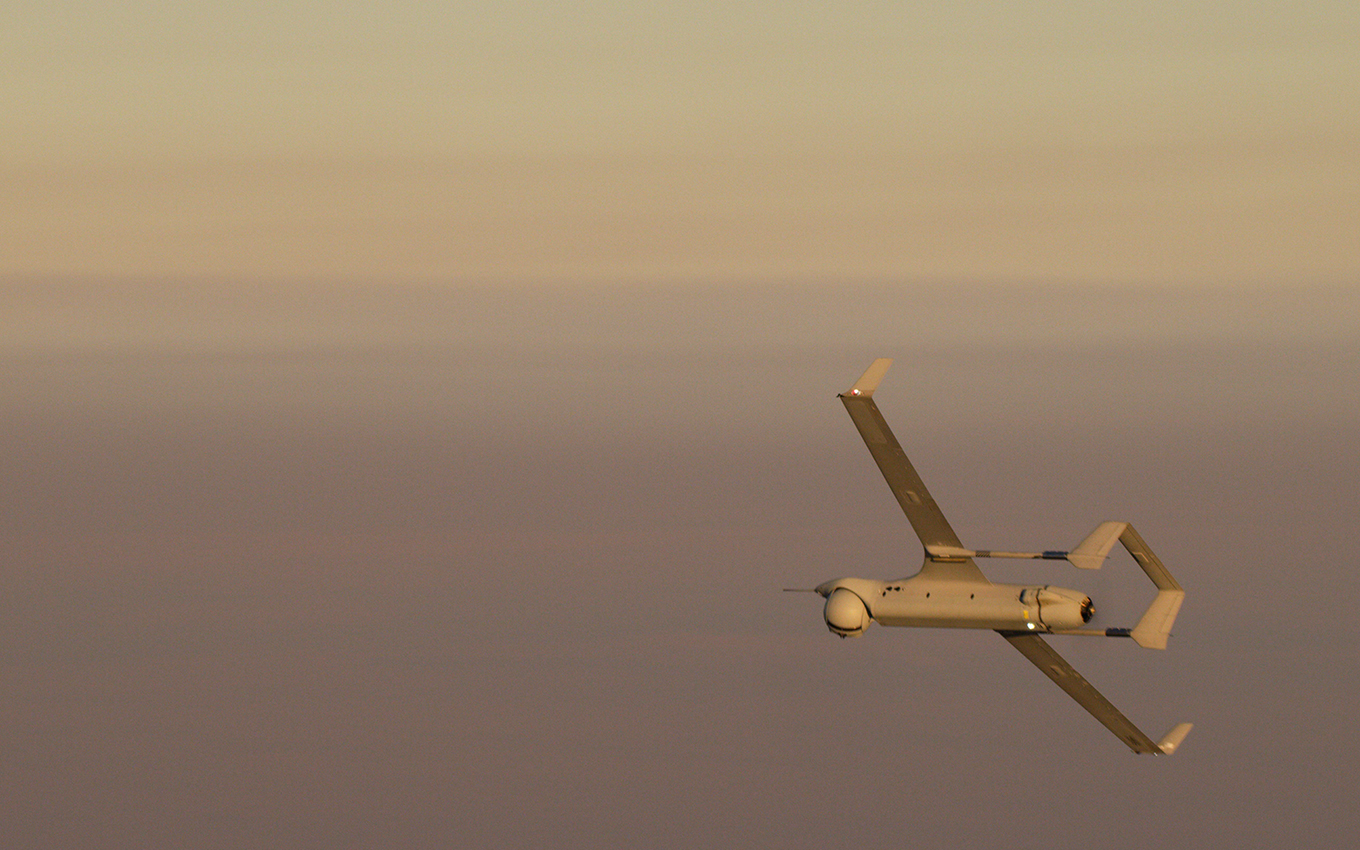
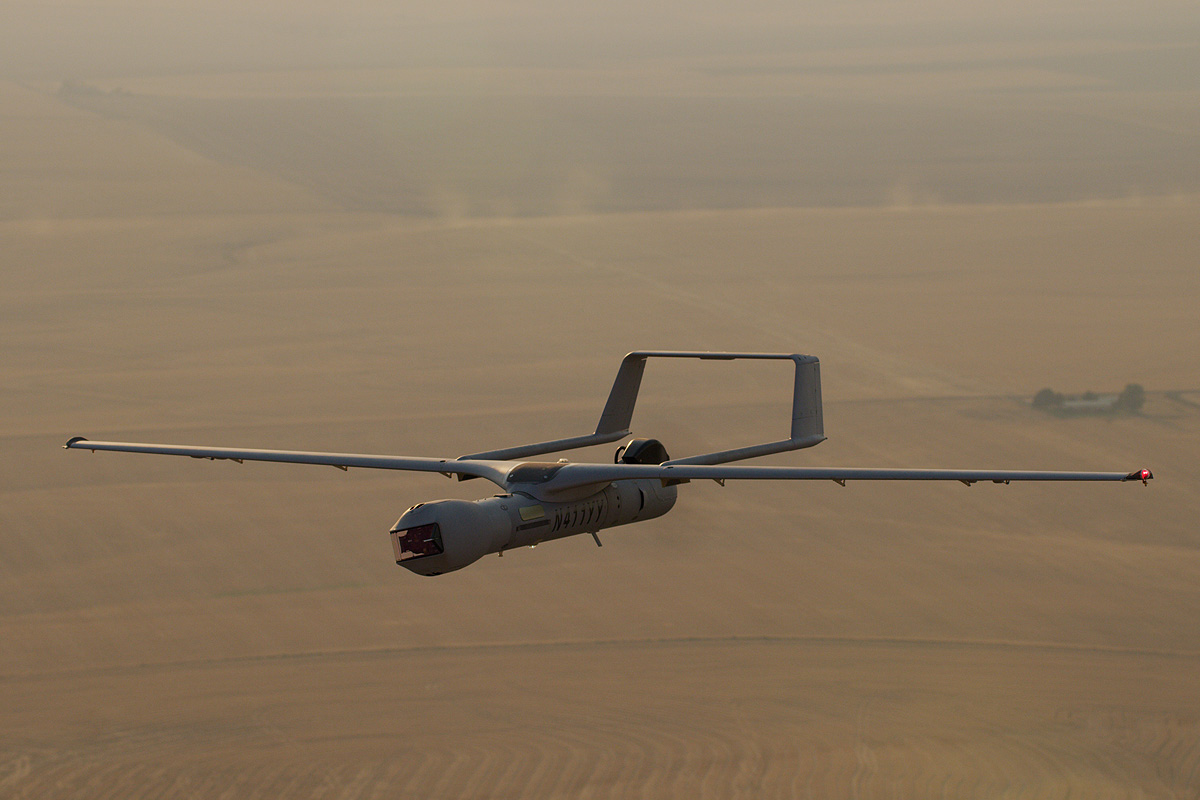
ScanEagle is a small, catapult-launched tactical unmanned aircraft built by Insitu, a Boeing subsidiary based in the United States, first flown in 2002. Derived from Insitu's earlier commercial fishing-spotter drone, it was one of the first small unmanned systems adopted at scale for military intelligence, surveillance and reconnaissance (ISR) work.
Overview
ScanEagle grew out of Insitu's SeaScan platform, originally developed to help commercial fishing fleets locate tuna schools. Following its first flight in 2002, the design was adapted for military ISR use and has been continuously deployed on land and at sea since 2004. Insitu, which builds ScanEagle, has operated as a Boeing subsidiary since 2008.
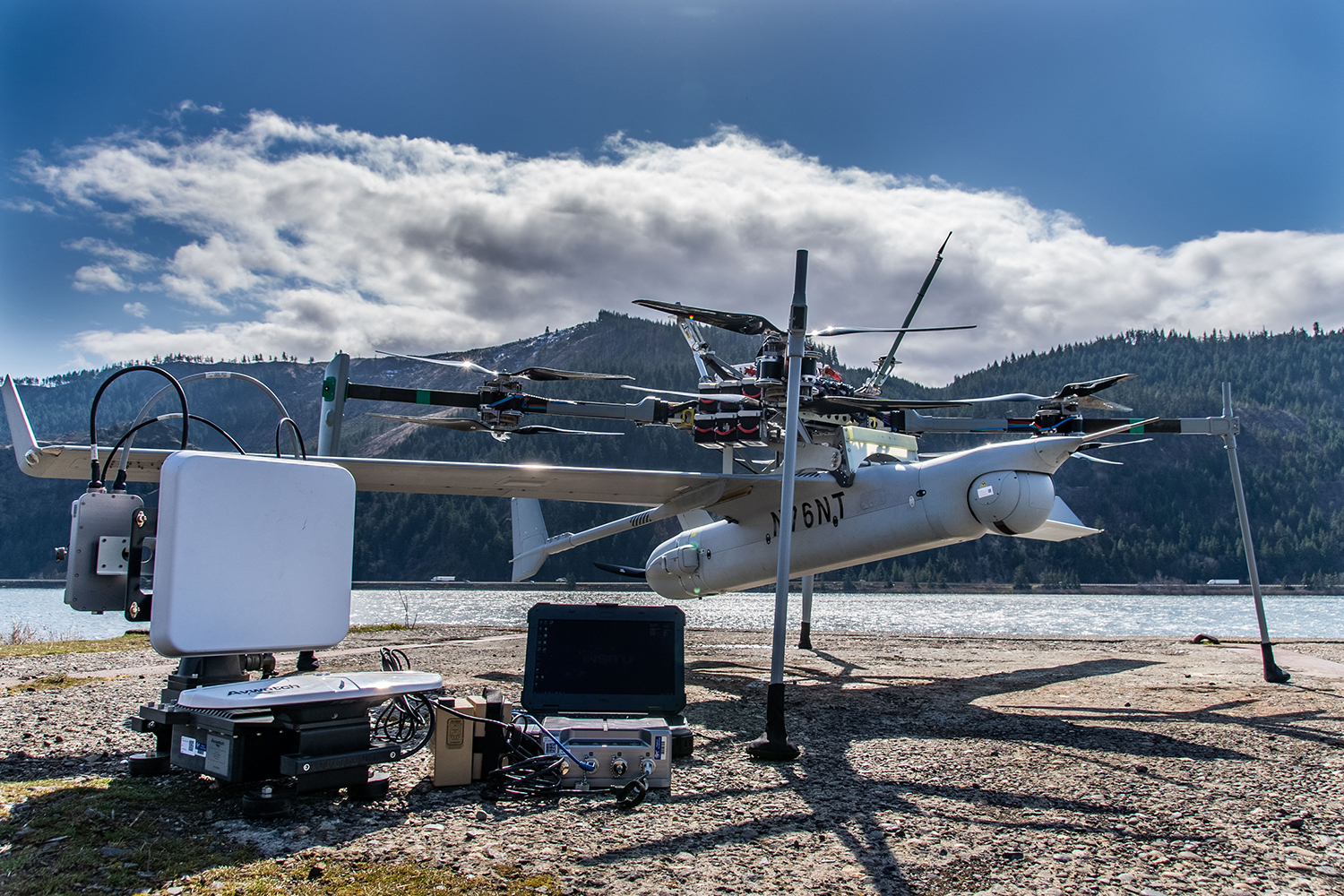
The aircraft is launched from a pneumatic catapult and recovered using Insitu's "Skyhook" system, a rope suspended from a pole that catches a hook on the wingtip — a method that lets ScanEagle operate without a runway from small ships or austere land sites. A newer FLARES vertical-launch-and-recovery kit has also been introduced as an alternative to the catapult-and-hook method.
Design and capabilities
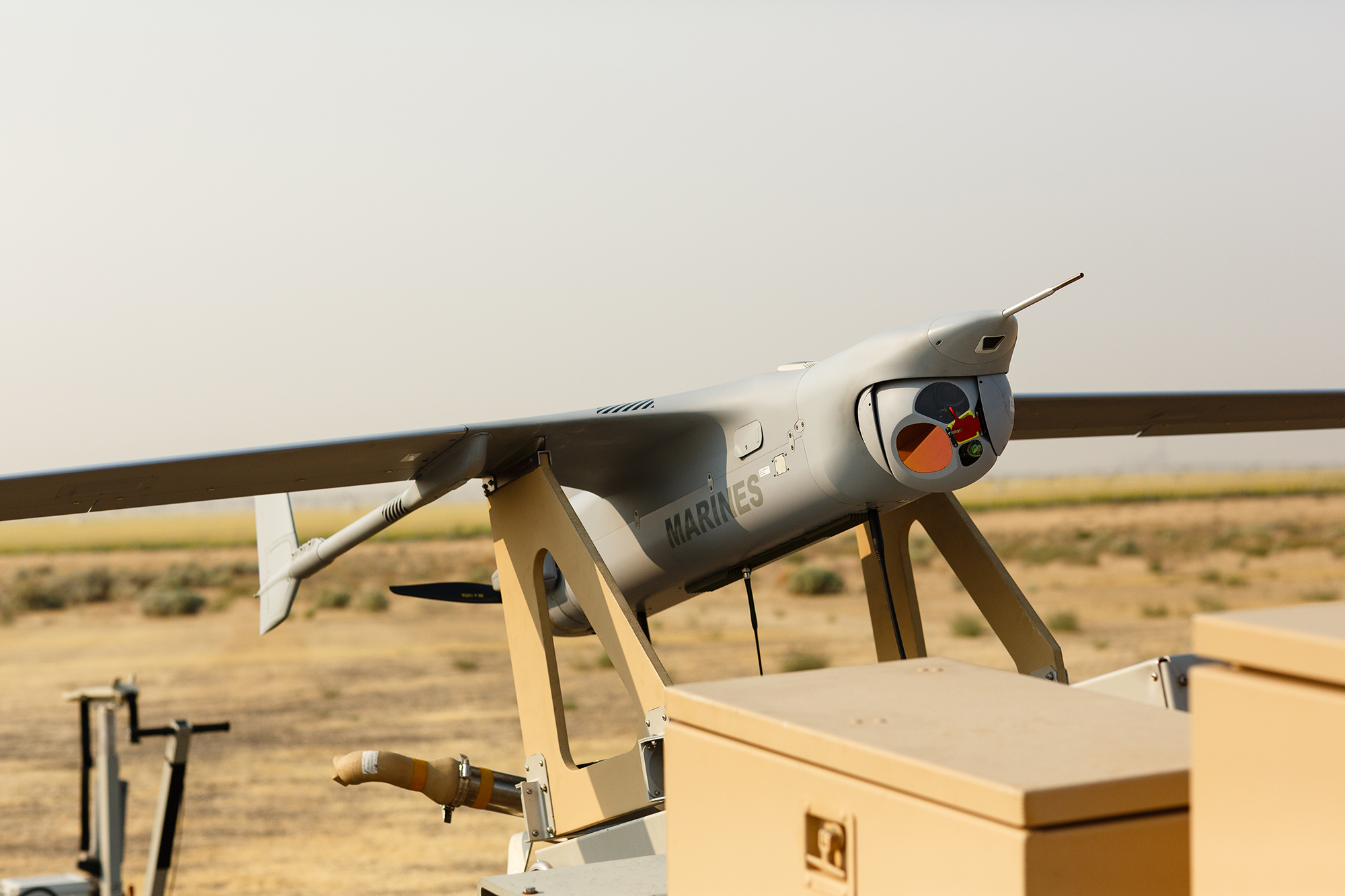
ScanEagle has a wingspan of about 3.1 m and a length of 1.71 m, with a maximum take-off weight of roughly 28 kg and a payload capacity of about 8 kg. It is powered by a small heavy-fuel or gasoline piston engine driving a pusher propeller, giving an endurance of up to 18 hours, a maximum speed of about 80 knots (roughly 148 km/h) and a service ceiling of about 5,950 m (19,500 ft). Its datalink supports command and control and full-motion video out to more than 100 km from the ground control station. Field-swappable payloads allow the same airframe to carry electro-optical or infrared cameras, communications-relay equipment or other sensors depending on the mission.
Operational history
ScanEagle has been in continuous land and maritime service with U.S. and allied forces since 2004, and Insitu states the type has together accumulated more than 1.6 million flight hours. Confirmed military operators include the U.S. Navy and Marine Corps, the Royal Australian Navy, Canadian forces (operated under lease) and Brazil's navy, among other international customers. Beyond military use, a small number of ScanEagle airframes have also flown limited civil missions, including Arctic operations conducted for an oil and gas operator under U.S. Federal Aviation Administration authorisation.
Frequently asked questions
How long can ScanEagle stay in the air?
Insitu's current specification lists an endurance of up to 18 hours, depending on payload and fuel load.
How is ScanEagle launched and recovered?
It is normally launched from a pneumatic catapult and recovered using Insitu's rope-and-hook "Skyhook" system, avoiding the need for a runway.
Who makes ScanEagle?
ScanEagle is built by Insitu, a Boeing subsidiary headquartered in the United States.
Which forces operate ScanEagle?
Confirmed operators include the U.S. Navy and Marine Corps, the Royal Australian Navy, Canadian forces and Brazil's navy, among other international customers.
What is the range of ScanEagle's datalink?
Its command, control and video datalink extends to more than 100 km from the ground control station.
When did ScanEagle first fly?
It first flew in 2002 and has been in continuous operational service since 2004.