SnowGoose CQ-10
MMIST · Canada · also known as Snowgoose B, CQ-10A, CQ-10B · Updated
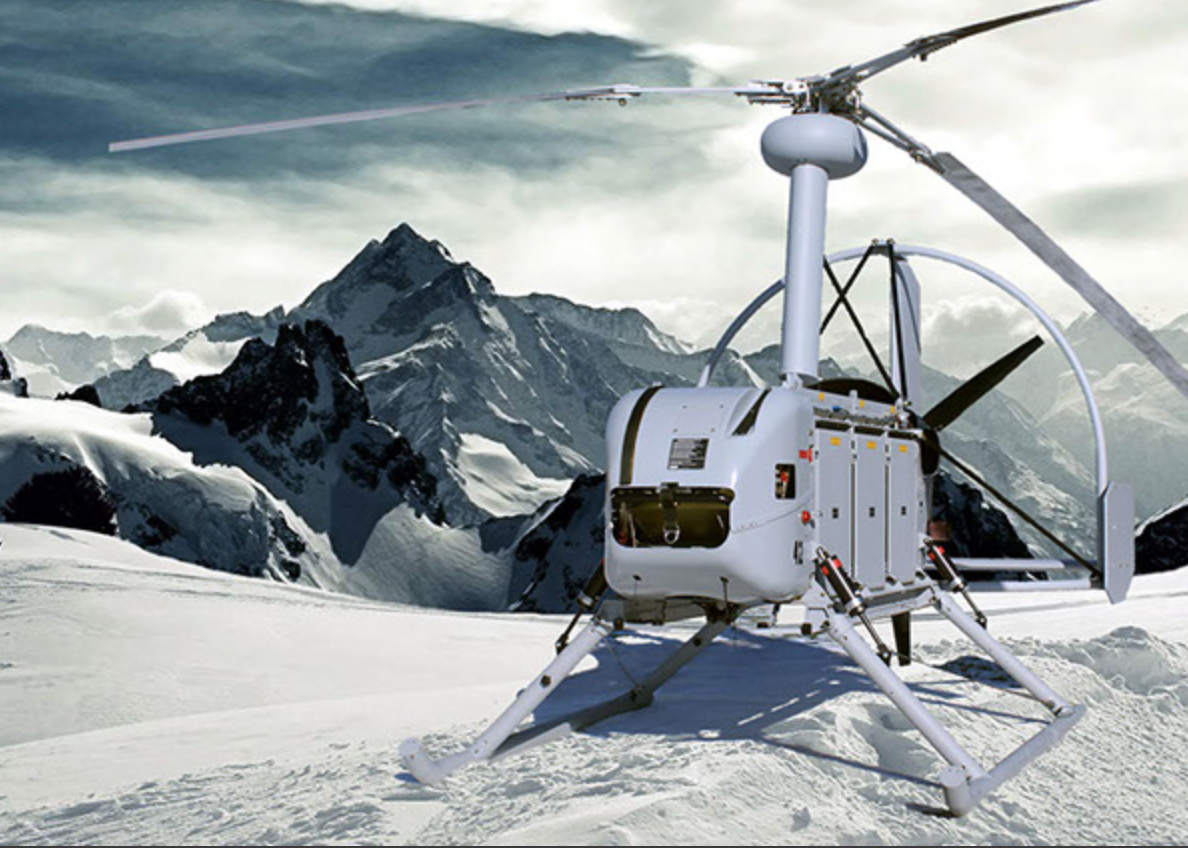
SnowGoose CQ-10 is an autonomous aerial cargo-delivery unmanned aircraft built by MMIST (Mist Mobility Integrated Systems Technology) of Canada, first flown in April 2001. It is designed to deliver supplies and modular payloads to special operations forces with precision, using MMIST's GPS-guided parafoil technology.
Overview
MMIST developed the SnowGoose using the same Sherpa GPS-guided parafoil system the company applies to its guided cargo parachutes, adapting it to a powered, reusable airframe. According to Wikipedia, the aircraft was originally conceived for leaflet dispensing in psychological-warfare missions before being developed into a resupply platform. The US Special Operations Command ordered five CQ-10As in 2003, and the type reached initial operating capability in 2005; fifteen CQ-10A airframes were built against an original requirement for at least 49. Canada's Canadian Forces tested the SnowGoose in 2007, though it is not confirmed as a fielded Canadian operator.
Design and capabilities
The CQ-10A variant is 2.9 m long with a 2.1 m wingspan, a gross weight of 635 kg (1,400 lb), and six modular cargo bays that together carry up to 261 kg (575 lb) of fuel, supplies, or sensor and communications-relay packages. It is powered by a single Rotax 914 UL piston engine producing 110 hp (82 kW), giving a top speed of 61 km/h (38 mph) and a service ceiling of 5,500 m (18,000 ft). Wikipedia gives an endurance of up to 19 hours unloaded, falling to 9–11 hours with a 200 lb (91 kg) cargo load, and a range of about 300 km (180 mi). The aircraft can be launched from a HMMWV or air-dropped from a C-130, C-141 or C-17 transport aircraft, and flies autonomously within approved airspace along a pre-programmed mission, monitored from a satellite-communications ground control station.
A second variant, the CQ-10B, replaces the parafoil with an autogyro rotor for vertical/short take-off and landing and is described as having roughly twice the CQ-10A's range; Wikipedia flags this variant's detailed specifications, including a vendor-quoted 1,088 kg (2,400 lb) payload carried up to 150 km per day, as unverified.
Operational history
US Special Operations Command is the SnowGoose's primary operator, having ordered the type in 2003 and reached initial operating capability in 2005. Wikipedia's account does not report further operational deployments beyond the initial fielding and the 2007 Canadian Forces trial.
Variants
CQ-10A: the parafoil-landing version that reached US Special Operations Command service. CQ-10B: an autogyro-rotor version intended for vertical/short take-off and landing with extended range; its performance claims are not independently confirmed.
Frequently asked questions
What is the range of the SnowGoose CQ-10?
About 300 km (180 mi) for the CQ-10A, according to Wikipedia; the CQ-10B is claimed to have roughly twice that range, though this figure is unverified.
How much cargo can the SnowGoose CQ-10 carry?
Up to 261 kg (575 lb) across six modular cargo bays on the CQ-10A, per Wikipedia.
Who uses the SnowGoose CQ-10?
US Special Operations Command, which ordered the type in 2003 and reached initial operating capability in 2005.
How does the SnowGoose CQ-10 land?
The CQ-10A descends and lands under a GPS-guided parafoil; the CQ-10B variant instead uses an autogyro rotor for near-vertical landings.
What was the SnowGoose CQ-10 originally designed for?
Leaflet dispensing in psychological-warfare operations, before MMIST developed it into a cargo-resupply platform, according to Wikipedia.