Ravn X
Aevum · United States · Space · also known as RavnX · Updated
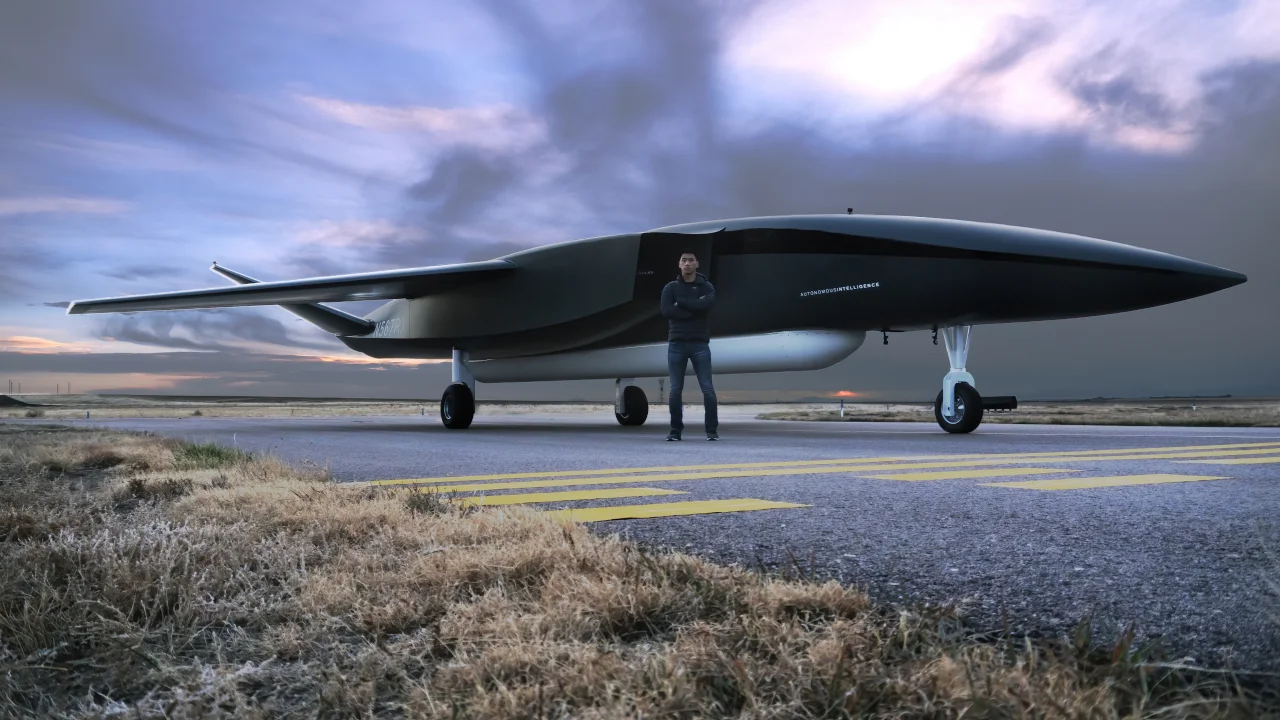
Ravn X is an autonomous, runway-launched carrier aircraft developed by Aevum of Huntsville, Alabama, designed to carry small-satellite rockets to altitude as the reusable first stage of an orbital launch system. Aevum unveiled it on 3 December 2020 at Cecil Airport in Jacksonville, Florida; as of its most recent public appearance in September 2026, the aircraft has completed ground taxi tests but has not yet flown.
Overview
Aevum, founded in 2016 by Jay Skylus, designed Ravn X to fly a two-stage rocket, carried in a semi-recessed position under its fuselage, to altitude before releasing it for orbital insertion, then returning to land and taxi back into its hangar autonomously. The company says the concept needs no dedicated launch pad, drawing instead on standard runways at least a mile long, and that a maximum of six ground personnel are needed to prepare and launch the vehicle. The US Air Force contracted Aevum in 2019 to fly a cubesat mission, ASLON-45, which as of 2026 had not taken place. Independent reporting at the 2020 unveiling questioned the ambition of Aevum's timeline against the state of the hardware shown, and that caution proved warranted: the company's original target of a first orbital mission in late 2021 passed without a flight, and by September 2026, when Ravn X rolled out of a hangar at Long Beach Airport for its first public taxi tests, more than five years had passed since the unveiling with still no flight to orbit.
Design and capabilities
Ravn X is 80 ft (24.4 m) long with a 60 ft (18.3 m) wingspan and an 18 ft (5.5 m) tail height, with a gross take-off weight, including its rocket payload, of 55,000 lb (about 24,950 kg). Aevum quotes a maximum speed of 575 mph (925 km/h) and a release altitude of 60,000 ft (18,288 m) for the rocket stages, which are intended to deliver payloads of up to 100 kg to low Earth orbit. Two afterburning turbofan engines burning standard Jet A fuel power the aircraft itself; the rocket stages use a separate liquid-oxygen-fuelled engine. Aevum describes the system as the only small launch vehicle built from the outset to be reusable, targeting 70 percent reusability at introduction and up to 95 percent later, with the carrier aircraft designed to land and taxi back into an approximately 8,000 sq ft hangar between flights.
Programme status
Aevum unveiled Ravn X on 3 December 2020 and originally targeted a first orbital launch, under a US Air Force contract for the ASLON-45 cubesat mission, in late 2021. That date passed without a flight, and Aevum made little public update on the programme for several years. On 6 September 2026, Ravn X rolled out of a hangar at Long Beach Airport, California, and completed its first publicly witnessed autonomous taxi tests; it had still not flown as of that date, and Aevum had not announced a new target date for a first flight or orbital launch.
Frequently asked questions
Has Ravn X flown yet?
No. As of its September 2026 appearance at Long Beach Airport, it had completed autonomous taxi tests but had not flown.
What was Ravn X originally supposed to do?
Fly the US Air Force's ASLON-45 cubesat mission to orbit, originally targeted for late 2021 under a 2019 contract; that mission had not taken place as of 2026.
How big is Ravn X?
80 ft (24.4 m) long with a 60 ft (18.3 m) wingspan and a gross take-off weight of about 55,000 lb (24,950 kg) including its rocket payload.
How does Ravn X launch satellites?
It carries a two-stage rocket under its fuselage to a release altitude of about 60,000 ft, then returns to land on a runway and taxi back into its hangar, intended to be reused for another flight.
Who builds Ravn X?
Aevum, a company founded in 2016 by Jay Skylus and headquartered in Huntsville, Alabama.