Longtail Dual
A2Z Drone Delivery · United States · also known as A2Z Longtail Dual, Longtail Dual Cargo, Longtail Dual Patrol · Updated
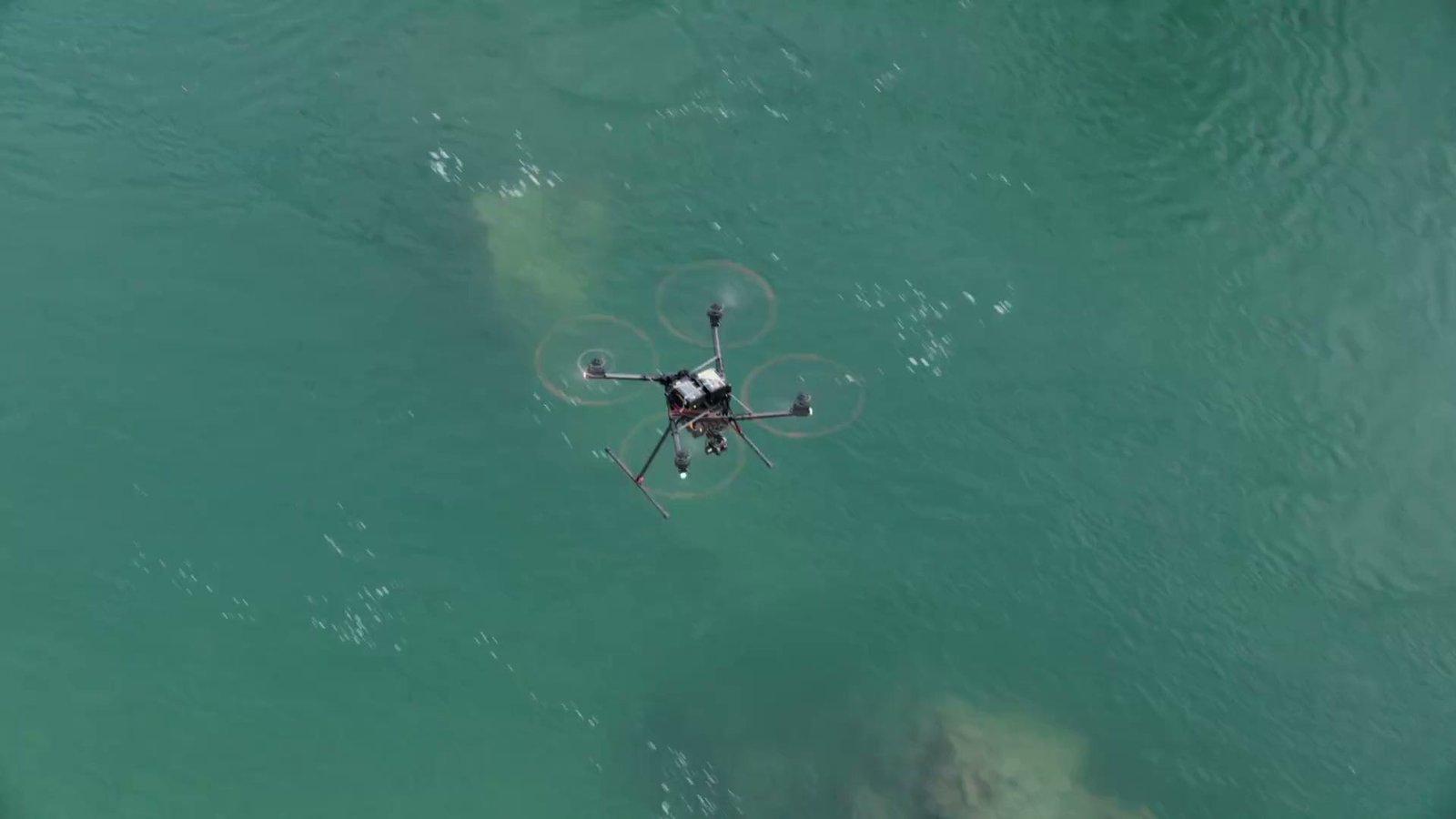
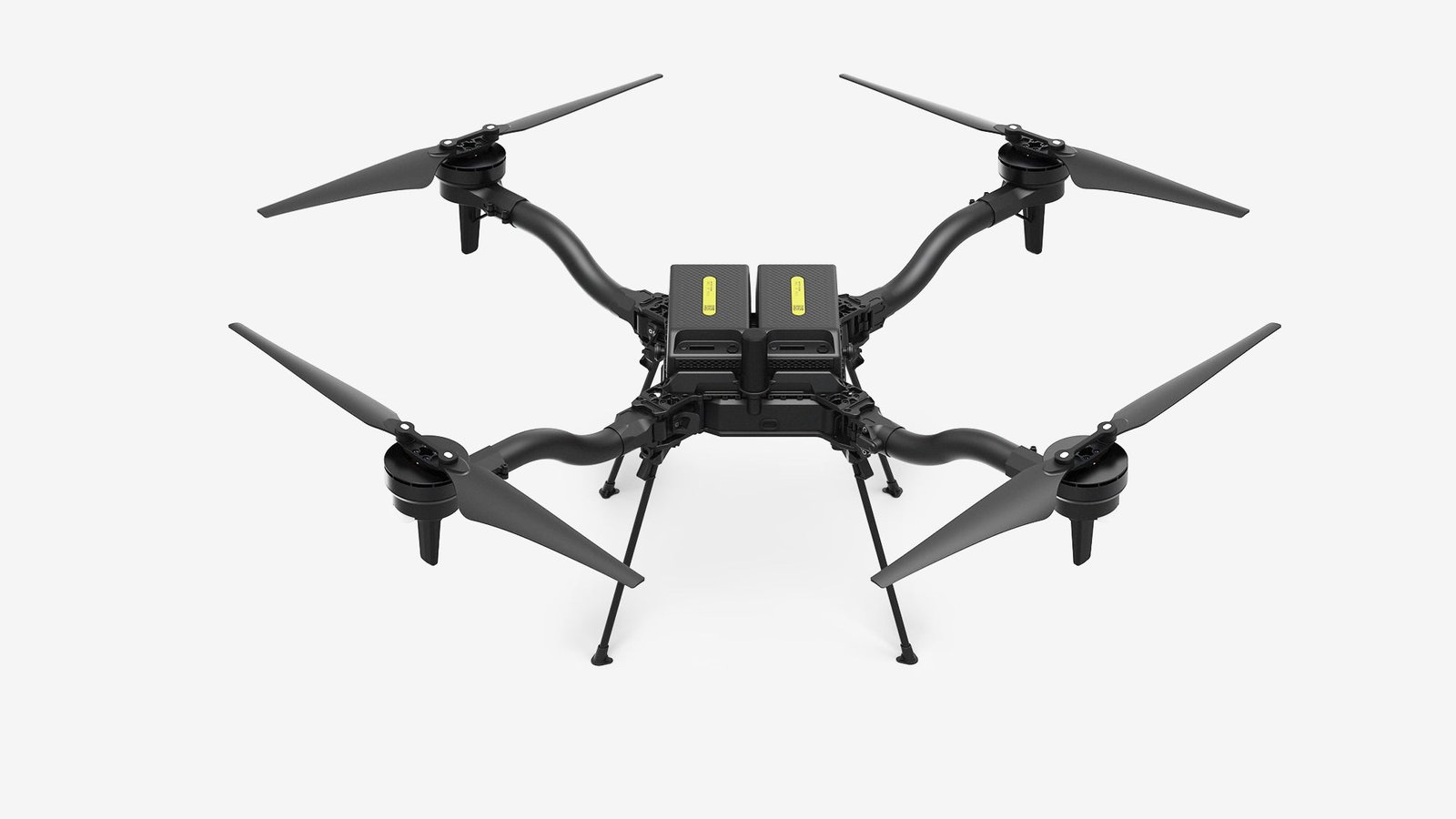
Longtail Dual is a dual-battery electric hexacopter developed by A2Z Drone Delivery of the United States, launched on 31 August 2026 in Cargo and Patrol configurations for beyond-visual-line-of-sight (BVLOS) commercial operations. It succeeds the single-battery A2Z Longtail (RDST Longtail) and is designed to work with the maker's AirDock automated charging stations.
Overview
A2Z Drone Delivery, based in Torrance, California, builds BVLOS delivery and patrol aircraft alongside automated ground infrastructure. The Longtail Dual is the company's current flagship aircraft, adding a second battery pack to the existing Longtail hexacopter airframe. According to the company, the redesign trades a small amount of payload capacity for the ability to keep flying and remain fully controllable if one battery fails, and to recharge faster when docked.
The aircraft is offered in two configurations built on the same airframe: Cargo, aimed at package delivery and logistics, and Patrol, aimed at surveillance, security, emergency response and remote-site monitoring.
Design and capabilities
Longtail Dual is a six-rotor (hexacopter) aircraft with CAN-bus motors that report real-time performance and service-cycle data, and the airframe is designed to keep flying safely after a single motor failure. Its two battery packs include cell temperature monitoring, cycle tracking, built-in cell balancing and onboard heating for cold-weather operation, plus an automated standby mode to reduce power draw between missions. When docked on an A2Z AirDock charging station, the aircraft recharges at up to a one-to-one ratio of charge time to flight time, which A2Z says shortens the turnaround between missions. The airframe carries IPX4 weather resistance, an onboard strobe light, a dual-redundant cellular link with automatic provider switching, and an optional parachute and ADS-B In module.
The Cargo configuration uses the A2Z RDS2 drone winch to lower and release packages without landing, giving a maximum payload of 11 lb (5 kg), or 5.84 lb (2.65 kg) with the optional parachute fitted, while staying under the common 55 lb commercial UAV maximum take-off weight; it also carries a downward-facing LiDAR for winch delivery and dual fixed FPV cameras. The Patrol configuration instead carries a quad-sensor gimbal — a 48MP RGB camera with 11x optical zoom, a 48MP wide-angle camera, a 1,200 m laser rangefinder and a 640×512 thermal sensor — plus a high-power spotlight and megaphone, for a stated mission range of up to 12 miles (19 km).
Use cases
A2Z positions the Cargo configuration for last-mile package delivery and logistics operators, and the Patrol configuration for public-safety, drone-as-first-responder, infrastructure-inspection and security customers that need an aircraft able to loiter, see at night and communicate from the air. Both configurations are designed to operate from A2Z's AirDock stations, which the company says support up to four aircraft per dock with no moving parts, for higher-frequency autonomous missions with limited on-site staff.
Frequently asked questions
What is the Longtail Dual's payload capacity?
In the Cargo configuration it carries up to 11 lb (5 kg) using the A2Z RDS2 winch, or 5.84 lb (2.65 kg) with the optional parachute fitted.
What is the range of the Longtail Dual?
A2Z states a mission range of up to 12 miles (19 km) for the Patrol configuration; it has not published a separate maximum range for the Cargo configuration.
Why does it have two batteries?
A2Z says the dual-battery design lets the aircraft stay fully controllable if one battery fails, and recharges faster — up to a one-to-one ratio of charge time to flight time — when docked on an AirDock station.
What is the difference between the Cargo and Patrol versions?
Cargo carries A2Z's RDS2 winch for package delivery without landing; Patrol instead carries a multi-sensor camera gimbal, spotlight and megaphone for surveillance, security and emergency-response missions.