Astro Max
Freefly Systems · United States · also known as Freefly Astro Max · Updated
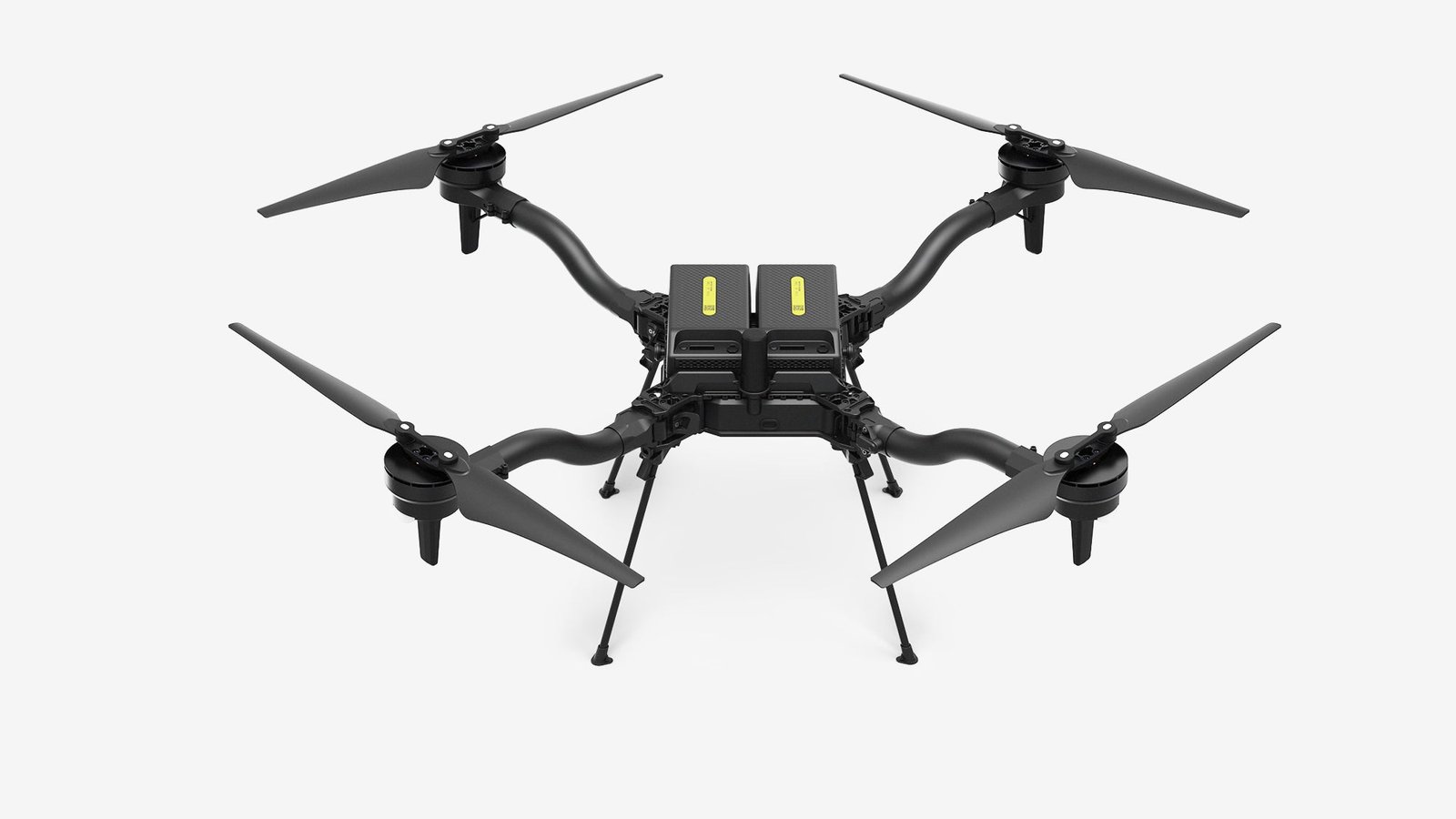
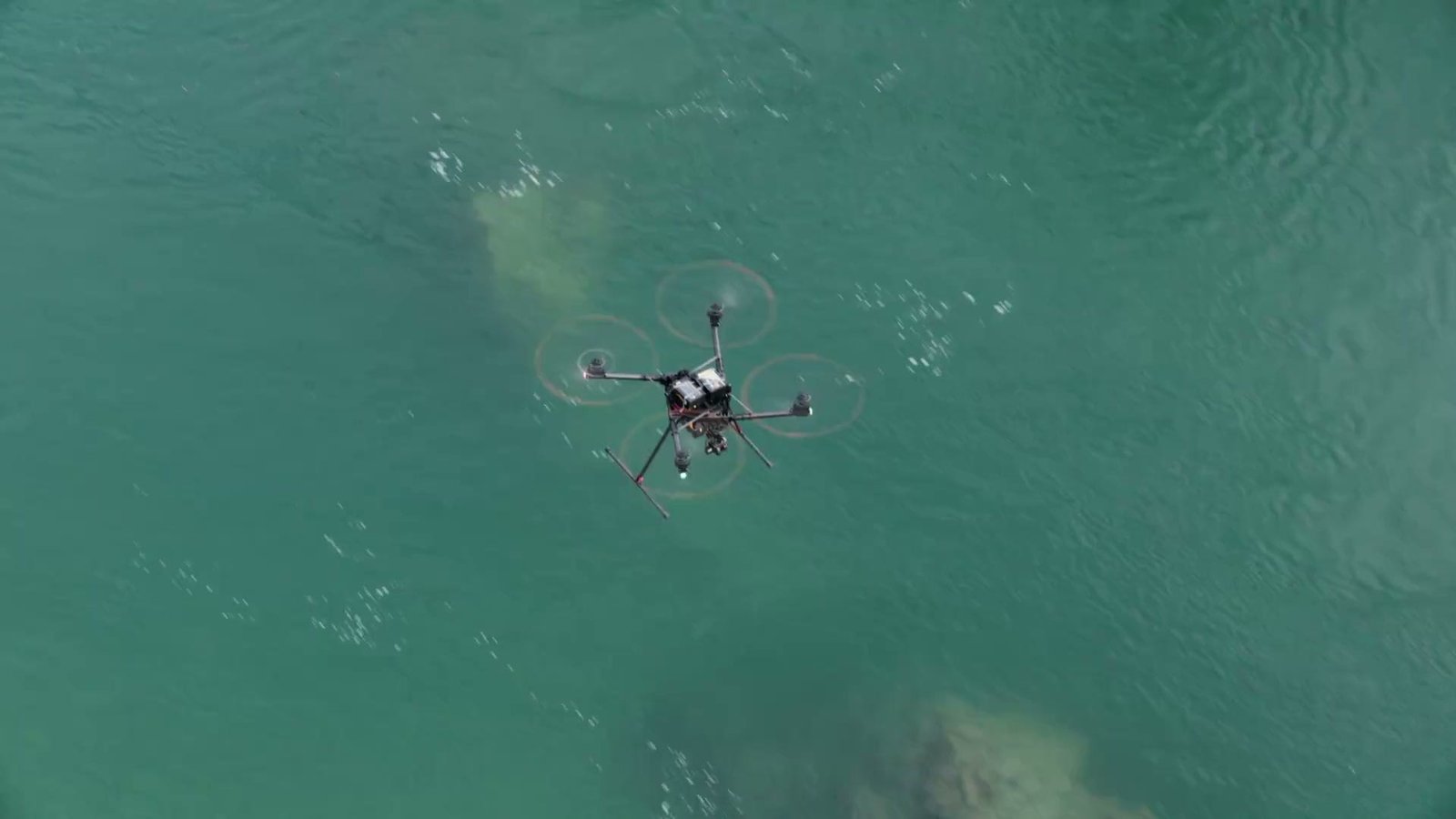
Astro Max is an industrial quadcopter built by Freefly Systems of Woodinville, Washington, sold as a heavier-lift version of the company's existing Astro airframe. It carries up to 3 kg of payload on a maximum take-off weight of 8.7 kg, aimed at infrastructure inspection, LiDAR mapping and other commercial missions that need more lift than a standard enterprise drone.
Overview
Freefly built the original Astro as a general-purpose industrial platform, and the Astro Max doubles its predecessor's payload capacity with a stated 60 percent increase in thrust, according to the company. It is designed around Freefly's Smart Dovetail payload interface, a Pixhawk Payload Bus-compatible connector carrying power, MAVLink, ethernet, serial and hardpoint lines, which lets operators swap between more than a dozen compatible sensors across Freefly's drone line without rewiring each payload. Freefly says the broader Astro platform has flown over 100,000 commercial missions.
The aircraft ships with a Freefly-designed Skynode flight controller running Auterion Enterprise PX4 and supports L1/L2 GPS, GLONASS, Beidou and Galileo satellite positioning. A standard kit is not NDAA-compliant, but Freefly sells a separate NDAA-compliant and Blue UAS-listed version for government and defense-adjacent customers who require hardware cleared of restricted components, including a Herelink radio variant built to meet those same standards.
Design and capabilities
Astro Max measures 930 mm across the unfolded frame (1,407 mm across the propeller tips) and 359 mm tall unfolded, folding down to a 508 mm diameter and 178 mm height for transport. Standard empty weight is 3,523 g, and maximum take-off weight is rated at 8,700 g, depending on altitude. Four Freefly 7010 motors deliver 350 W continuous and 600 W peak power each, drawing from Freefly Super Light SL8-Air batteries (157 Wh, 21.6 V nominal, 1,035 g each). Freefly quotes a maximum flight time of 39 minutes without payload. The airframe uses folding 22 × 7.0-inch carbon-fibre propellers, is rated to IP43 ingress protection, and is specified to operate from -20°C to 50°C.
Use cases
Freefly positions the Astro Max for infrastructure inspection and mapping, thermal imaging and emergency response, LiDAR scanning in GPS-denied environments, wildland fire operations, and agricultural and environmental monitoring with multispectral payloads. The Smart Dovetail connector and Freefly's wider payload ecosystem are intended to let a single airframe serve several of these missions by swapping sensors rather than buying a dedicated aircraft for each.
Frequently asked questions
How much does the Freefly Astro Max cost?
The standard kit is listed at US$22,995 on Freefly's store; an NDAA-compliant/Blue UAS version is sold separately.
How much payload can the Astro Max carry?
Up to 3,000 g (3 kg), on a maximum take-off weight of 8,700 g.
How long does the Astro Max fly?
Freefly quotes up to 39 minutes of flight time without payload.
Is the Astro Max NDAA-compliant?
Not in its standard configuration. Freefly sells a separate NDAA-compliant and Blue UAS-listed version for customers who require it.
What payloads does the Astro Max support?
It uses Freefly's Smart Dovetail connector, a Pixhawk Payload Bus-compatible interface supporting more than a dozen compatible sensors across Freefly's drone ecosystem, including LiDAR, thermal and multispectral cameras.