IA-17 Manta
IDS · Italy · also known as IA-17 · Updated

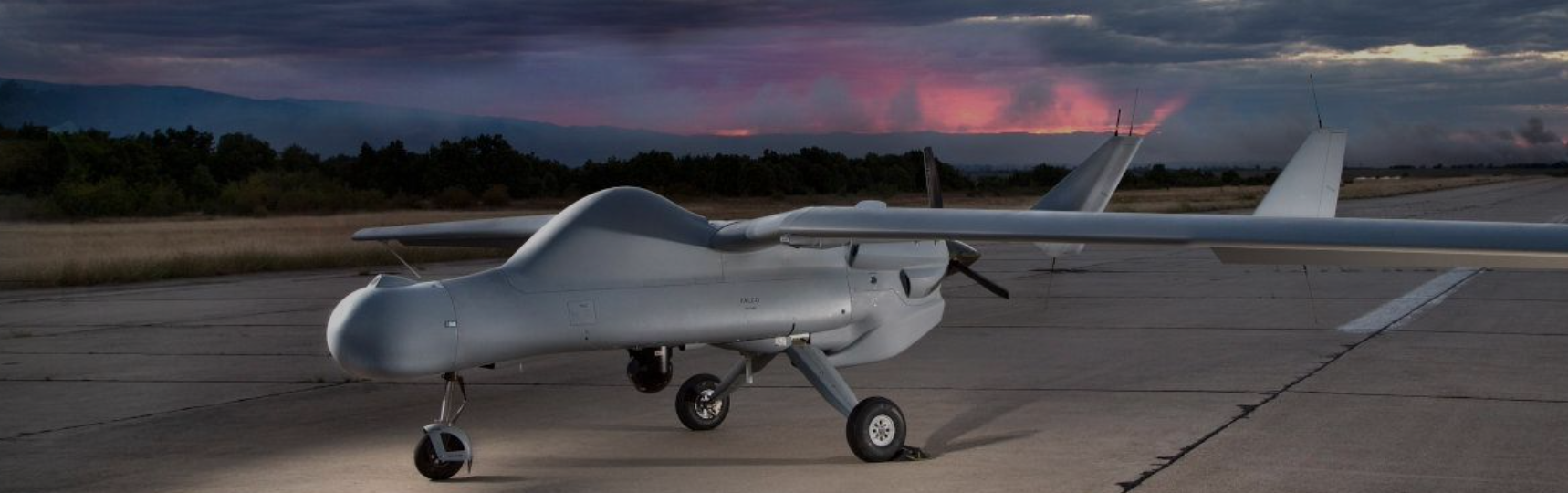
IA-17 Manta is a small fixed-wing unmanned aircraft system (UAS) developed by IDS of Italy for patrol, surveillance, aerial observation and reconnaissance. IDS markets it, under the model name IA-17, as a close-range tactical UAS for both defence and civil customers.
Overview
IDS, the Pisa-based engineering group now part of Fincantieri NexTech, builds the IA-17 as part of its unmanned-systems line alongside the smaller IA-3 Colibrì micro-UAV. The manufacturer positions the IA-17 for applications beyond military reconnaissance, including pipeline, power-line and power-plant inspection, environmental and precision-agriculture surveys, aerial mapping and photogrammetry, and law-enforcement tasks such as aerial investigation and crowd monitoring.
Design and capabilities
The airframe is 1.27 metres long with a 2.8-metre wingspan and a maximum take-off weight of 27.5 kilograms, carrying a payload of up to 2.5 kilograms; IDS builds the fuselage, wings and motor section from aramid and fibreglass composites as modular sections that can be swapped out for repair or scheduled maintenance. A two-stroke gasoline engine gives a maximum speed of 160 km/h and an endurance of more than 5 hours, with an operational ceiling of 4,500 metres. IDS states a line-of-sight mission radius of up to 80 km and a control and payload data-link range of up to 60 km.
The IA-17 launches from a catapult system that IDS says can be assembled or dismantled in 15 minutes or less, needs no external power, and can be commanded remotely; it operates in wet or sandy conditions and in winds up to 10 m/s. Recovery is by parachute, which IDS states allows landing on unprepared terrain and also serves as an emergency-landing option. The nose bay accepts interchangeable sensor payloads, including a gyro-stabilized pan/tilt/zoom electro-optical/infrared turret with a 15x-zoom daytime camera and a 4x thermal imager for night use, and a photogrammetry package built around a 100-megapixel full-frame camera with an integrated IMU and GPS for georeferencing. The aircraft can fly a pre-planned mission fully autonomously, with manual override available at any time, over an encrypted digital control link; its ground control station is STANAG 4586 compliant.
Use cases
IDS markets the IA-17 for patrol and reconnaissance, infrastructure monitoring and inspection (pipelines, power lines, power plants and hazardous areas), environmental and scientific surveys, precision agriculture, aerial mapping, and law-enforcement work such as aerial investigation, pre-operation assessment and crowd observation.
Frequently asked questions
How big is the IA-17 Manta?
It is 1.27 metres long with a 2.8-metre wingspan and a maximum take-off weight of 27.5 kilograms.
How long can it fly?
IDS states an endurance of more than 5 hours.
What is its range?
IDS gives a line-of-sight mission radius of up to 80 km and a control/payload data-link range of up to 60 km.
How is it launched and recovered?
It launches from a catapult system and recovers by parachute, allowing operation from unprepared sites.
What sensors does it carry?
A gyro-stabilized EO/IR turret as standard, with an optional 100-megapixel photogrammetry camera package.
Who makes the IA-17 Manta?
IDS of Pisa, Italy, which also builds the smaller IA-3 Colibrì micro-UAV.