MQ-9A "Reaper"
General Atomics · United States · also known as Reaper (MQ-9), Predator B · Updated
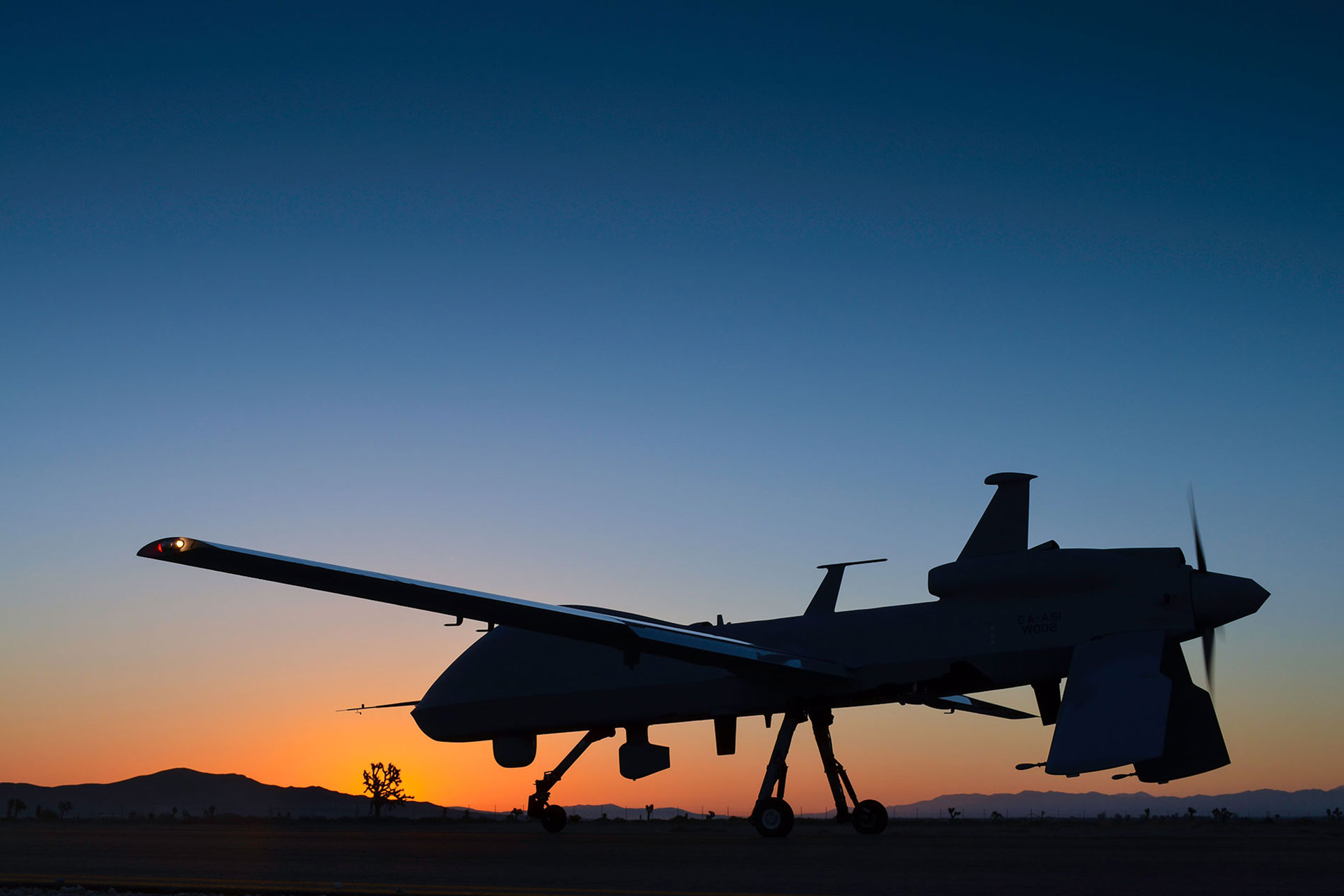
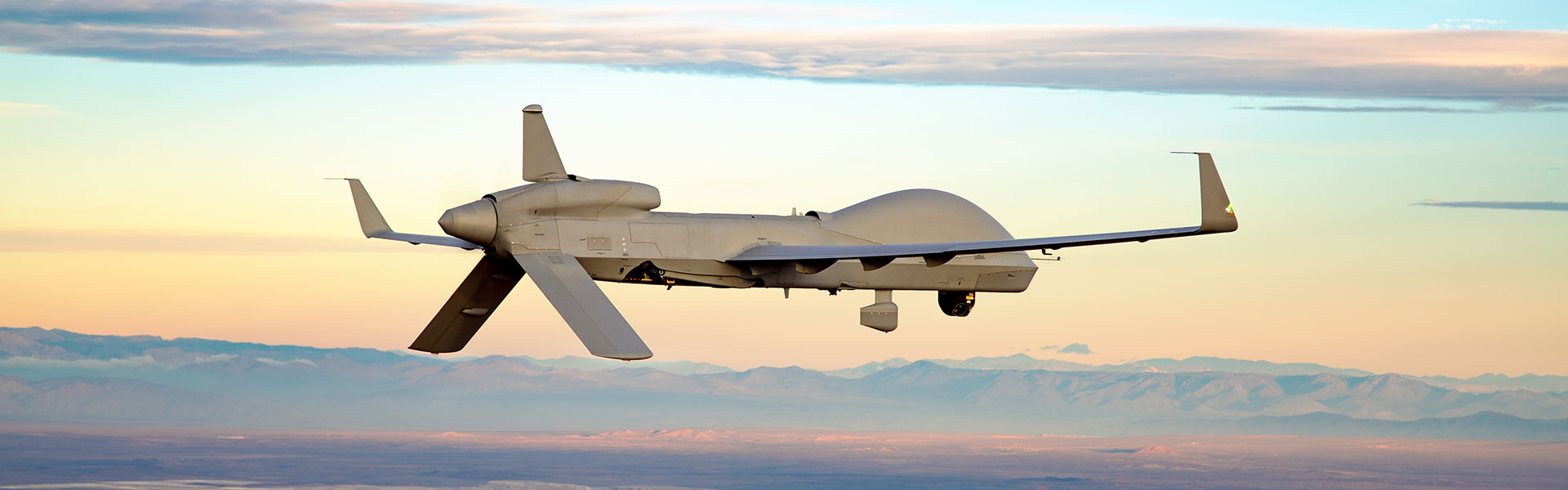
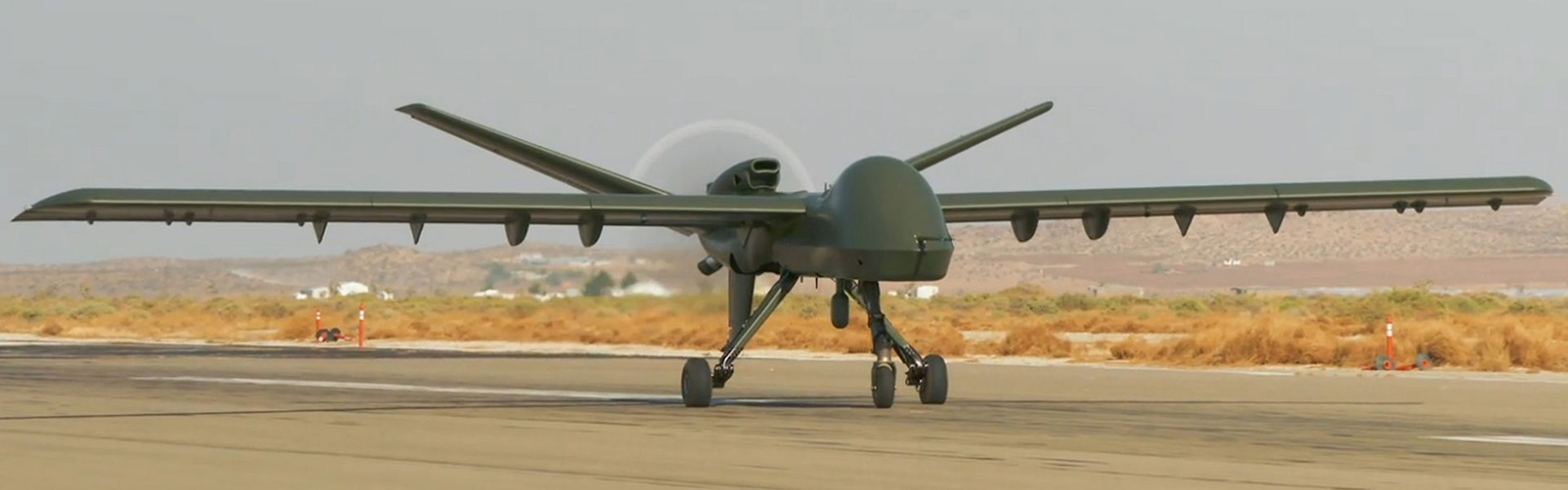
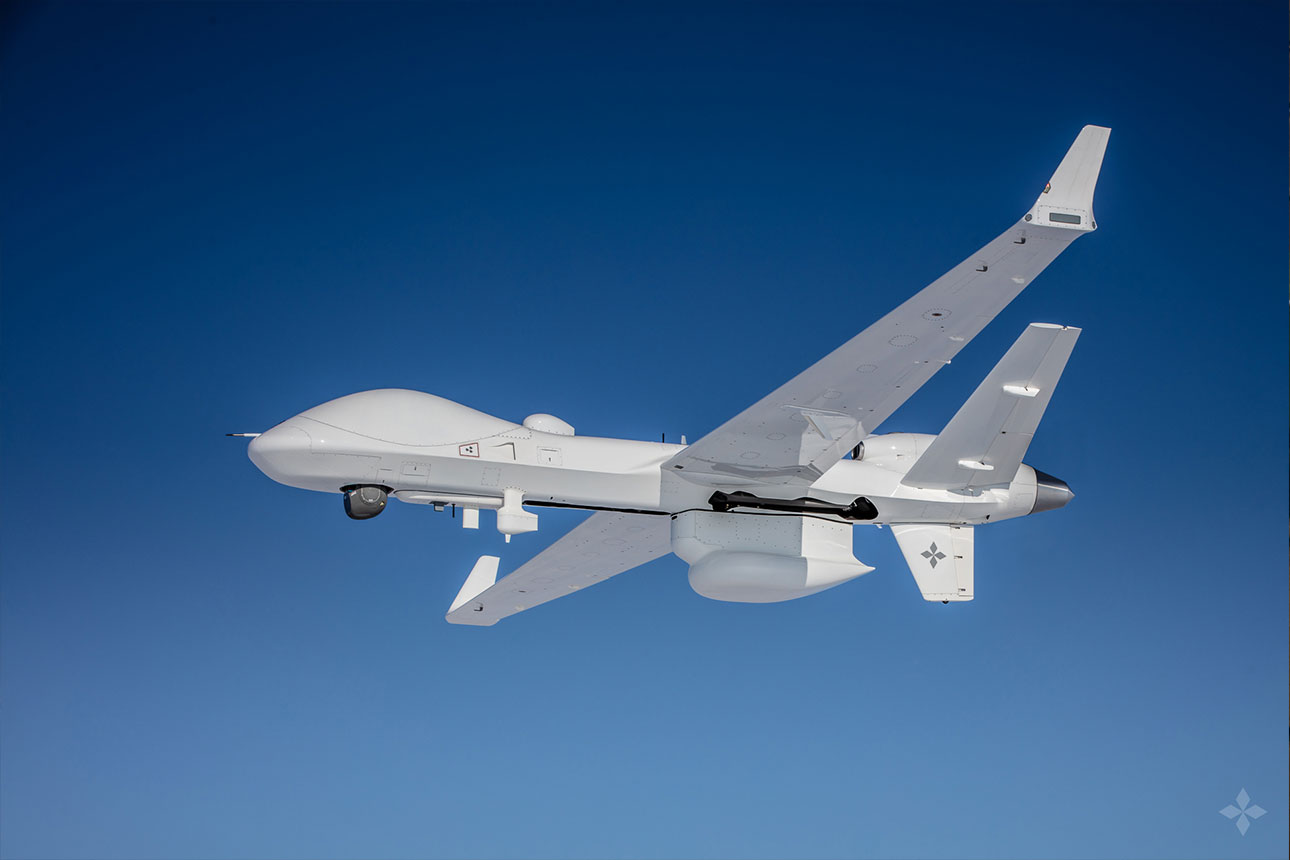
The MQ-9A "Reaper," also marketed by its manufacturer as Predator B, is a medium-altitude, long-endurance (MALE) unmanned aircraft developed by General Atomics Aeronautical Systems (GA-ASI) of the United States, first flown in 2001. It is a turboprop-powered evolution of the earlier MQ-1 Predator, built for long-endurance intelligence, surveillance and reconnaissance (ISR) and, in armed configurations, precision-strike missions.
Overview
GA-ASI self-funded the initial Predator B development, first flying the aircraft in February 2001 as a larger, faster and more capable successor to the piston-engined MQ-1 Predator. The U.S. Air Force designated the type "Reaper," and it reached initial operating capability in October 2007. The name has since become the common label for armed Predator B variants used by the U.S. Air Force and allied air arms.
The MQ-9A is a remotely piloted aircraft flown from a ground control station via satellite and line-of-sight data links, with a fault-tolerant flight control system and triple-redundant avionics architecture engineered to approach manned-aircraft reliability standards.
Design and capabilities
The aircraft has a wingspan of about 20.1 m and a length of 11 m, with a maximum take-off weight of roughly 4,760 kg and a total payload capacity of about 1,701 kg, split between internal and external stations. Power comes from a Honeywell TPE331-10GD turboprop rated at up to 900 shaft horsepower, giving an endurance of more than 27 hours in unarmed configurations, a cruise speed near 240 knots true airspeed (about 444 km/h maximum), and a service ceiling of roughly 15,240 m (50,000 ft). An Extended Range variant adds wing-mounted fuel pods and reinforced landing gear to push endurance beyond 30 hours.
Mission payloads include electro-optical/infrared sensors, synthetic-aperture radar, maritime surveillance radar and electronic-support-measures equipment, and the aircraft can carry a range of precision-guided munitions and other stores on its external hardpoints.
Operational history
The U.S. Air Force has operated the MQ-9A since it reached initial operating capability in 2007, flying it from bases supporting operations in the Middle East, North Africa and the wider Indo-Pacific region. Beyond the U.S. Air Force, the aircraft has been acquired by several allied air arms, and GA-ASI's own product materials list the Royal Air Force, the Italian Air Force, the French Air Force and the Spanish Air Force among its customers. The type continues to receive incremental hardware and software upgrades, and has served as the baseline for GA-ASI's later MQ-9B SkyGuardian and SeaGuardian family.
Frequently asked questions
What is the range of the MQ-9A Reaper?
Public sources put its ferry range at roughly 1,850 km, with an endurance of more than 27 hours limiting practical mission length more than fuel range does.
How fast is the MQ-9A Reaper?
GA-ASI lists a cruise speed of around 240 knots true airspeed, equivalent to roughly 444 km/h.
Who makes the MQ-9A Reaper?
It is built by General Atomics Aeronautical Systems, a U.S. manufacturer, as an evolution of its earlier MQ-1 Predator.
Which air forces operate the MQ-9A Reaper?
Confirmed operators include the U.S. Air Force, the Royal Air Force, the Italian Air Force, the French Air Force and the Spanish Air Force.
What is the payload capacity of the MQ-9A Reaper?
The aircraft has a maximum take-off weight of about 4,760 kg and can carry roughly 1,701 kg of payload across internal and external stations.
When did the MQ-9A Reaper enter service?
It first flew in 2001 and reached initial operating capability with the U.S. Air Force in October 2007.