Puma 3 AE
AeroVironment · United States · also known as RQ-20 Puma, RQ-20B Puma AE, Puma AE · Updated
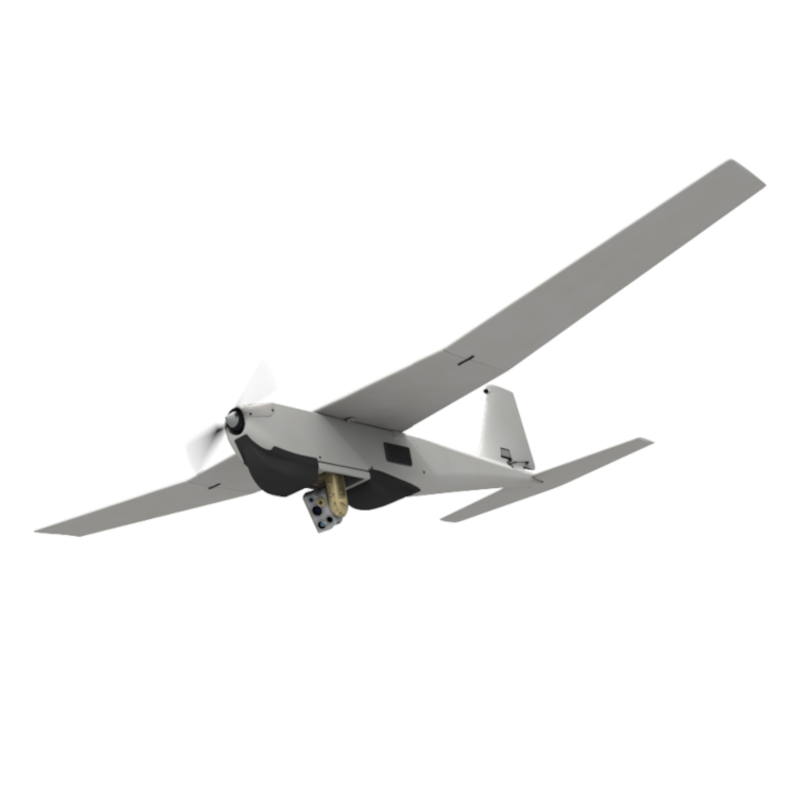
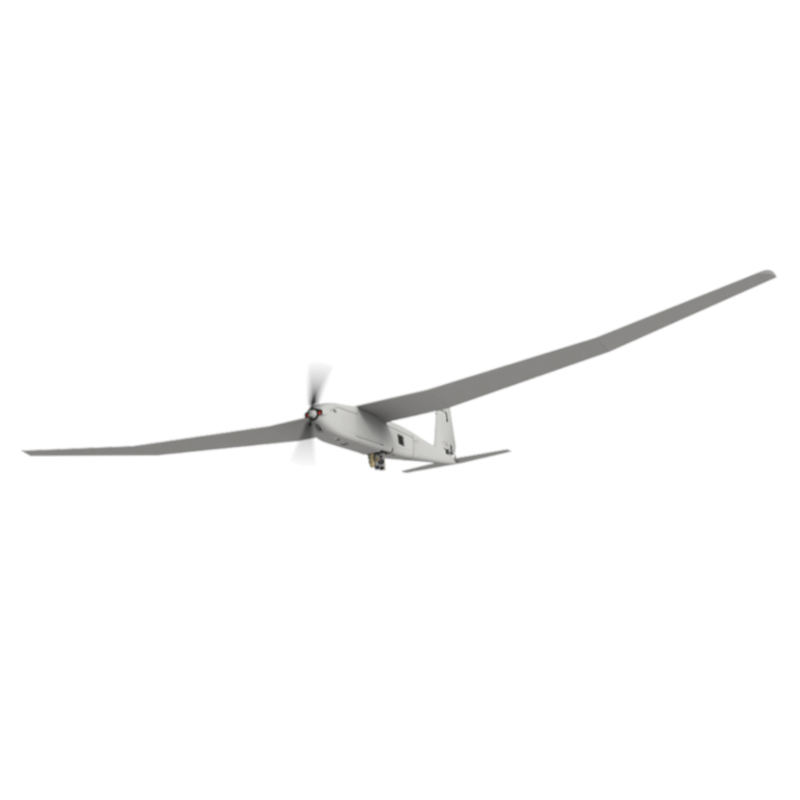
Puma 3 AE is a hand-launched, all-environment reconnaissance drone developed by AeroVironment of the United States, part of the RQ-20 Puma family that first flew in 2007 and entered service in 2008. Unlike most small tactical UAVs, Puma is built to land on water as well as ground, making it a common choice for maritime surveillance.
Overview
Puma scaled up AeroVironment's earlier Raven and Wasp designs into a larger, more capable "Group 2" small UAS for units needing longer range and heavier payloads than a Raven can carry, while still being man-portable and hand-launched. Over 1,000 Puma systems have been built; the US Army is the largest operator with more than 325 systems, alongside the Marine Corps, Navy and Air Force. Puma 3 AE, introduced as a system-level upgrade, adds the Mantis i45 electro-optical/infrared gimbal with a laser illuminator visible to night-vision goggles.
Design and capabilities
The aircraft is 1.4 m long with a 2.8 m wingspan and a maximum take-off weight of about 6.3 kg, launched by hand and recoverable on land or in water — a "deep stall" landing technique lets it settle gently rather than crash-land. It is electrically powered, reaches a maximum speed of about 83 km/h, and can operate in winds up to 25 knots and temperatures from −20 °F to 120 °F. Standard control range is about 20 km, extendable to roughly 60 km with a long-range tracking antenna (LRTA), and endurance is about 2.5 hours. Puma 3 AE shares ground control equipment and line-replaceable components with the smaller Puma LE, and can carry an optional under-wing transit bay for secondary payloads.
Operational history
Puma has been fielded by the US military since 2008 and became, in 2013, the first small UAV certified by the FAA for commercial use, followed in 2014 by the first FAA-authorised unmanned flight over land in Alaska for BP's Arctic oil-field surveys. More than 25 countries operate the Puma family, including the United Kingdom, France, Germany, Canada and Australia; Ukraine received Pumas as part of a US$300 million security-assistance package in 2022.
Frequently asked questions
What is the range of the Puma 3 AE?
About 20 km in standard configuration, extendable to roughly 60 km with a long-range tracking antenna, over a 2.5-hour endurance.
Can the Puma land on water?
Yes — Puma 3 AE is designed for water or ground recovery, which is why it is used for maritime as well as land-based surveillance.
How much does the Puma 3 AE weigh?
About 6.3 kg (13–15 lb), still light enough to be hand-launched.
Which countries operate the Puma?
More than 25, including the United States, United Kingdom, France, Germany, Canada, Australia and, since 2022, Ukraine.
Who makes the Puma 3 AE?
AeroVironment, which also builds the smaller Raven and Wasp small UAS and the Switchblade loitering munition.