Vector AI
Quantum Systems · Germany · also known as Vector™ AI · Updated
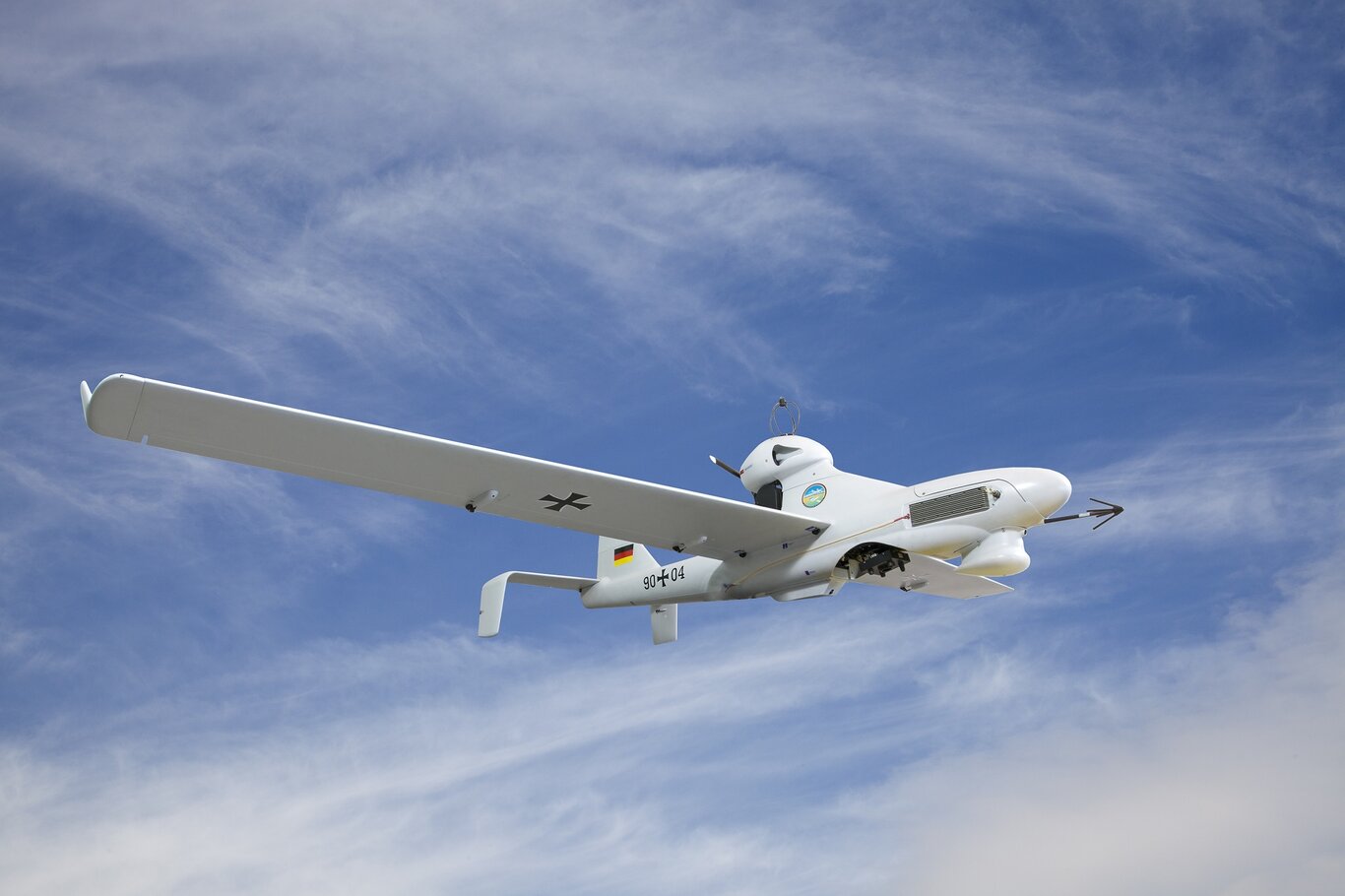
Vector AI is an electric vertical take-off and landing (eVTOL) tactical reconnaissance UAS developed by Quantum Systems of Gilching, Germany, unveiled in 2025 as a next-generation successor to the company's earlier Vector platform. It combines a fixed-wing cruise mode for long-endurance intelligence, surveillance and reconnaissance (ISR) with a separate multicopter configuration for agile flight from confined spaces.
Overview
Quantum Systems describes Vector AI as a "combat-proven platform" built on the lineage of its original Vector UAS, which the company developed in partnership with autopilot maker Auterion starting in 2020 and which Ukraine, Germany and other European militaries have operated in large numbers. Vector AI adds dual NVIDIA Jetson Orin onboard computers for AI-assisted object detection and tracking, visual-inertial odometry and SLAM navigation for GPS-denied environments, and a controlled reception pattern antenna (CRPA) to resist jamming. In April 2026 the US Army selected Vector AI for its Company-Level Small Unmanned Aircraft System Directed Requirement 2 programme, under an initial contract valued at US$15.3 million, following a competitive evaluation of aircraft performance, payload integration and interoperability with Army software systems.
Design and capabilities
In its fixed-wing configuration, Vector AI has a wingspan of 2.8 m and a length of 1.5 m, with a maximum take-off weight of 9.5 kg. Quantum Systems quotes a flight endurance of 180 or more minutes, a cruising/operating speed range of 15–20 m/s (about 54–72 km/h), a maximum take-off altitude above 3,000 m and a maximum operating altitude above 4,000 m. The aircraft is rated IP55 and tolerates winds up to 10 m/s on the ground and 12 m/s in flight. Its data link operates in the 2.2–4.9 GHz range with AES 256 encryption and a quoted range of more than 40 km. A separate multicopter configuration trades endurance for portability: a 1.37 m rotor span, 8 kg maximum take-off weight and 45 minutes of flight time, for reconnaissance from confined spaces or moving vehicles.
Quantum Systems says the modular, tool-free airframe can be set up and launched by a single operator in under three minutes. The standard sensor is a NextVision RAPTOR 360 with 40x optical and 2x digital zoom on its electro-optical channel and 8x digital zoom on its infrared channel, both at 1280 × 720 resolution. Additional modular payloads include signals-intelligence (SIGINT) packages, a CRPA anti-jamming module, an acoustic sensor, a tether kit for continuous-power persistent surveillance, and a drop-payload mechanism for releasing small items, including kinetic effects, from the multicopter configuration.
Operational history
Vector AI follows Quantum Systems' original Vector, which has been fielded by Ukraine, Germany, the Netherlands and other operators since 2020 and added to the US Department of Defense's Blue UAS list. The US Army's April 2026 selection of Vector AI for the Company-Level sUAS Directed Requirement 2 programme followed that operational track record with the earlier Vector family.
Frequently asked questions
What is the range of the Vector AI?
Quantum Systems quotes a data-link range of more than 40 km; flight endurance in fixed-wing mode is 180 or more minutes.
Who operates the Vector AI?
The US Army selected it in April 2026 for its Company-Level sUAS Directed Requirement 2 programme.
How is Vector AI different from the original Quantum Systems Vector?
Vector AI adds dual NVIDIA Jetson Orin processors for onboard AI object detection and tracking, VIO/SLAM navigation for GPS-denied areas, and CRPA anti-jamming, building on the earlier Vector's fixed-wing eVTOL airframe.
Does Vector AI fly as a multicopter or a fixed-wing aircraft?
Both. It is a 2-in-1 design: a multicopter configuration for agile reconnaissance from confined spaces (45-minute endurance) and a fixed-wing configuration for extended ISR missions (180-plus minute endurance).
How fast is the Vector AI?
Quantum Systems quotes a speed range of 15–20 m/s (about 54–72 km/h) in fixed-wing configuration.