Radian One
Radian Aerospace · United States · Space · Updated
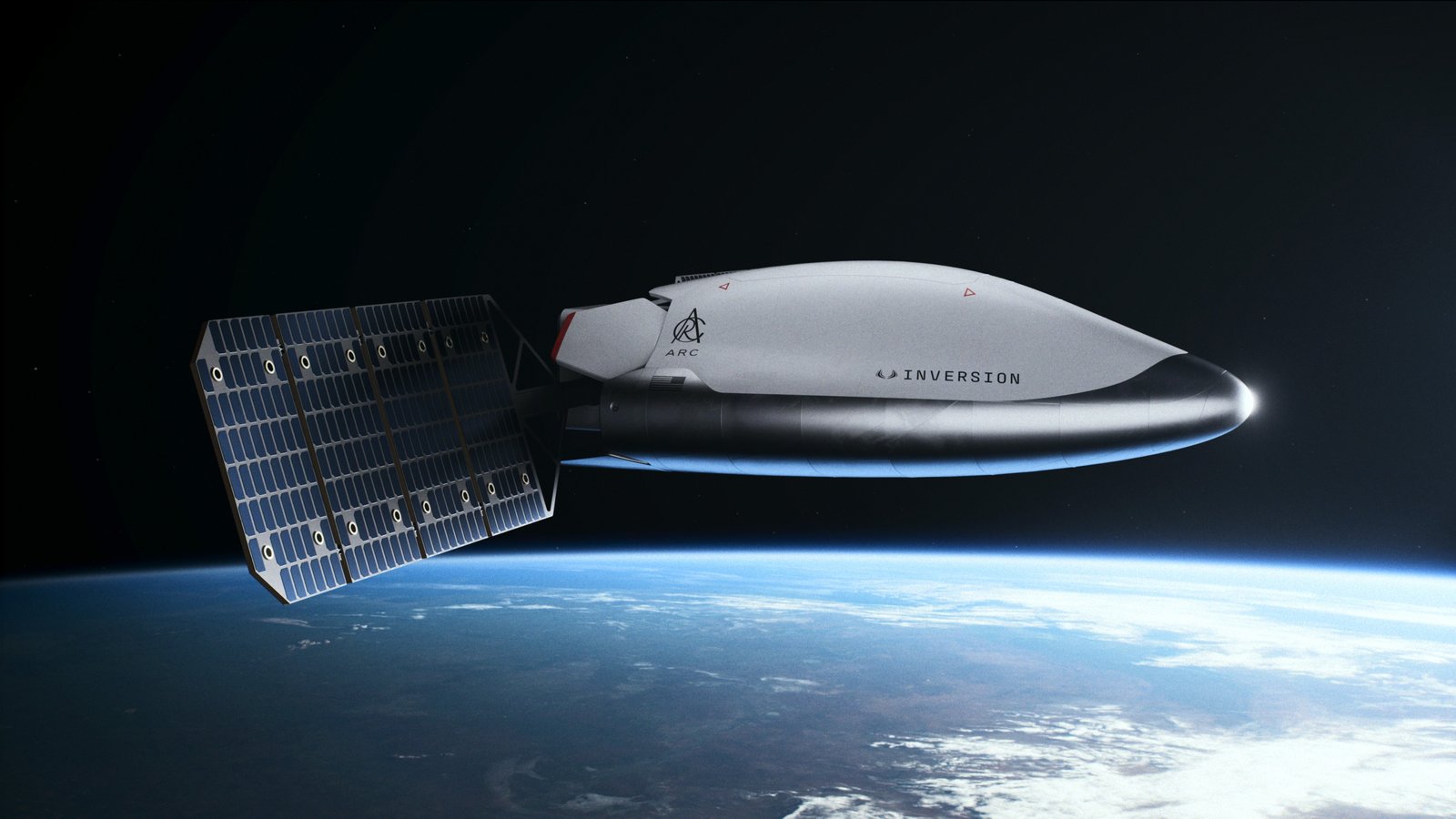
Radian One is a planned reusable spaceplane developed by Radian Aerospace of the United States, designed for horizontal takeoff and landing and single-stage-to-orbit flight without the staged, expendable boosters used by conventional rockets. It has not yet flown; the company is still developing and testing the vehicle.
Overview
Radian Aerospace designed Radian One to take off and land like an aircraft while still reaching orbit in one stage, eliminating the staging and booster recovery steps that conventional launch vehicles rely on. The company describes the vehicle as a "fully integrated" design that needs no separate boosters, and says it aims to turn the vehicle around and fly again within 48 hours of landing, an operating tempo closer to aviation than to traditional spaceflight.
Radian Aerospace publicly released its current Radian One design in April 2024. The company has said it holds launch agreements with government and commercial customers, though it has not named specific operators or missions, and the vehicle remains in development rather than regular service.
Design and capabilities
Radian One is a delta-wing, fixed-wing spaceplane intended to carry up to five crew members to low Earth orbit, according to Wikipedia. The company states the vehicle can carry up to 5,000 lb (about 2,268 kg) of payload to orbit and return as much as 10,000 lb (about 4,536 kg), figures that reflect the heavier allowance typically available on the way down compared with the way up on a reusable spacecraft. Radian Aerospace has not published the vehicle's dimensions or detailed propulsion specifications.
The company's launch concept uses a rocket-powered sled that accelerates the spaceplane before it separates and continues under its own power; Radian Aerospace has not disclosed further technical detail on the sled publicly. For landing, the company says Radian One is designed to use any runway of around 10,000 ft (roughly 3,000 m), avoiding the need for a dedicated spaceport.
Programme status
In September 2024, Radian Aerospace began ground and taxi tests of a subscale prototype flight vehicle, designated PFV01, as an early validation step ahead of a full-scale orbital vehicle. Wikipedia does not report a target date for Radian One's first flight to orbit. Radian Aerospace has separately described a smaller reusable reentry capsule intended to generate near-term revenue from hypersonic and spaceflight testing work while the spaceplane programme continues.
Use cases
Radian Aerospace has said it intends Radian One for research, space manufacturing, Earth observation and rapid point-to-point delivery, in addition to crewed orbital missions. As the vehicle has not yet flown, these remain planned applications rather than demonstrated operations.
Frequently asked questions
Has Radian One flown to orbit?
No. As of the most recent public reporting, Radian Aerospace has only tested a subscale prototype on the ground; the orbital vehicle has not flown.
How many people can Radian One carry?
Up to five crew members, according to Wikipedia.
How does Radian One reach orbit?
It is designed as a single-stage-to-orbit spaceplane, launched from a rocket-powered sled and reaching orbit without separate booster stages.
How does Radian One land?
Radian Aerospace says it lands horizontally on a conventional runway of about 10,000 ft (3,000 m), and is designed to fly again within 48 hours.
How much payload can it carry?
The company states up to 5,000 lb (about 2,268 kg) to orbit and up to 10,000 lb (about 4,536 kg) back to Earth.
Who makes Radian One?
Radian One is being developed by Radian Aerospace, a Seattle-based aerospace company founded in 2016.