SQUALL
Firestorm Labs · United States · also known as Firestorm Squall, Squall UAV, Squall FPV drone · Updated
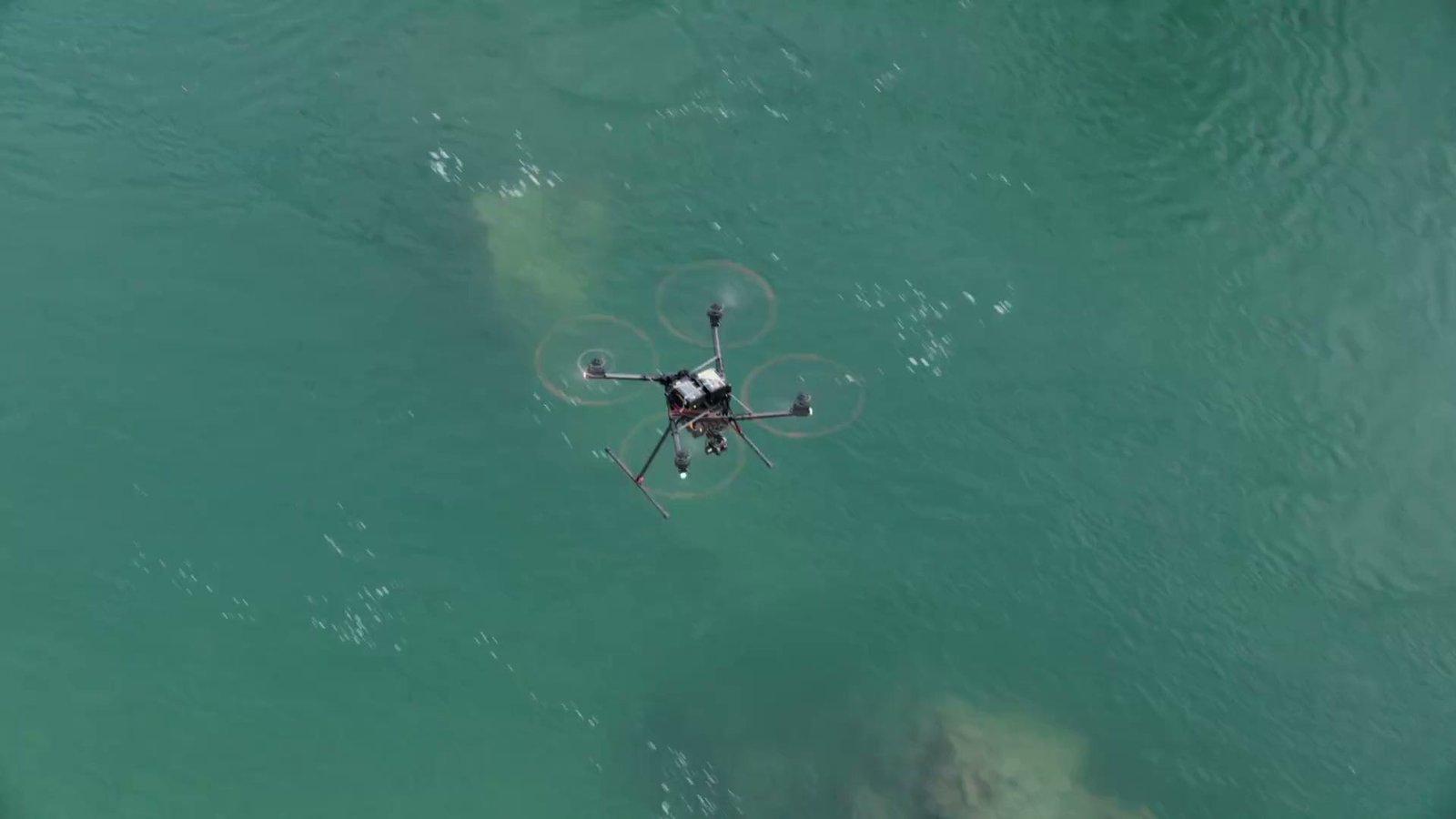
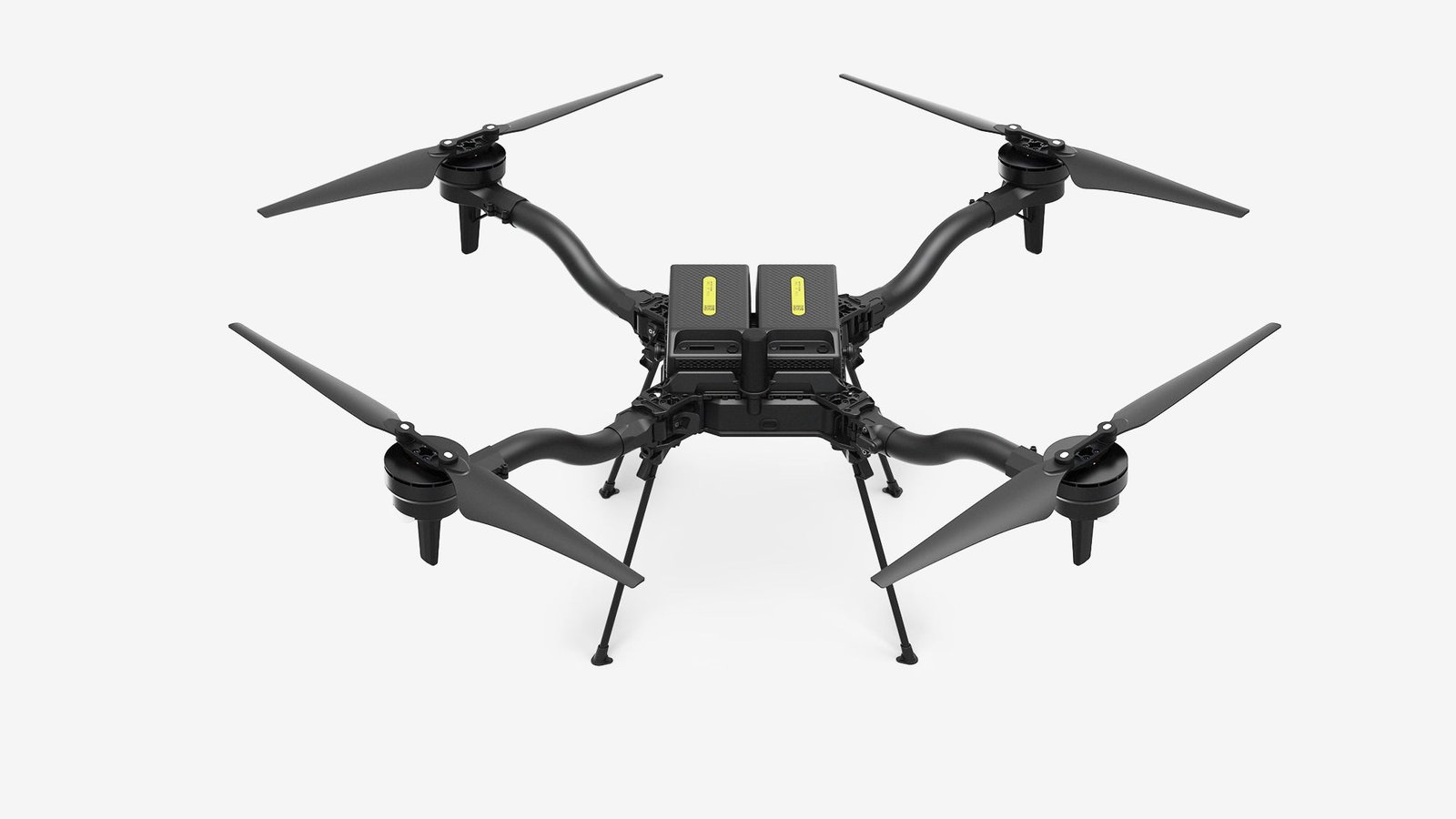
SQUALL is a compact, all-electric Group 1 first-person-view (FPV) quadcopter developed by Firestorm Labs of San Diego, California, built for ground-launched deployment and designed to be produced largely by 3D printing. Firestorm co-developed the aircraft with the Croatian FPV drone maker Orqa, and Marines and sailors assembled and flew a batch of Squalls aboard the amphibious assault ship USS Essex during the US Navy's RIMPAC 2026 exercise.
Overview
Firestorm Labs and Orqa announced their partnership on the Squall in February 2026, pairing Orqa's FPV airframe design — which DroneDJ reported had been proven in active conflict zones including Ukraine — with Firestorm's additive-manufacturing process. The companies describe the aircraft as a Group 1 FPV quadcopter built with NDAA-compliant components for US and allied militaries, intended to reduce reliance on foreign drone supply chains. Firestorm's own site lists the Squall alongside its larger Tempest UAS and its xCELL expeditionary manufacturing unit, which prints both aircraft.
The aircraft's most public appearance to date came in August 2026, when Firestorm's xCELL system was installed aboard USS Essex for its transit to the RIMPAC 2026 exercise in Hawaii. Defense News and DroneLife reported that, over roughly two weeks at sea — including conditions with waves up to 12 feet — the system printed more than 1,000 parts and the crew assembled twelve Squall drones on board, in addition to assorted ship repair parts. The Squalls were later flown as "red cell" adversary aircraft in a counter-drone exercise during RIMPAC, and the team continued printing and training Marines of the 3rd Light Armor Reconnaissance Battalion at Schofield Barracks on Oahu afterward.
Design and capabilities
Firestorm describes the Squall as "compact" and "all-electric," built for "ultra-fast, ground-launched deployment," with an airframe that is largely 3D-printable on the company's xCELL hardware rather than built from conventional supply chains. Neither Firestorm nor Orqa has published detailed dimensions, take-off weight, payload, speed or endurance figures for the aircraft; DroneDJ reported in February 2026 that neither company had released performance specifications or pricing.
Use cases
Firestorm and Orqa present the Squall as a frontline FPV platform for US and allied militaries, built to be producible without relying on components sourced from outside the United States. In its RIMPAC 2026 appearance it was used as an adversary ("red cell") aircraft to test counter-drone equipment, and as a demonstration of shipboard, at-sea drone manufacturing rather than as a fielded operational system.
Frequently asked questions
Who makes the Squall drone?
Firestorm Labs of San Diego, California, co-developed with the Croatian FPV drone maker Orqa, announced in February 2026.
What class of drone is the Squall?
A Group 1 first-person-view (FPV) quadcopter, built for ground-launched deployment.
Has the Squall been used by the US military?
Yes — the US Navy and Marine Corps printed and assembled twelve Squalls aboard USS Essex during RIMPAC 2026 and flew them as adversary aircraft in a counter-drone exercise, a demonstration rather than an operational fielding.
What are the Squall's specifications?
Firestorm and Orqa have not published dimensions, weight, payload, speed or endurance figures for the aircraft.
How is the Squall manufactured?
Largely by 3D printing on Firestorm's xCELL containerized manufacturing platform, which can be deployed to shore sites or aboard ships.