Tactical Firejet
Kratos Defense & Security Solutions · United States · Updated
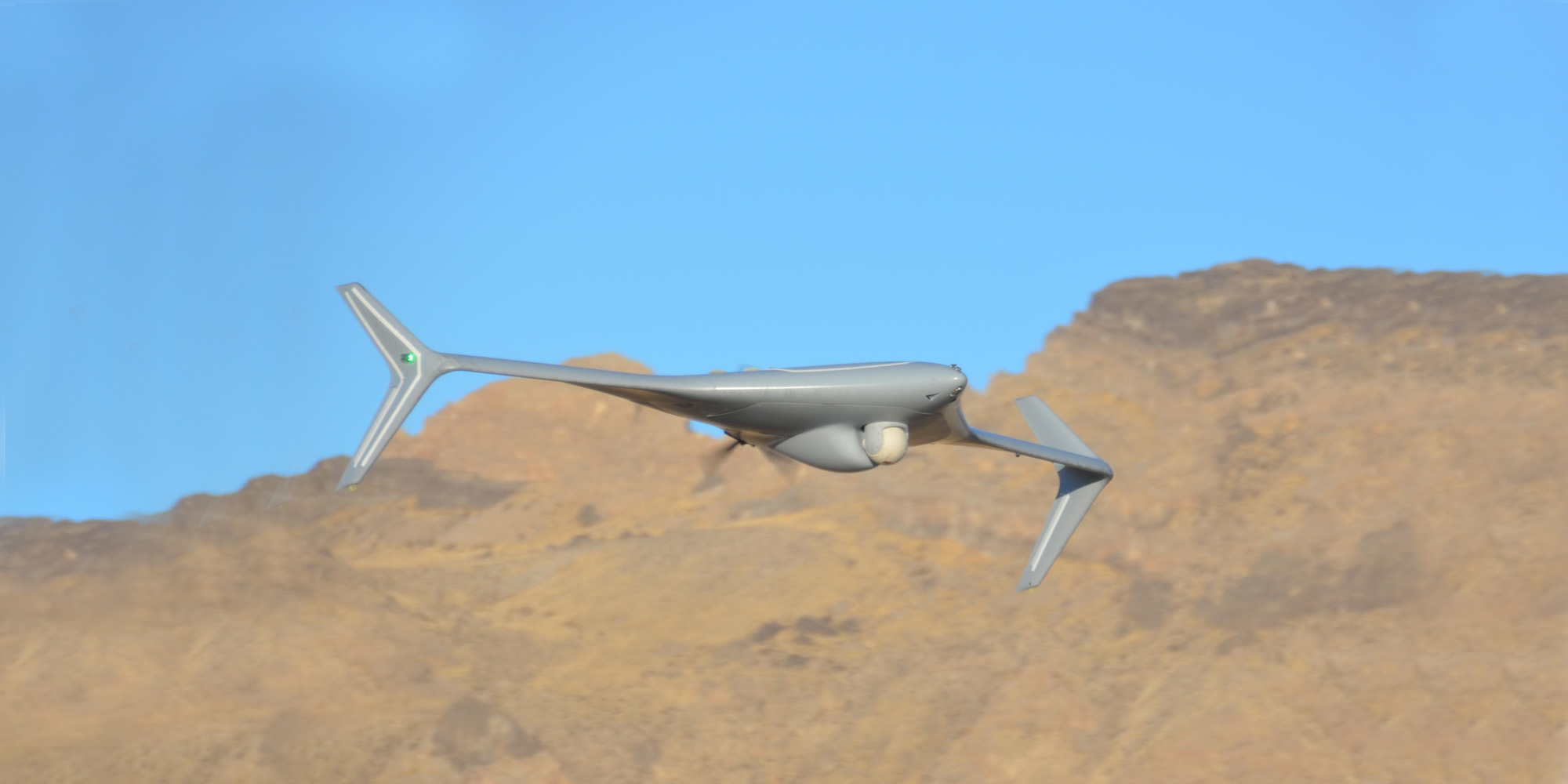
Tactical Firejet is a jet-powered tactical uncrewed aerial vehicle developed by Kratos Defense & Security Solutions of the United States, shown publicly at the AUSA 2026 exhibition in October 2026. It is a combat-oriented derivative of the company's MQM-178 Firejet aerial target, re-purposed for reconnaissance, electronic warfare, decoy, payload-delivery and one-way-attack missions rather than use solely as a missile-test target.
Overview
Kratos built the Tactical Firejet on the airframe and pneumatic-launch, parachute-recovery architecture of the MQM-178 Firejet, a target drone the company uses to simulate subsonic cruise missiles and maneuvering aircraft for live-fire weapons testing. The company's own product page describes the Tactical Firejet as "designed to affordably meet requirements for fast ingress and egress of tactically denied battle spaces." Kratos displayed the aircraft at the Association of the United States Army's AUSA 2026 exhibition in October 2026; Army Recognition, reporting from the show, described it as a way to turn "an aerial target into an attack drone."
Taiwan has separately developed an MQM-178-based attack drone of its own, reported under the name Mighty Hornet IV, and Kratos introduced a re-engined version of the original Firejet target, called the Firejet Mk1, in April 2026. Neither the Mighty Hornet IV nor the Firejet Mk1 is confirmed by available sources to be the same aircraft as the Tactical Firejet, and this entry covers the Tactical Firejet specifically.
Design and capabilities
Kratos states the Tactical Firejet has a 2.0 m wingspan and an overall length of about 3.3 m, with a maximum take-off weight of 320 lb (145 kg); Army Recognition separately reports a close but slightly different 3.2 m length and a higher 166 kg maximum take-off weight against a 74 kg empty weight, so the two figures should be treated as approximate. The aircraft is powered by a single turbojet engine that Army Recognition puts at about 890 N of thrust, roughly 24% more than the combined output of the MQM-178's two JetCat C81 turbojets. Kratos says the aircraft cruises at a minimum of 150 knots (278 km/h) up to transonic speed, while Army Recognition gives a maximum speed of Mach 0.8, faster than the Mach 0.69 Kratos quotes for the baseline MQM-178.
The aircraft is launched pneumatically and requires no prepared runway, and a surviving airframe is recovered by parachute, refuelled and relaunched in about an hour, according to Kratos. Army Recognition reports an endurance of 105 minutes and a strike range of 926 km, operating between 20 ft (6 m) and 35,000 ft (10,668 m) — the same altitude envelope as the MQM-178. It carries mission payloads on internal, underwing and wingtip hardpoints; Army Recognition specifies up to 32 kg carried internally, plus two 9 kg wingtip stations and two 16 kg wing stations, with the total limited by the aircraft's take-off weight.
Operational history
Kratos describes the Tactical Firejet as already in production, drawing on what it calls a ten-year production track record with the Firejet family of target drones. No operator has been publicly named for the Tactical Firejet configuration specifically as of its October 2026 AUSA showing.
Frequently asked questions
What is the range of the Tactical Firejet?
Army Recognition reports a strike range of 926 km.
How long can it stay airborne?
Army Recognition gives an endurance of 105 minutes (1.75 hours).
What is the Tactical Firejet derived from?
It is a combat-oriented derivative of the Kratos MQM-178 Firejet aerial target drone.
How is it launched and recovered?
Kratos says it is pneumatically launched and recovered by parachute, allowing it to be refuelled and relaunched in about an hour.
What payload can it carry?
Army Recognition reports up to 32 kg internally, plus four underwing and wingtip hardpoints carrying up to 9 kg or 16 kg each.