TYTAN Interceptor METIS
TYTAN Technologies · Germany · also known as METIS, TI-1 · Updated
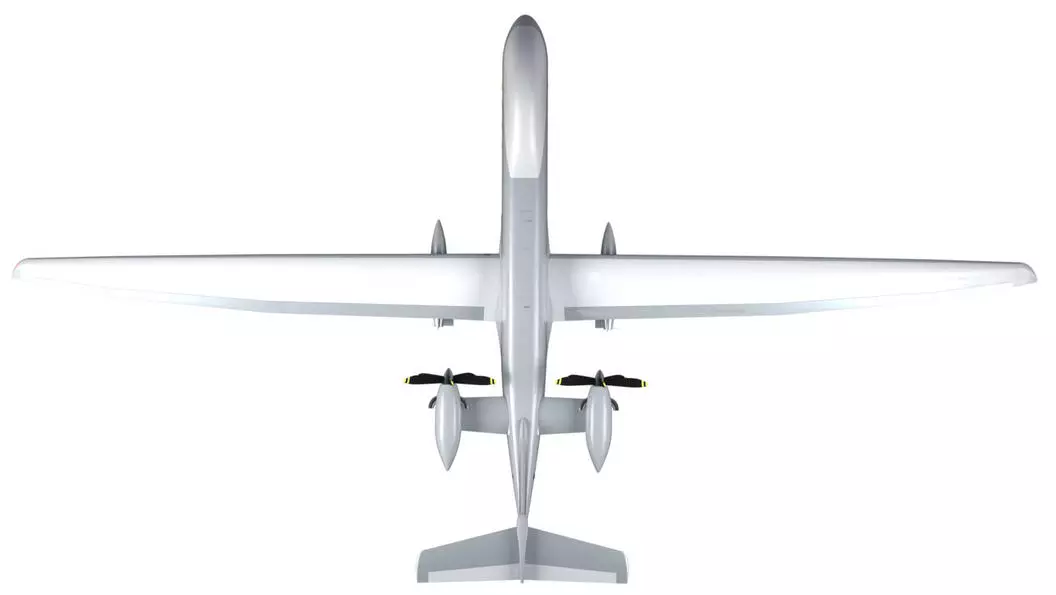
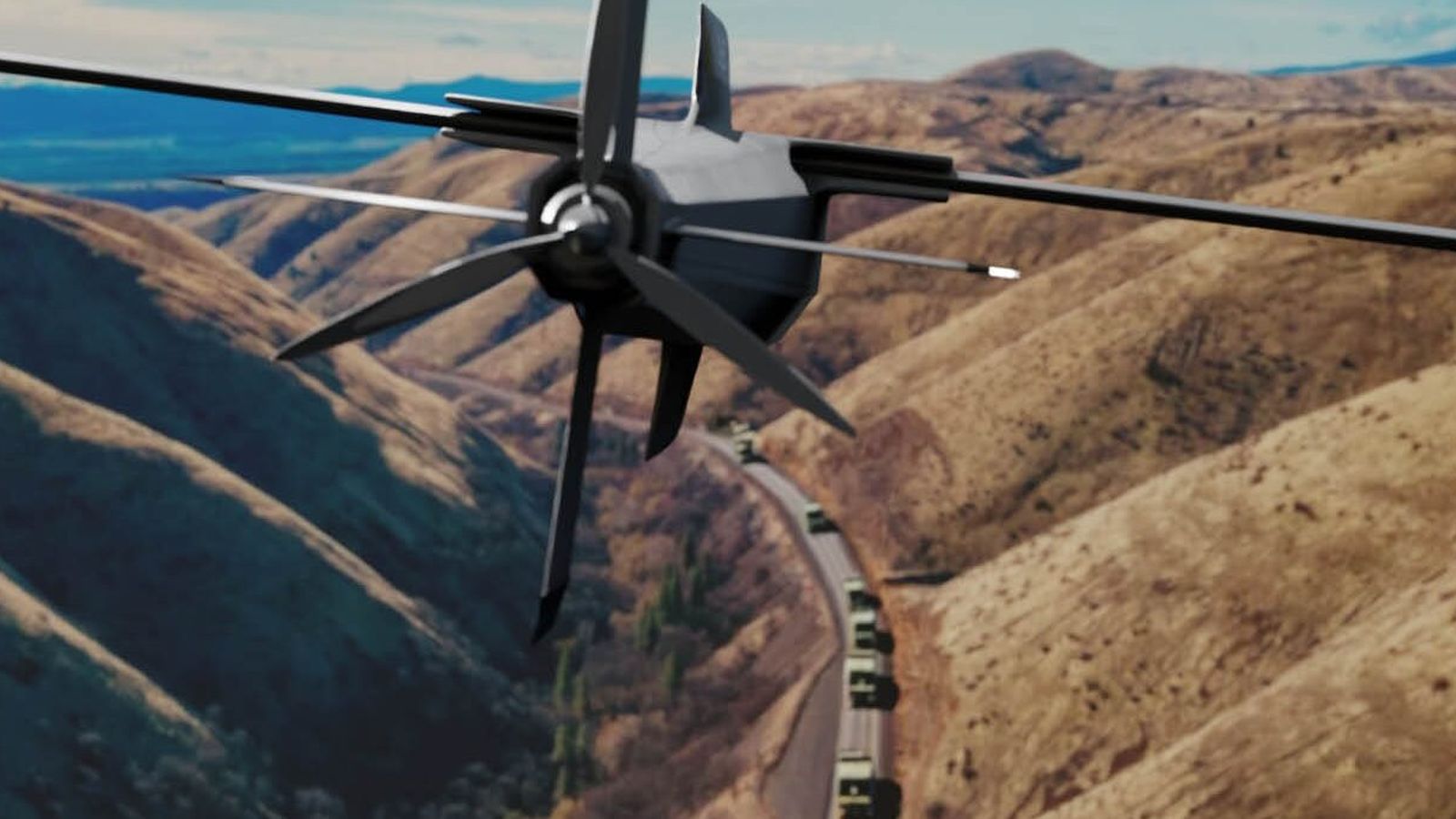
TYTAN Interceptor METIS is a counter-drone interceptor aircraft, designated TI-1, developed by TYTAN Technologies of Germany for layered, deep-area air defence against NATO Class II drone threats. It is the longer-range of the two interceptors in TYTAN's current product line, paired with the shorter-range TYTAN Interceptor EOS (TI-2).
Overview
TYTAN Technologies, a Munich-based counter-drone company, presents METIS on its own site as a "long-endurance interceptor for layered, deep-area defense," built to engage the larger and longer-range drones that fall into NATO's Class II category. METIS is one of two named interceptors TYTAN currently sells, alongside the shorter-range EOS; TYTAN's co-founders told Jane's in January 2025 that the company's interceptor technology was already being used on the battlefield in Ukraine to shoot down Iranian-designed Shahed-136 (Russian designation Geran-2) one-way attack drones, though that account describes the company's interceptor line in general rather than METIS specifically.
TYTAN's own marketing also shows a separate product labelled "TYTAN Interceptor B," with a close but not identical specification set to METIS's. The manufacturer's site does not explain how, or whether, "Interceptor B" relates to METIS or EOS, and no independent source consulted for this entry clarifies the relationship, so it is treated here as a separate, unresolved product reference rather than an alias for either.
Design and capabilities
TYTAN's own published specification for METIS gives a maximum speed of 375 km/h, a range of 60 km and a maximum altitude of 5,000 m, with a total weight of 6 kg and a 1.2 kg payload. The manufacturer states METIS uses ground-radar cueing combined with onboard autonomous navigation, and an AI-powered thermal camera for terminal detection, closing on a target with either a kinetic interception or a fragmentation warhead. TYTAN has not published the aircraft's dimensions, endurance or propulsion type.
Army Recognition separately reports a related TYTAN design, the rocket-boosted TI-03 "Hyperion," which the outlet says uses a booster for initial acceleration before an electrically powered terminal phase; Army Recognition's report does not state that Hyperion is the same aircraft as METIS, and this entry covers METIS as TYTAN's own site describes it.
Operational history
TYTAN has not disclosed a confirmed government operator of METIS specifically. The company has said its wider interceptor line has been used in Ukraine, and TYTAN signed a memorandum of understanding with German sensor company HENSOLDT in January 2026 to integrate its interceptors with HENSOLDT's command-and-control software, as part of a broader push — including a new Munich production site — to scale manufacturing of its interceptor drones.
Frequently asked questions
What is the range of the TYTAN Interceptor METIS?
TYTAN's own specification gives a 60 km range.
How fast is METIS?
TYTAN states a maximum speed of 375 km/h.
What threats is METIS designed to counter?
TYTAN markets it against NATO Class II drone threats, using ground-radar cueing and onboard autonomous navigation.
How does METIS destroy its target?
TYTAN says it closes to a kinetic interception or uses a fragmentation warhead, guided in the terminal phase by an AI-powered thermal camera.
Who makes the TYTAN Interceptor METIS?
TYTAN Technologies, a counter-drone company headquartered in Munich, Germany.