UX5 HP
Trimble · United States · Updated
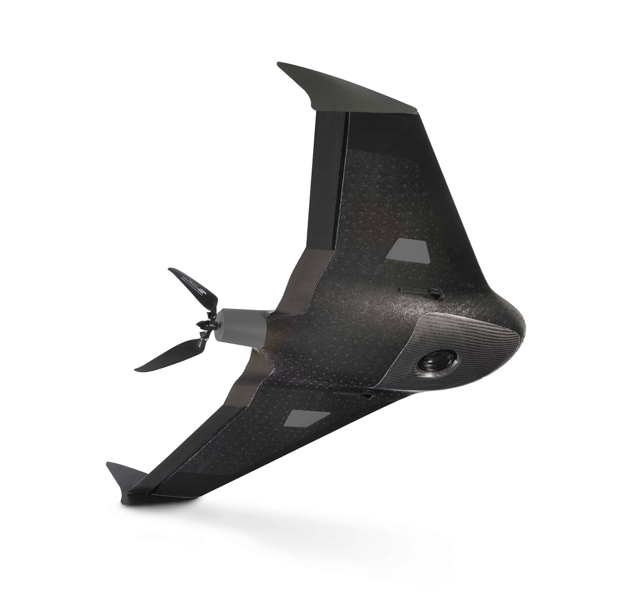
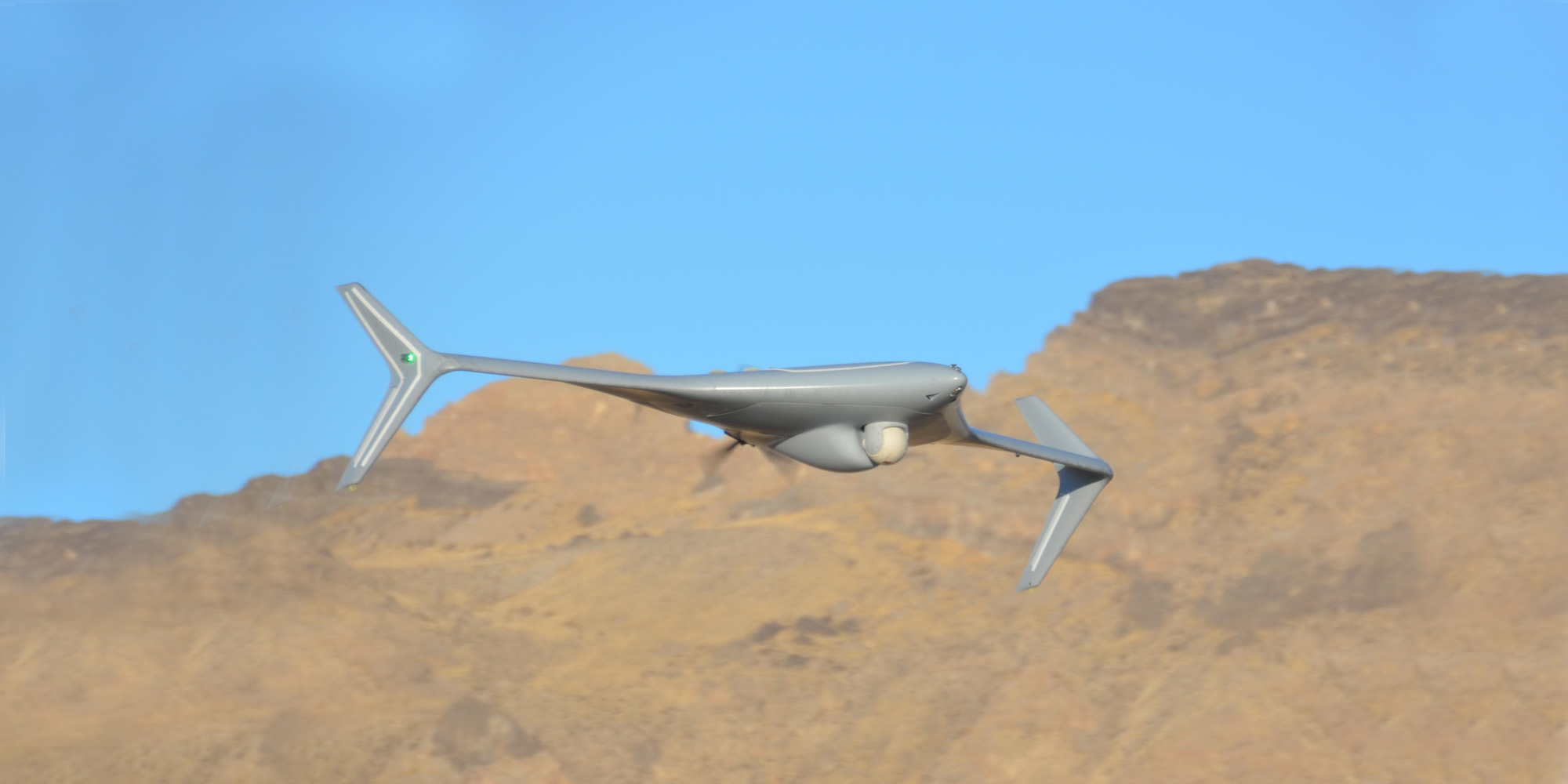
UX5 HP is a fixed-wing mapping and surveying unmanned aircraft system (UAS) built by Trimble of the United States. It pairs a 36-megapixel full-frame camera with Trimble's GNSS and photogrammetry software to produce survey-grade orthomosaics, point clouds and 3D models without ground control points.
Overview
Trimble designed the UX5 HP as a high-precision successor in its UX5 line of mapping drones, aimed at survey-grade aerial mapping, power-line monitoring, site and route planning, progress monitoring, and asset mapping. The system integrates a high-performance Trimble GNSS receiver using Post-Processed Kinematic (PPK) positioning with a large-sensor camera, so image locations can be georeferenced to absolute coordinates in the field without laying out ground control targets. Flight planning, pre-flight checks and flight monitoring run through the Trimble Access Aerial Imaging application on a ruggedised Trimble tablet, with captured data exported to Trimble Business Center or Trimble Inpho UASMaster for photogrammetric processing.
Design and capabilities
UX5 HP is a small fixed-wing aircraft weighing 2.9 kg, with a 1 m wingspan and a 100 cm x 65 cm x 10.5 cm airframe built from EPP foam over a carbon frame. It is powered by an electric pusher propeller driven by a 1,400 W brushless motor and a 14.8 V, 6,600 mAh battery, giving a rated endurance of about 35 minutes and an operational range of 52 km. Trimble quotes a cruise speed of 85 km/h and a recommended maximum operating altitude of 5,000 m, noting the aircraft is not tested above that height. The aircraft launches from a catapult at a 30-degree angle and recovers with a 14-degree belly landing, needing a typical landing area of about 20 m by 6 m; Trimble rates it for winds up to 55 km/h and light rain. Command-and-control runs over a 2.4 GHz frequency-hopping link with a range of up to 5 km.
The camera is a 36-megapixel, full-frame mirrorless sensor fitted with an interchangeable 15 mm, 25 mm or 35 mm lens, chosen to trade off ground sample distance against area covered per flight. Flown between 75 m and 750 m above take-off height, it produces ground sample distances from 1 cm to 25 cm and, with ground control points omitted, Trimble quotes absolute accuracy down to 2 cm using PPK positioning.
Use cases
UX5 HP is marketed to survey, mapping and engineering customers for applications including topographic and cadastral surveying, power-line corridor monitoring, agricultural field assessment, construction-site progress tracking, and general asset mapping, wherever high-resolution, high-accuracy orthomosaics or 3D models are needed over areas too large or inaccessible to survey efficiently on foot.
Frequently asked questions
How long can the UX5 HP fly?
Trimble rates endurance at about 35 minutes per battery, for an operational range of 52 km.
How accurate is the UX5 HP's mapping data?
Trimble quotes ground sample distances from 1 cm to 25 cm depending on flight altitude and lens, and absolute accuracy down to 2 cm without ground control points, using PPK GNSS positioning.
How is the UX5 HP launched and recovered?
It is catapult-launched at a 30-degree angle and recovered by a 14-degree belly landing, needing a typical clear area of about 20 m by 6 m.
How much does the UX5 HP weigh?
2.9 kg, with a 1 m wingspan and a fixed-wing, electric pusher-propeller design.
Who makes the UX5 HP?
Trimble, a US positioning-technology company, which pairs the aircraft with its Trimble Access and Trimble Business Center software for mission planning and photogrammetric processing.