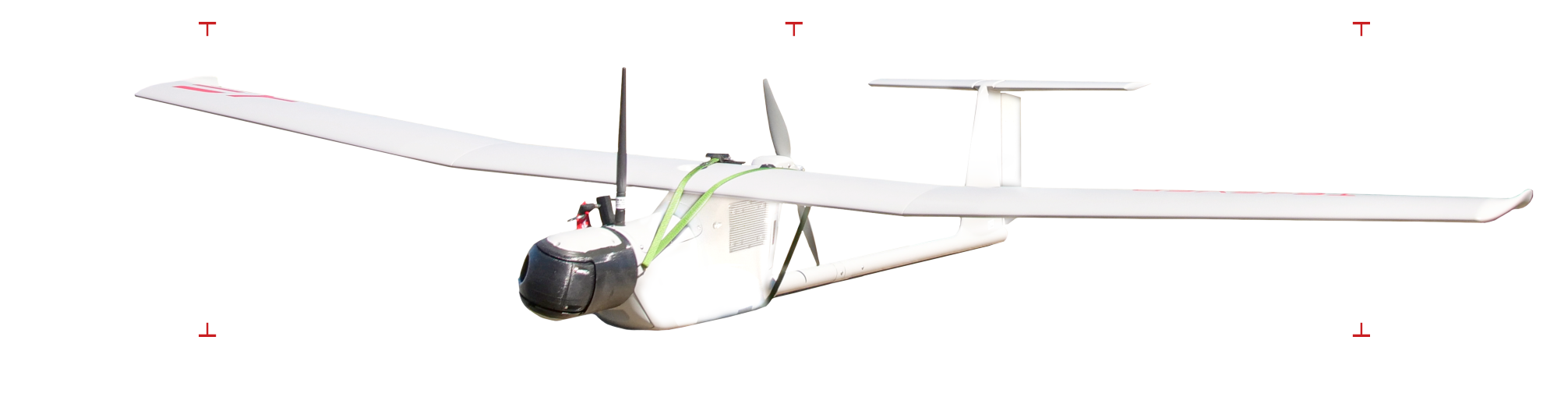
AR5
Tekever Autonomous Systems · also known as AR5 Life Ray Evolution · Updated
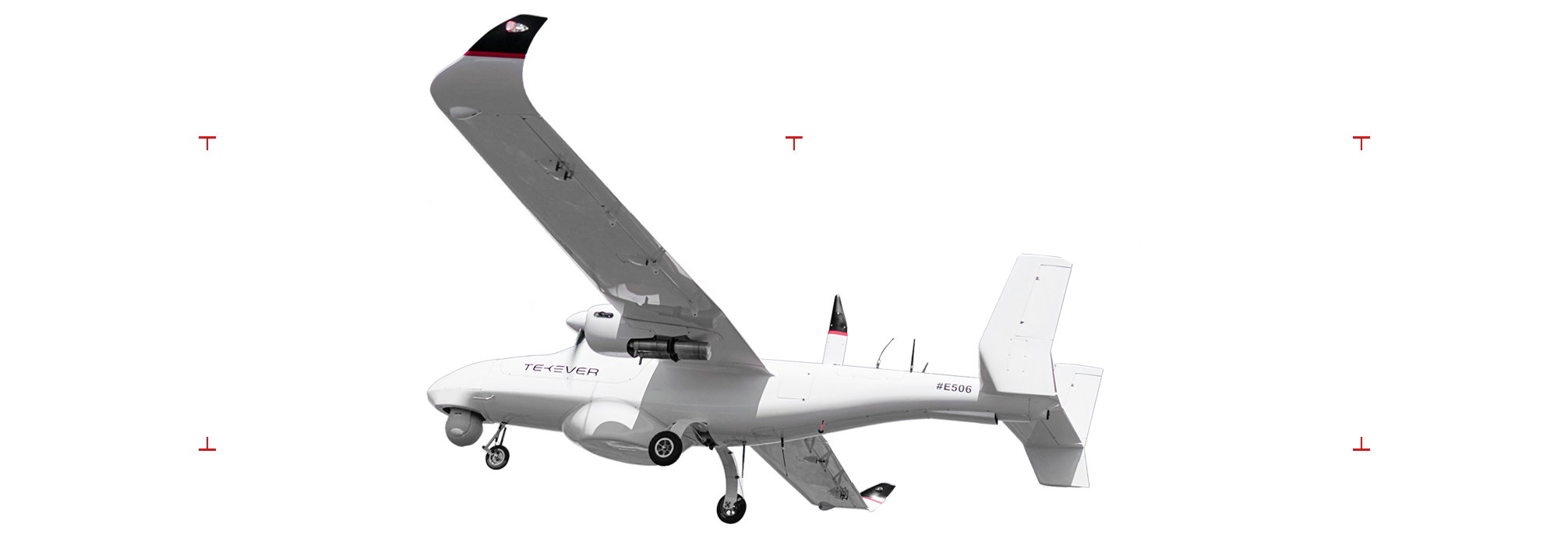
The AR5 is a medium-altitude, medium-endurance tactical unmanned aircraft system (UAS) developed by Tekever Autonomous Systems of Portugal, first flown in an undisclosed year. It is built for maritime surveillance, maritime patrol, search and rescue, and land reconnaissance, and has drawn the most public attention of any aircraft in Tekever's product line.
Overview
Tekever, founded in Lisbon in 2001, began developing unmanned aircraft systems from 2010 and unveiled the AR5, marketed under the fuller name "AR5 Life Ray Evolution," at the Farnborough International Airshow. Reported dates for that debut are inconsistent across public sources, so a confirmed first-flight year cannot be established from the sources reviewed. The AR5 was subsequently selected in 2017 for the European Maritime Safety Agency's (EMSA) RAPSODY programme, described by Tekever as Europe's first UAS-based maritime surveillance system, giving European agencies contracted long-endurance maritime patrol coverage without operating their own aircraft.
Since then, the AR5 has been used operationally by Ukraine's armed forces and has been the subject of a series of European procurement decisions. In August 2026, Tekever signed a contract with the Portuguese Air Force to supply the AR5 for maritime surveillance and Exclusive Economic Zone monitoring, and later that same month the UK Ministry of Defence selected the AR5 for Project CORVUS, its programme to replace the retired Watchkeeper tactical UAV.
The Project CORVUS award covers an initial order of six aircraft with an option for up to 24 units by 2029, backed by UK government investment of up to £400 million over ten years, with entry into British Army service planned for later in 2026 and production based partly at a new Tekever facility in Swindon.
Design and capabilities
The AR5 has a fuselage length of 4.0 metres and a wingspan of 7.3 metres, with a maximum take-off weight of 180 kilograms and a payload capacity of up to 50 kilograms, excluding onboard sensors and communications equipment. It is powered by two wing-mounted piston engines, each driving a two-bladed propeller, with redundant flight-critical systems intended to keep the aircraft flying if one engine fails.
The airframe uses fixed tricycle landing gear and an automatic take-off and landing (ATOL) system, allowing operation from short, unprepared airstrips without a runway. Cruise and reported maximum speed are both about 100 kilometres per hour, and documented endurance is up to 20 hours, depending on payload and mission profile. The manufacturer describes the aircraft's communications range as effectively unlimited, since the AR5 can operate beyond radio line of sight using satellite communications (SATCOM) for long-range missions over land and sea; no separate ferry-range distance figure is publicly published.
Standard and optional sensor payloads include a multi-sensor, three-axis gyro-stabilized gimbal with electro-optical/infrared (EO/IR) cameras, an Automatic Identification System (AIS) receiver for tracking maritime traffic, and optional maritime radar, synthetic aperture radar (SAR), signals-intelligence (SIGINT) and electronic-intelligence sensors, plus a communications-relay capability and a lifeboat/liferaft drop function demonstrated in coast guard search-and-rescue exercises. Tekever states the aircraft is designed to operate in GPS-denied and electronically contested environments.
Operational history
The AR5 has been used by Ukraine's armed forces for reconnaissance over land and sea, described by UK and European trade press as a combat-tested platform ahead of the British Army's 2026 selection decision. In Portugal, the AR5 is under contract to the Portuguese Air Force for maritime surveillance and Exclusive Economic Zone monitoring, following earlier use of the platform for EMSA-contracted maritime surveillance missions over European waters from 2017 onward, including a demonstrated lifeboat-deployment capability during an Italian Coast Guard search-and-rescue exercise in 2024. The United Kingdom selected the AR5 in July 2026 for Project CORVUS, the British Army's programme to replace its Watchkeeper tactical UAV fleet, with an initial six-aircraft order, options for up to 24 aircraft by 2029, and planned entry into service later in 2026.
Frequently asked questions
How big is the AR5?
The AR5 has a fuselage length of 4.0 metres and a wingspan of 7.3 metres.
How long can the AR5 stay airborne?
Documented endurance is up to 20 hours, depending on payload and mission.
What is the AR5's payload capacity?
It carries up to 50 kilograms of sensors and mission equipment, separate from onboard communications gear.
Which countries use the AR5?
Sourced operators include Ukraine, Portugal, and the United Kingdom (selected in 2026 under Project CORVUS), plus contracted use by the European Maritime Safety Agency for maritime surveillance.
How is the AR5 launched and recovered?
It uses fixed tricycle landing gear with an automatic take-off and landing system, allowing operation from short, unprepared airstrips.
How fast does the AR5 fly?
Cruise and reported maximum speed are both about 100 kilometres per hour.