CH-4
China Aerospace Science and Technology Corporation (CASC) · China
AutoFlight · China · Air Mobility · also known as AutoFlight Prosperity, V2000EM, Prosperity I · Updated
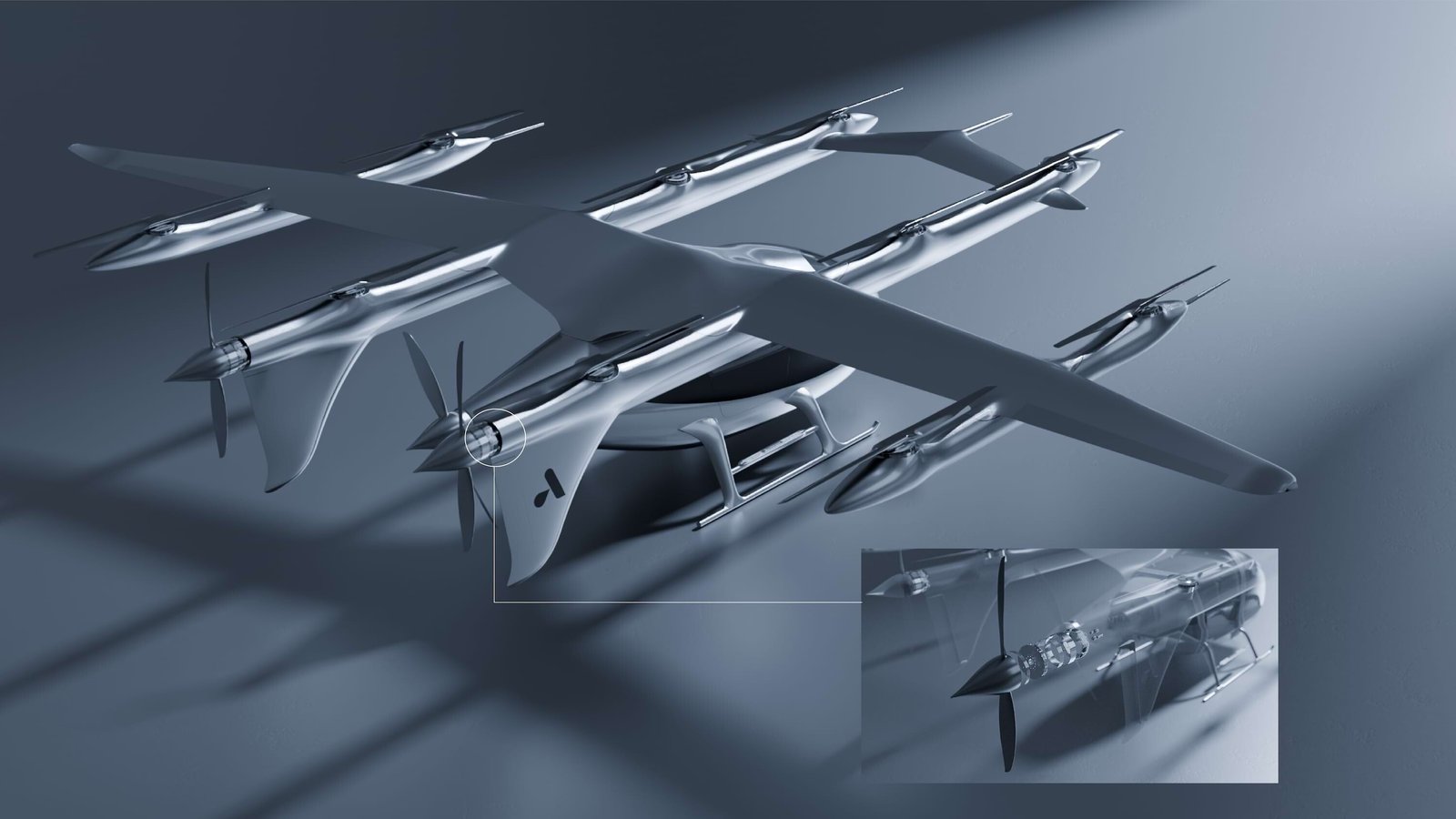
Prosperity, also designated V2000EM, is a six-seat, all-electric vertical take-off and landing (eVTOL) air taxi developed by AutoFlight of China, intended for short intercity and intracity passenger flights and currently in China's type-certification process.
AutoFlight designed Prosperity for urban and intercity commuting, positioning it as an alternative to ground transport across rivers, mountains and congested routes. The aircraft is a "2-tonne class" six-seat eVTOL, according to AutoFlight's own product materials, and the company says it can take off and land from sites of roughly 20 by 20 metres, allowing deployment at urban vertiports, business districts and transport hubs rather than airports.
Aviation Week reported that AutoFlight remains on track to achieve Chinese type certification for Prosperity in 2026, with the programme entering verification and compliance testing with the Civil Aviation Administration of China (CAAC) as of the report.
AutoFlight's published specifications give Prosperity a wingspan of 15 m, a length of 11.6 m, a height of 3.3 m, and a maximum take-off weight of 2,400 kg. The aircraft seats one pilot and up to five passengers (1+5) in a six-seat cabin with a cabin volume of 3.6 m³ and a 0.5 m³ luggage compartment. AutoFlight states an operational range of 200 km and a maximum operating altitude of 3,000 m.
Propulsion is all-electric with a distributed architecture AutoFlight calls its "5th generation power unit": independent power supply and communication interfaces for each power unit, intended so that a single-point failure does not take down the whole propulsion system. The energy-storage system uses multiple independent battery packs with thermal management and isolation, which AutoFlight says can sustain flight and a safe landing if one pack fails. A triple-redundant flight-control computer cross-checks critical data in flight, and the aircraft carries an intelligent health-monitoring system that runs continuous diagnostics from pre-flight inspection through post-flight analysis. AutoFlight's specifications sheet does not publish a cruise or maximum speed, empty weight or payload capacity figure.
AutoFlight markets Prosperity for efficient urban and intercity commuting within city clusters, as well as for low-altitude sightseeing flights over coastlines, mountain ridges and urban landmarks. The company offers a full-lifecycle support programme covering flight operations, maintenance and engineering, crew training, and spare-parts supply, aimed at commercial operators rather than individual owners.
Six: one pilot and up to five passengers, according to AutoFlight's published specifications.
AutoFlight states an operational range of 200 km.
Not yet. As of 2026 it was in China's type-certification process with the Civil Aviation Administration of China, and Aviation Week reported AutoFlight is targeting certification in 2026.
No. It takes off and lands vertically and AutoFlight says it can operate from sites of about 20 by 20 metres.
All-electric, with a distributed propulsion architecture using multiple independent battery packs and power units, each with its own redundant control links.