YFQ-42A
General Atomics Aeronautical Systems · United States · also known as FQ-42A, YFQ-42 · Updated
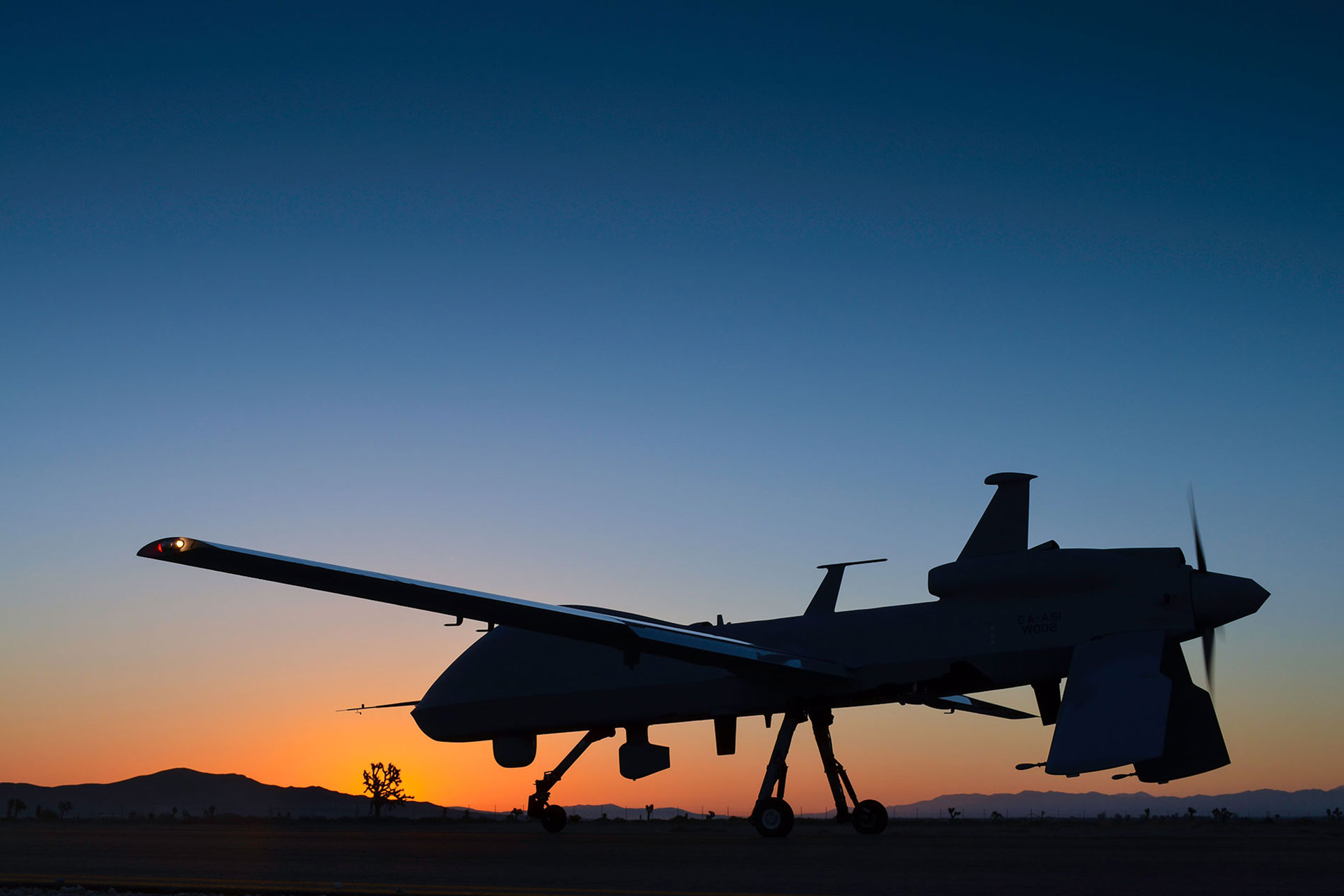
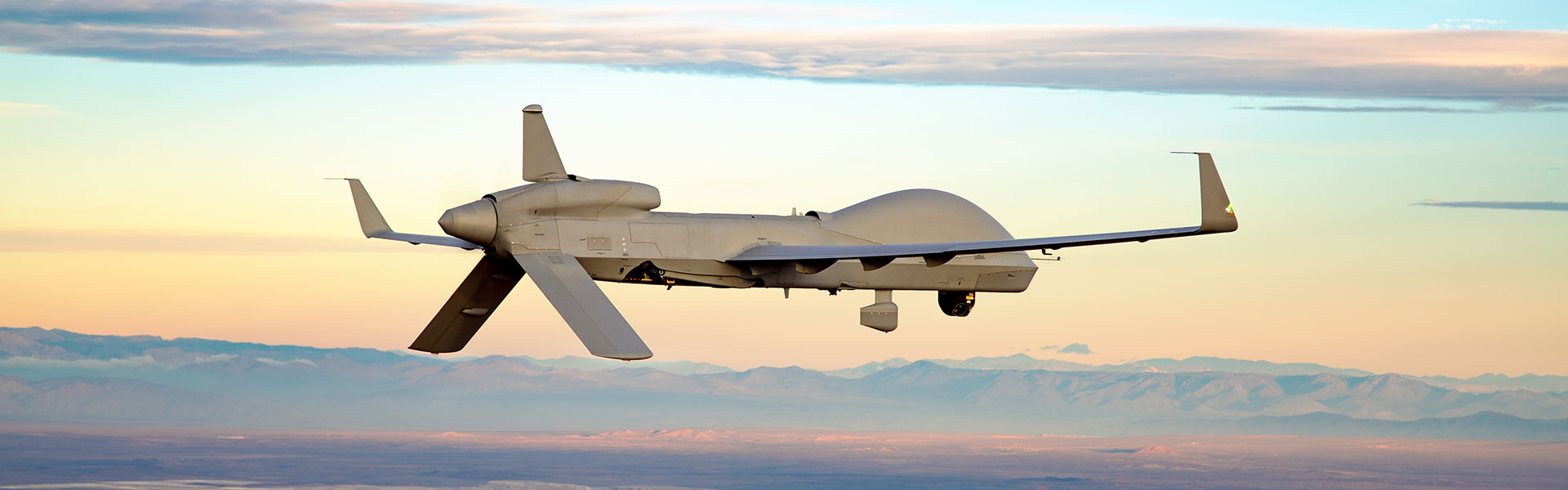
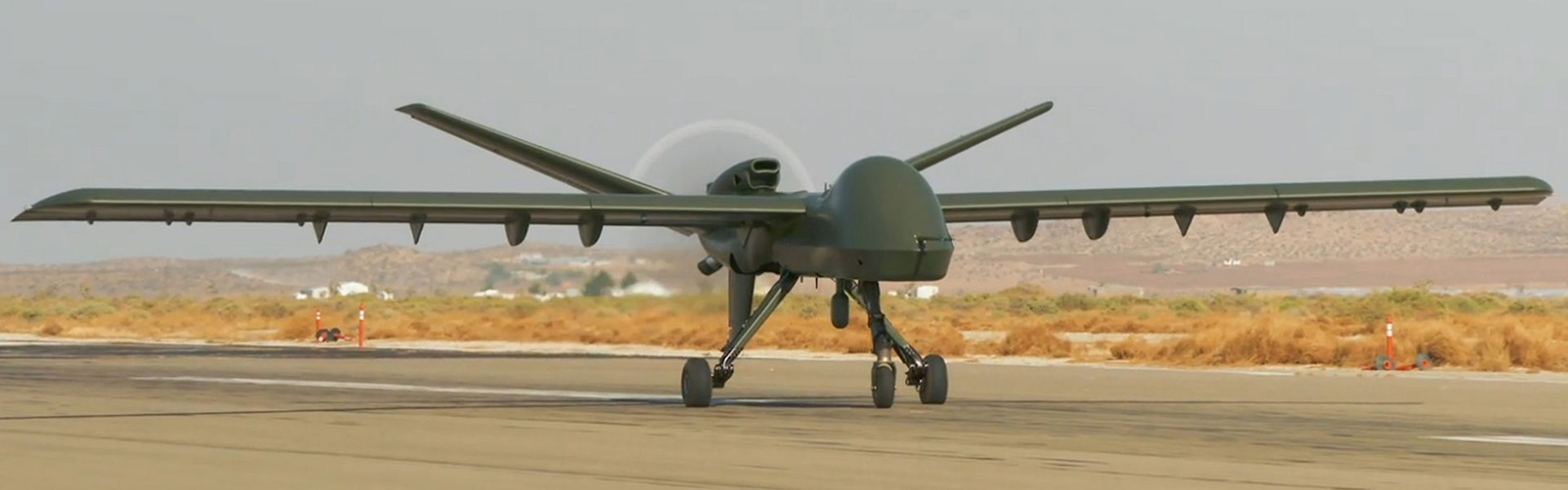
YFQ-42A is a jet-powered, semi-autonomous uncrewed fighter developed by General Atomics Aeronautical Systems (GA-ASI) for the US Air Force's Collaborative Combat Aircraft (CCA) Increment 1 programme, first flown on 27 August 2025. It is designed to fly alongside crewed fighters such as the F-35 and F-47 as a lower-cost "drone wingman," and entered production in 2026 under the designation FQ-42A.
Overview
The YFQ-42A traces its lineage to GA-ASI's XQ-67A Off-Board Sensing Station, which first flew in 2024 and validated a "genus/species" approach to building a family of related uncrewed aircraft from shared systems. The US Air Force selected GA-ASI, alongside Anduril Industries and its competing YFQ-44A, for CCA Increment 1 development in April 2024. GA-ASI took the YFQ-42A from contract award to first flight in about 15 months, which the company and the Air Force have both described as one of the fastest fighter-development timelines in recent history.
The Air Force publicly revealed the design in May 2025 and GA-ASI flew it for the first time on 27 August 2025 from a test site in California, gathering flight-performance, autonomy and mission-systems data. On 17 June 2026 the Air Force awarded GA-ASI a production contract, at which point the aircraft's designation dropped the "Y" prototype prefix to become FQ-42A; GA-ASI said full-scale manufacturing was already under way by the time the award was announced. The Air Force has said it intends to field more than 1,000 CCAs with a combat radius exceeding 700 nautical miles (about 1,296 km) and radar cross-sections comparable to the F-35, adaptable to strike, reconnaissance, electronic-warfare and decoy roles.
Design and capabilities
The YFQ-42A is a stealth-shaped, jet-powered flying-wing-style airframe with a top-mounted fuselage air inlet and twin canted tail surfaces, built using model-based digital engineering. GA-ASI has not published dimensions, weight or speed figures for the type, but the Air Force has said the CCA fleet is intended to reach a combat radius of more than 700 nautical miles (about 1,296 km). The aircraft uses an AI autonomy core that GA-ASI says draws on more than five years of autonomous-flight data gathered with its MQ-20 Avenger demonstrator, intended to let the YFQ-42A operate with reduced human control alongside crewed fighters.
Frequently asked questions
When did the YFQ-42A first fly?
On 27 August 2025, at a test site in California.
Is the YFQ-42A the same as the FQ-42A?
Yes. FQ-42A is the production designation used after the US Air Force's June 2026 production contract award; YFQ-42A was the prototype designation.
Who operates the YFQ-42A?
The US Air Force, under the Collaborative Combat Aircraft programme.
What is the YFQ-42A's range?
The Air Force has said the CCA fleet, including the YFQ-42A, is designed for a combat radius exceeding 700 nautical miles (about 1,296 km).
What is the YFQ-42A's competitor?
Anduril Industries' YFQ-44A, also known as Fury, the other CCA Increment 1 design selected for production.