RQ-3A DarkStar
Lockheed Martin · United States · also known as Tier III Minus, Tier III- · Updated
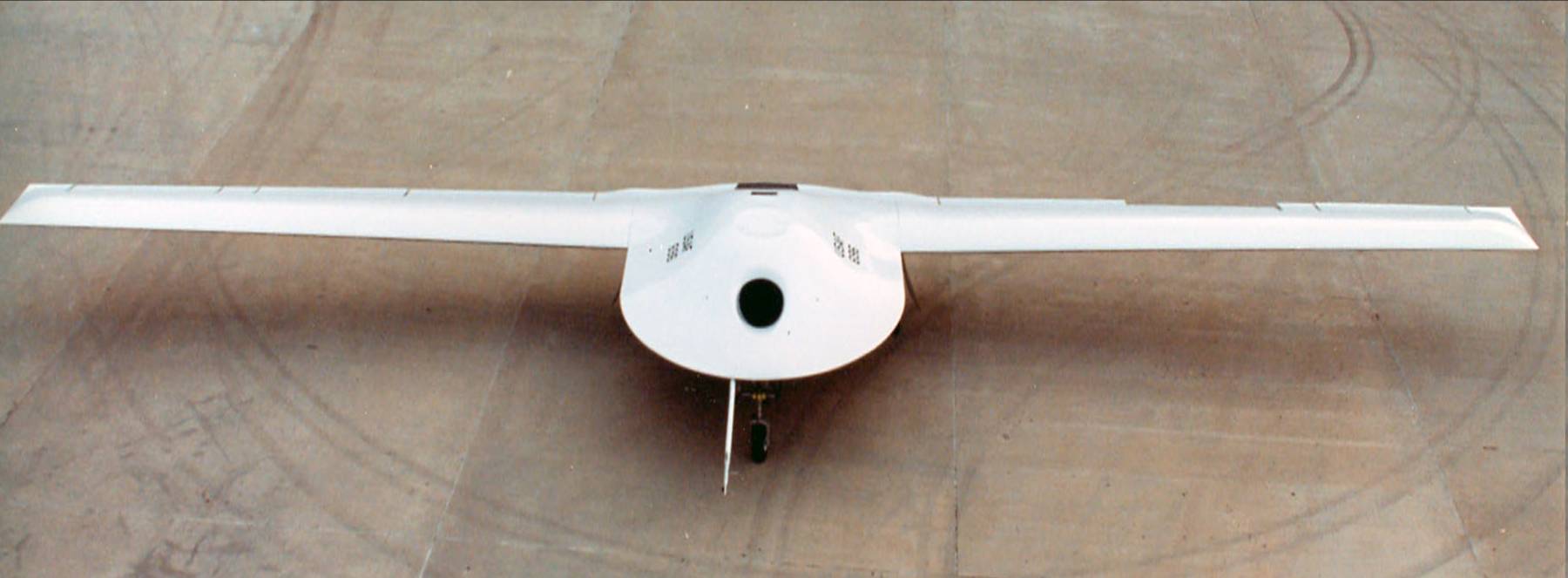
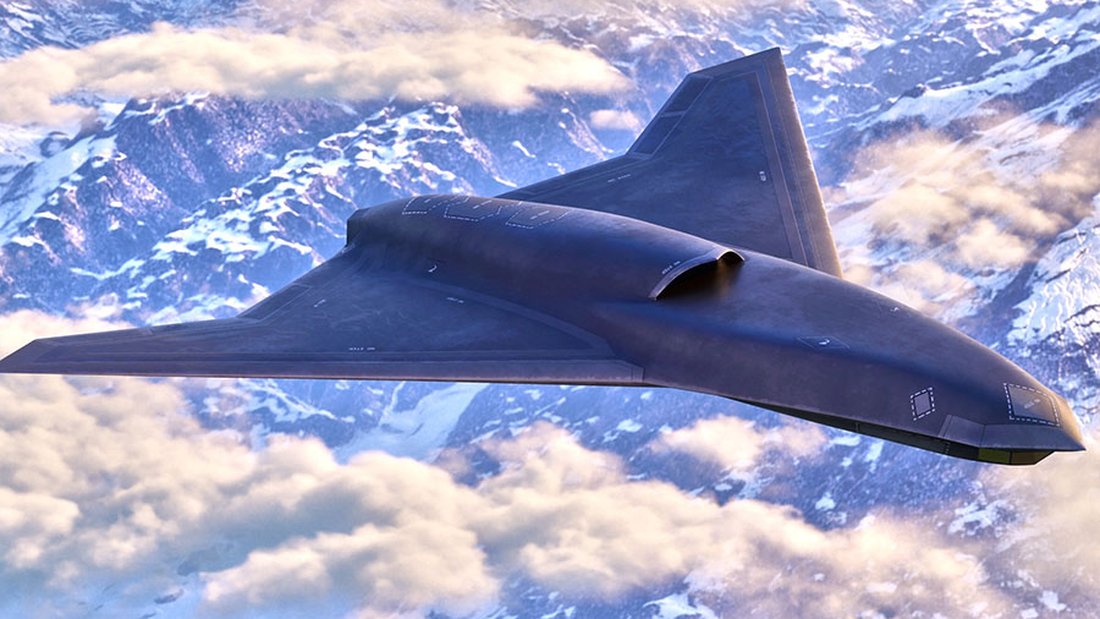
RQ-3A DarkStar was a stealthy, fully autonomous high-altitude reconnaissance drone developed by Lockheed Martin for the United States under the "Tier III Minus" programme, first flown on 29 March 1996 and cancelled in January 1999 without entering service.
Overview
DarkStar was developed alongside the larger RQ-4 Global Hawk ("Tier II Plus") as one of two competing high-altitude endurance UAV concepts for the Defense Advanced Research Projects Agency and US Air Force. Where Global Hawk traded stealth for range and payload, DarkStar was designed from the outset for defended, high-threat airspace: a low-observable flying-wing/saucer shape intended to survive over contested territory that a less stealthy aircraft could not safely overfly.
The aircraft was designed to be fully autonomous from takeoff through landing — flying to a target area, operating its sensors, transmitting imagery via satellite datalink, and returning and landing without a pilot's direct control, though ground operators anywhere in the world could intervene via satellite link if needed.
Design and capabilities
DarkStar was 4.6 m long with a 21.3 m wingspan, an empty weight of about 1,980 kg and a gross weight of about 3,856 kg, powered by a Williams-Rolls-Royce FJ44-1A turbofan. It cruised at about 464 km/h and was designed for a service ceiling of roughly 13,716 m (45,000 ft), carrying an electro-optical or synthetic aperture radar sensor package for wide-area or spot imagery relayed by satellite.
Operational history
The first DarkStar flew on 29 March 1996 but crashed on its second flight shortly after takeoff. A redesigned RQ-3A, with revised aerodynamics to fix a stability problem, first flew on 29 June 1998 and completed five test flights before the programme was cancelled. In January 1999 the Department of Defense terminated DarkStar, judging that it was not meeting cost and performance objectives and remained aerodynamically unstable. Four airframes were built; the surviving aircraft are preserved at the National Museum of the US Air Force in Dayton, Ohio, the Museum of Flight in Seattle, and the National Air and Space Museum in Washington, D.C.
Frequently asked questions
Why was the RQ-3A DarkStar cancelled?
The Department of Defense ended the programme in January 1999 because of persistent aerodynamic stability problems and rising costs relative to its performance.
How is DarkStar different from the Global Hawk?
DarkStar was designed for stealth to survive over defended airspace, while the larger RQ-4 Global Hawk traded stealth for greater range, altitude and payload.
Did the RQ-3A DarkStar ever enter service?
No. Only five test flights of the redesigned RQ-3A were completed before cancellation, and none of the four airframes built were operationally deployed.
How big was the DarkStar?
About 4.6 m long with a 21.3 m wingspan and a gross weight of roughly 3,856 kg.
Where can you see a DarkStar today?
Surviving airframes are on display at the National Museum of the US Air Force, the Museum of Flight in Seattle, and in storage at the National Air and Space Museum.