X-BAT
Shield AI · United States · Updated
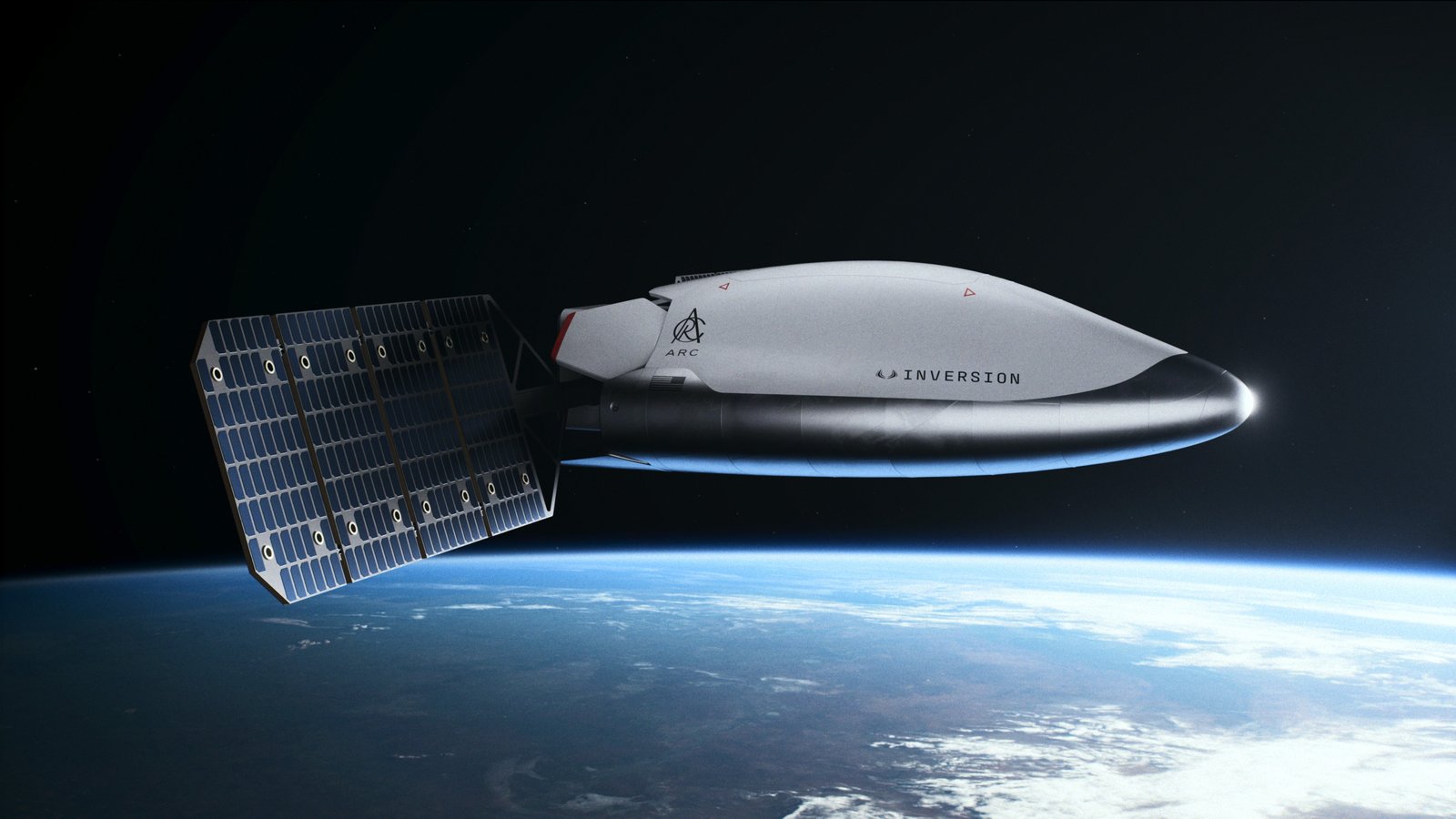
X-BAT is an AI-piloted, vertical-take-off-and-landing fighter-class uncrewed combat aircraft developed by Shield AI of the United States, unveiled on 22 October 2025 in Washington, DC. It is designed to operate without a runway, launching and recovering vertically from a mobile trailer, and is flown by Shield AI's Hivemind autonomy software rather than a remote pilot.
Overview
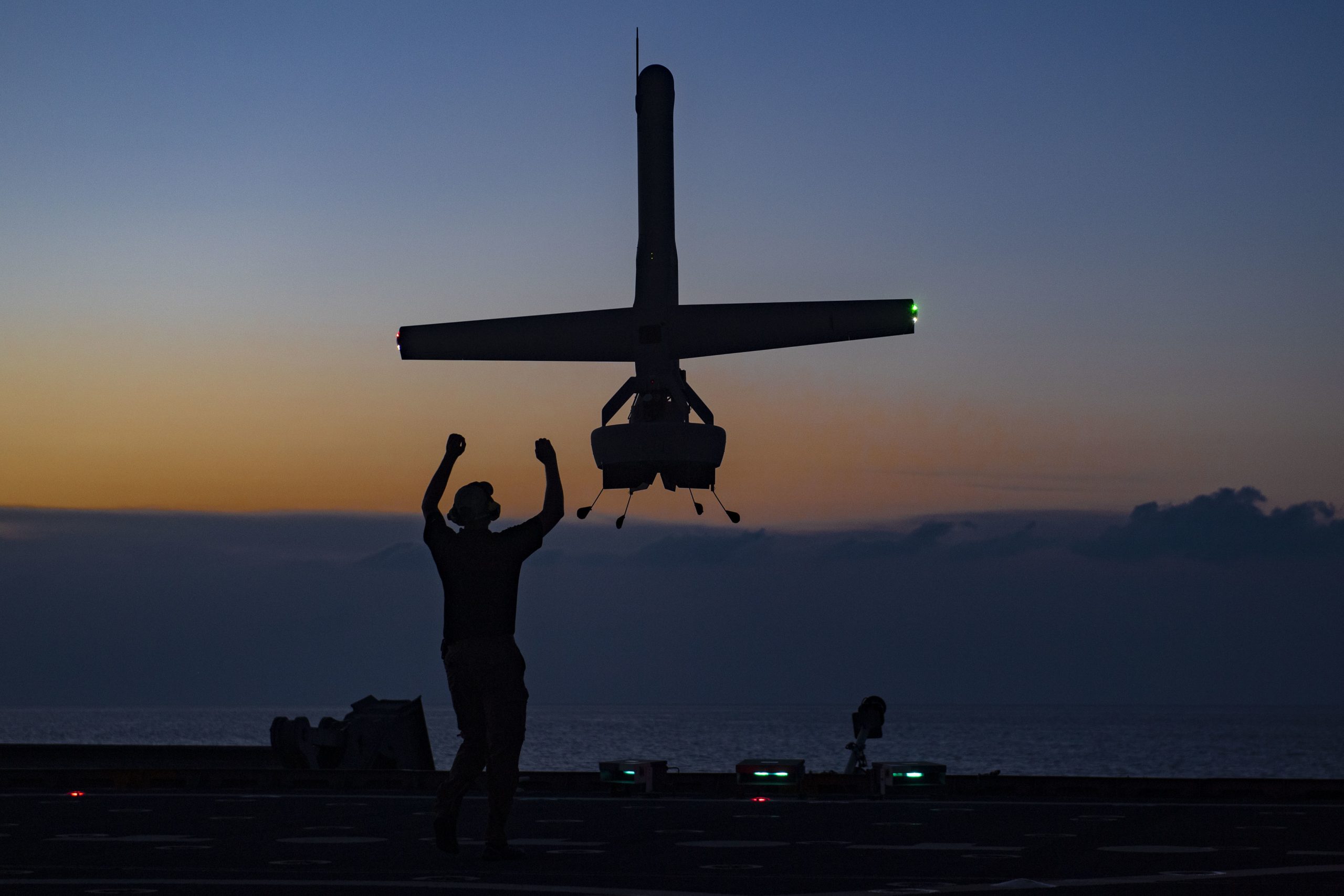
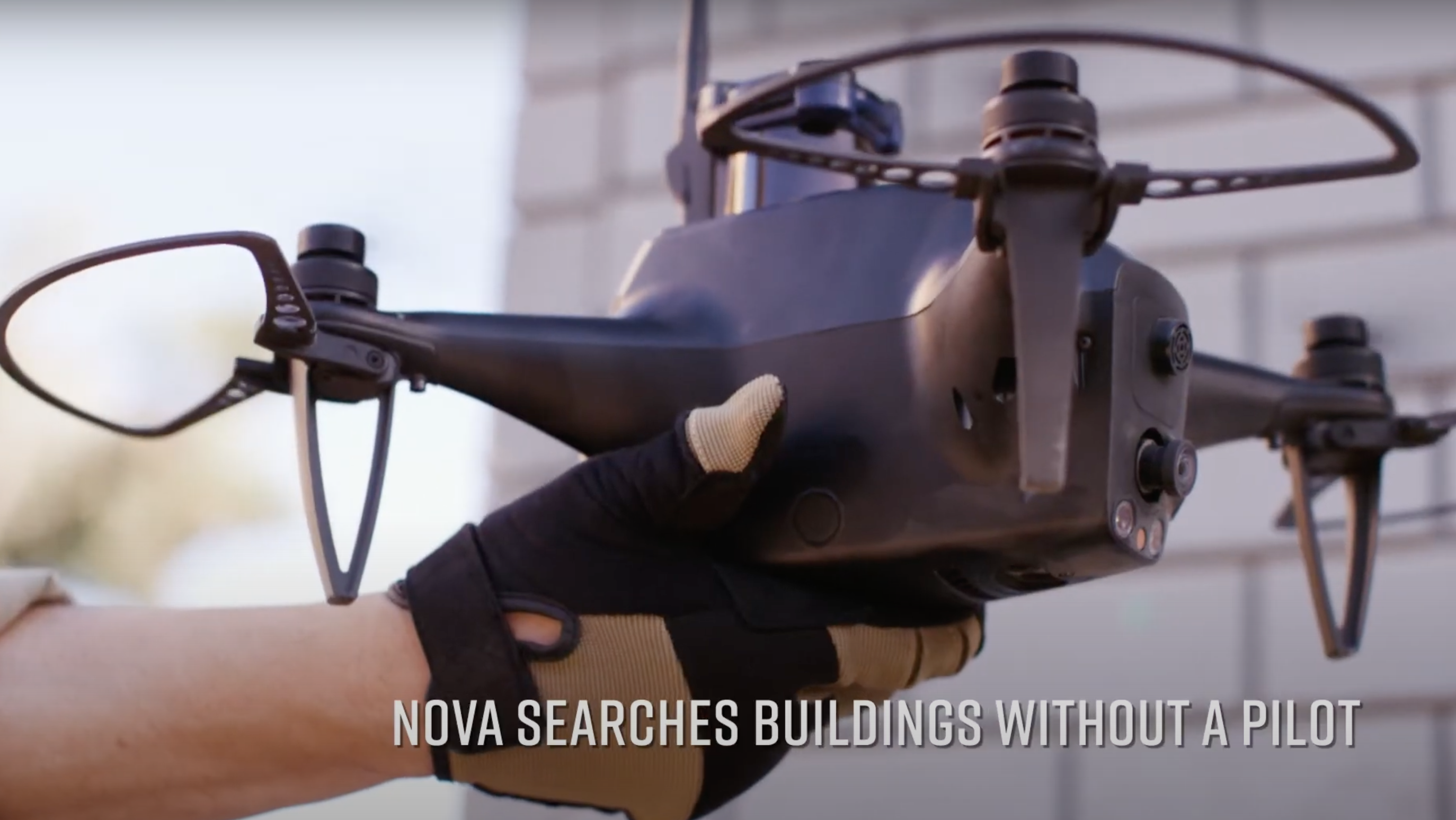
Shield AI positions X-BAT as a lower-cost alternative to fifth-generation crewed fighters, built around a "proven fighter-class powertrain" for strike, counter-air, electronic warfare and intelligence, surveillance and reconnaissance missions. The company says it is designed for theatre-scale operations from ships, islands and austere sites without prepared runways, and that up to three X-BATs can fit in the deck space normally needed for one legacy fighter or helicopter. Shield AI describes the aircraft as able to operate as a standalone asset or as an autonomous "digital wingman" alongside crewed aircraft, built on an open architecture intended to integrate with US Air Force and Navy systems. X-BAT is a larger, fixed-wing successor in concept to Shield AI's smaller V-BAT tail-sitter drone and shares the company's Nova 2 autonomy software lineage, though neither of those smaller aircraft is armed or fighter-class.
Design and capabilities
X-BAT is a tailless flying-wing design about 26 ft (7.9 m) long with a 39 ft (11.9 m) wingspan and folding wings for transport, classified as a Group 5 UAS with a maximum gross take-off weight exceeding 1,320 lb. Shield AI quotes an operational range exceeding 2,000 nautical miles (3,704 km) with a full mission payload and a service ceiling above 50,000 ft (15,240 m). The aircraft is powered by an F-16/F-15-class turbofan — either a GE Aerospace F110 or a Pratt & Whitney F100 variant — fitted with a three-dimensional thrust-vectoring nozzle, a design lineage the company traces to the 1990s F-15 ACTIVE research programme, to enable vertical launch and recovery before transitioning to forward flight. Shield AI says the aircraft is capable of supersonic flight, though it has not published a maximum speed figure.
X-BAT carries an internal weapons bay for at least two weapons plus unspecified external hardpoints; company renderings released at the unveiling depicted it carrying AIM-120 AMRAAM and AIM-174B air-to-air missiles, alongside support for strike, ISR and electronic-warfare payloads. Guidance and mission management run on Shield AI's Hivemind autonomy software, designed to operate in GPS- and communications-denied or degraded environments.
Programme status
Shield AI unveiled X-BAT on 22 October 2025 and had not yet flown the aircraft as of that announcement. The company said first vertical-take-off-and-landing trials were planned for autumn 2026, with full-system flight testing targeted for 2028, and that it expected to announce industrial partners for production and engine supply in the following weeks.
Frequently asked questions
Has the X-BAT flown yet?
Not as of its October 2025 unveiling. Shield AI said first VTOL trials were planned for autumn 2026, with full-system flight testing targeted for 2028.
How does the X-BAT take off without a runway?
It launches and recovers vertically from a mobile trailer using a thrust-vectoring nozzle, then transitions to forward flight — Shield AI calls this "Earth is our runway."
What weapons can the X-BAT carry?
Shield AI's renderings at the unveiling showed an internal weapons bay with AIM-120 and AIM-174B air-to-air missiles, plus external hardpoints for additional payloads.
What is the X-BAT's range?
Shield AI quotes an operational range exceeding 2,000 nautical miles (about 3,704 km) with a full mission payload.
Is the X-BAT related to Shield AI's V-BAT?
Both come from Shield AI, but X-BAT is a much larger, fighter-class fixed-wing VTOL aircraft, while V-BAT is a small tail-sitter reconnaissance drone; they are not variants of the same airframe.