DJI Neo series
DJI · China · also known as DJI Neo 2, DJI Neo · Updated
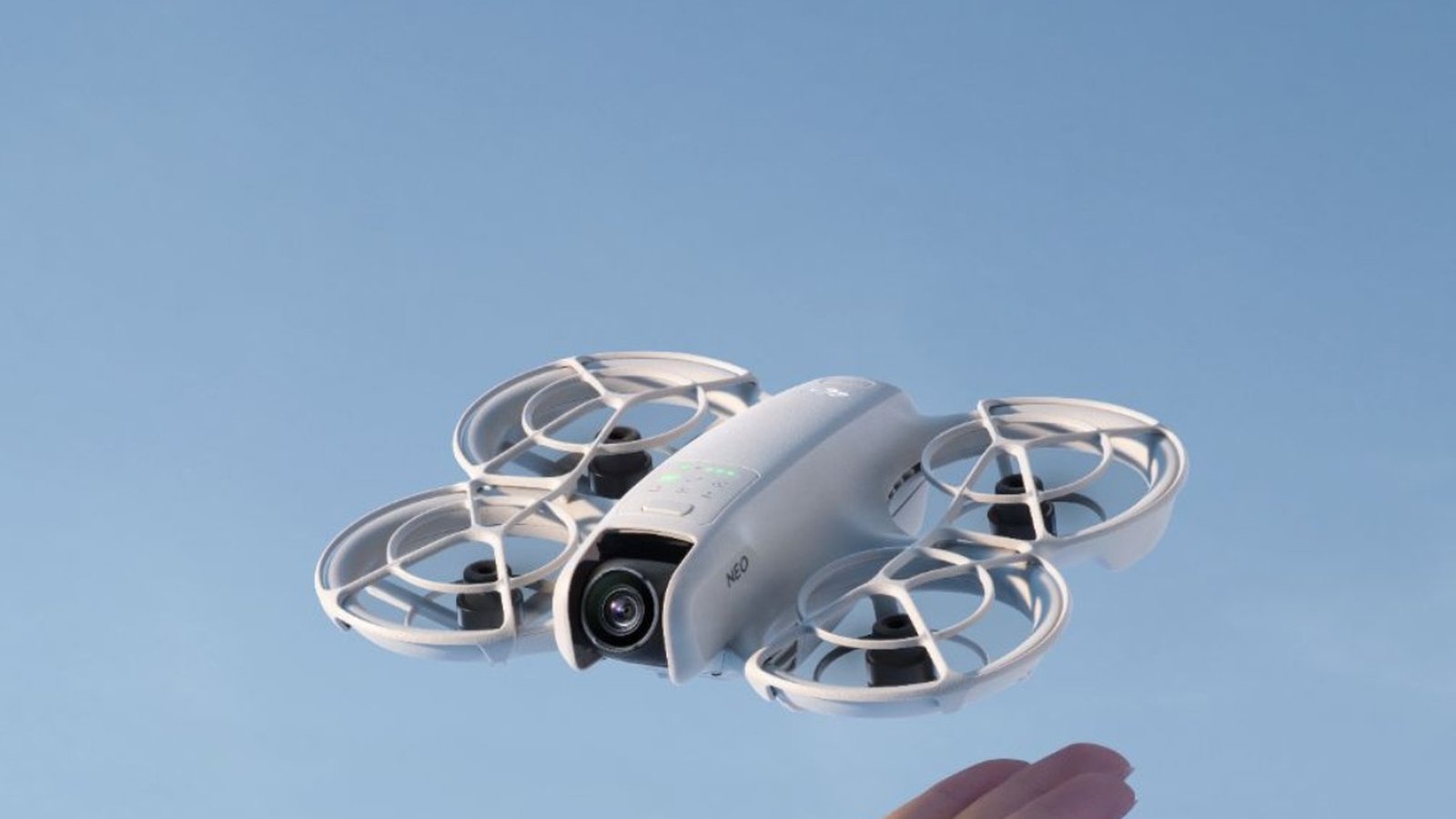
The DJI Neo series is a line of ultra-compact, palm-launch selfie and follow-me camera drones made by DJI of China, built to take off from a user's hand without a separate remote controller and to record hands-free tracking video of the pilot.
Overview
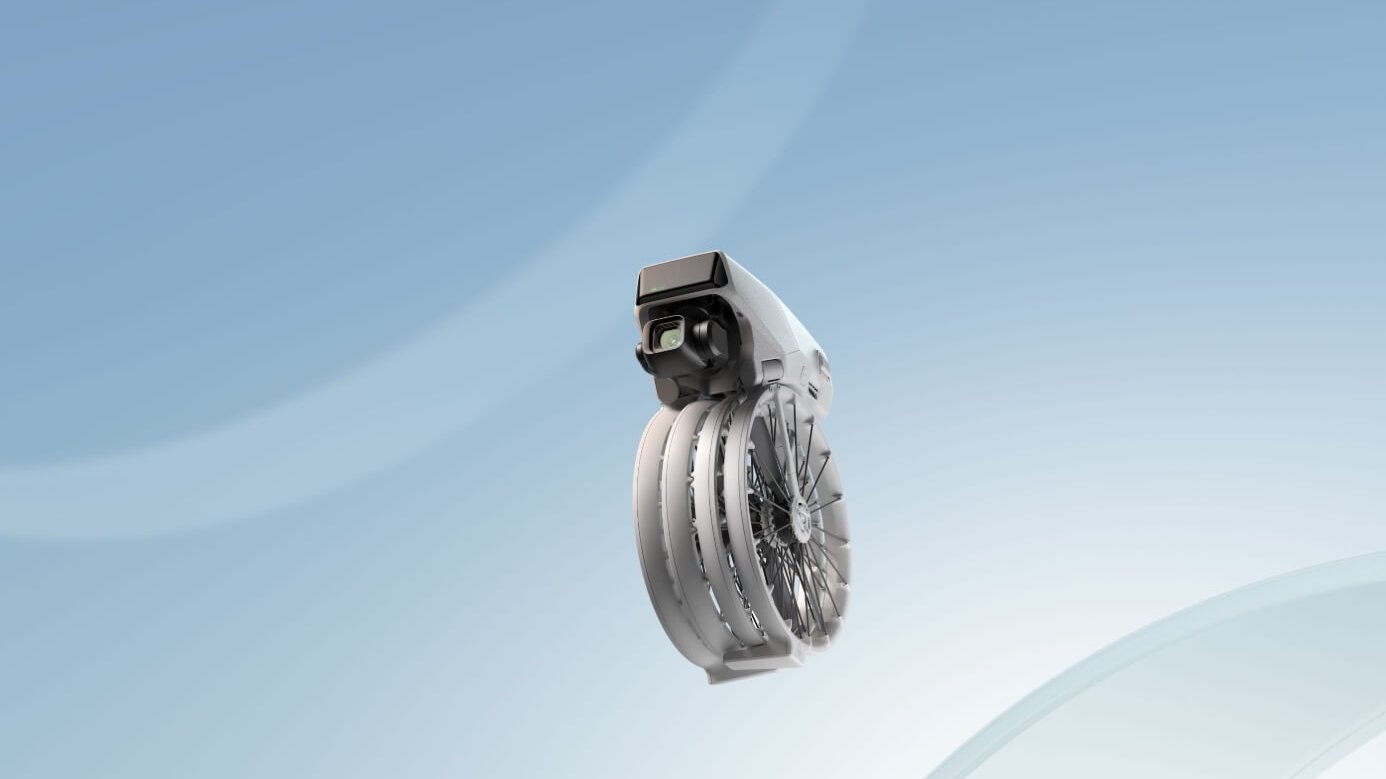
DJI, headquartered in Shenzhen, released the original Neo on 5 September 2024 as its lightest and least expensive camera drone at the time, aimed at buyers who wanted automated selfie and vlogging footage rather than manual piloting. DJI followed it with the Neo 2, launched in Asia in October 2025 and in most other markets, excluding the United States, on 13 November 2025. Both aircraft use palm take-off and landing, automatic subject tracking and full-coverage propeller guards, a different format from the folding-arm design of DJI's Mini and Air series.
Design and capabilities
The original Neo has a take-off weight of about 135 g and measures 130 × 157 × 48.5 mm, small enough to launch and land directly from an open palm using onboard sensors. It carries a 1/2-inch, 12-megapixel CMOS sensor on a single-axis gimbal, records 4K video at up to 30 fps or 1080p at up to 60 fps, and stores footage on 22 GB of non-expandable internal memory. DJI rates its flight time at up to 18 minutes and its maximum flight distance at 7 km. It has no obstacle-avoidance sensors, though it can also be flown manually with an optional remote controller or goggles.
The Neo 2 has a take-off weight of about 151 g and adds a two-axis gimbal, a wider field of view and omnidirectional obstacle sensing; DJI describes it as the company's lightest and most compact drone equipped with that feature. Video recording extends to 4K at up to 100 fps for slow motion, plus a 2.7K vertical mode for social-media formats, saved to 49 GB of internal storage with file transfer of up to 80 MB/s over Wi-Fi. DJI rates the Neo 2's flight time at up to 19 minutes. Paired with the RC-N3 remote controller, DJI states a maximum transmission range of up to 10 km, and cites a maximum tracking speed of 12 m/s (43.2 km/h) in Follow mode. Both aircraft support voice and gesture control alongside DJI's QuickShots and subject-tracking flight modes.
Use cases
DJI positions the Neo series for casual travel video, solo vlogging and social-media clips where a subject wants hands-free tracking footage without carrying a handheld remote controller. The palm-launch feature and light weight target users who might not otherwise fly a drone at all, rather than photographers seeking manual control or long-range flight; pilots wanting more manual control can still add DJI's remote controller or FPV-style goggles to either model.
Variants
- DJI Neo (September 2024) – 135 g take-off weight, single-axis gimbal, no obstacle sensing, up to 18 minutes flight time and 7 km flight distance; launched at US$199.
- DJI Neo 2 (13 November 2025) – 151 g take-off weight, two-axis gimbal, omnidirectional obstacle sensing, up to 19 minutes flight time and a 10 km transmission range with the RC-N3 controller; launched at £209 in the UK and €239 in the EU, with no announced US retail release.
DJI has not announced a "Neo 3"; references to one have so far appeared only in unconfirmed leaks, so it is not listed here as a model.
Frequently asked questions
How much does the DJI Neo 2 cost?
DJI launched the Neo 2 in November 2025 at £209 in the UK and €239 in the EU; it has not announced a US retail release. The original Neo launched in the US at US$199 in September 2024.
How long can a DJI Neo 2 fly?
DJI rates the Neo 2's flight time at up to 19 minutes, compared with up to 18 minutes for the original Neo.
What is the transmission range of the DJI Neo 2?
DJI states a maximum transmission range of up to 10 km when the Neo 2 is paired with the RC-N3 remote controller.
Does the DJI Neo need a remote controller?
No. Both the Neo and Neo 2 can take off and land from a user's palm and fly under gesture or voice control; an optional remote controller or goggles adds manual control and extends range.
Does the DJI Neo 2 have obstacle avoidance?
Yes. DJI describes the Neo 2 as its lightest and most compact drone with omnidirectional obstacle sensing. The original Neo has no obstacle-avoidance sensors.
Is there a DJI Neo 3?
Not as of this writing. A "Neo 3" has appeared only in unconfirmed leaks, and DJI has not announced it.