Sivrisinek
Baykar Tech · Türkiye · also known as Sivrisinek UM, Sivrisinek UMX, SİVRİSİNEK, YIHA III · Updated
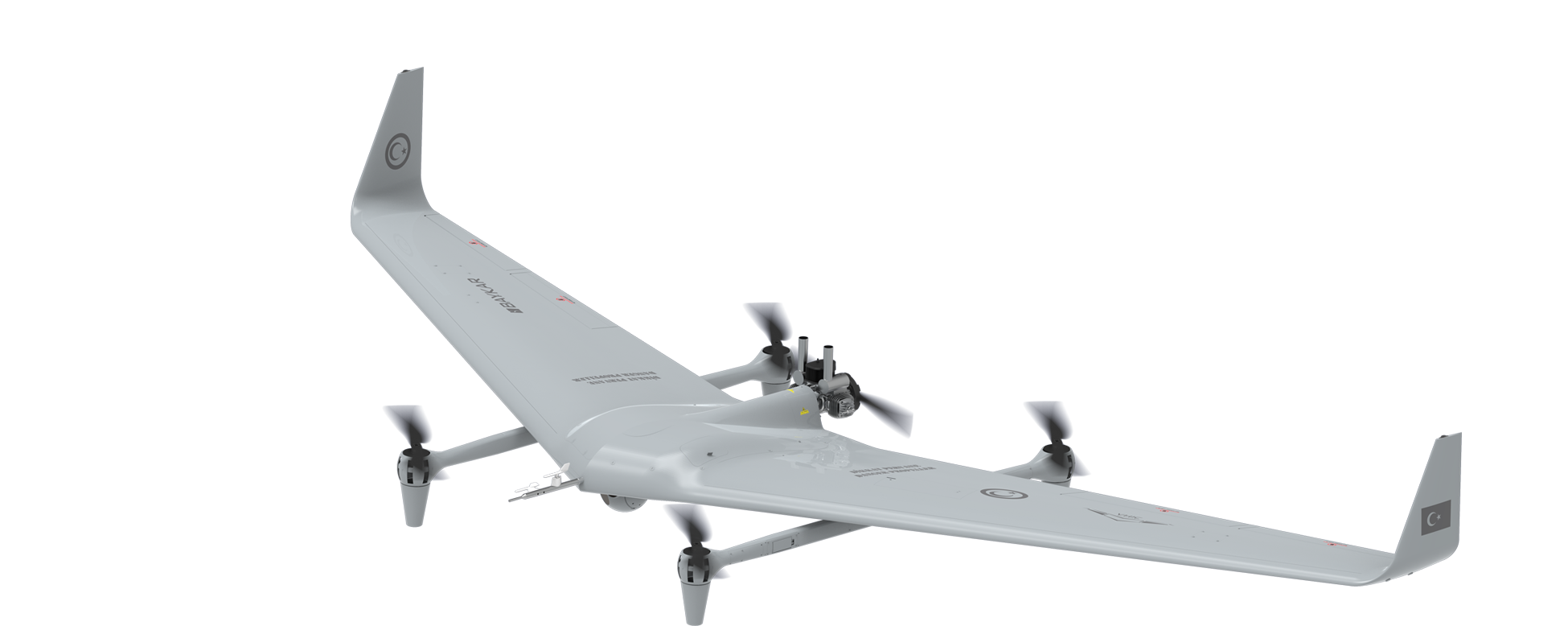
Sivrisinek is a catapult-launched loitering munition developed by Baykar Tech of Turkey, first flown in test alongside the K2 Kamikaze UAV in 2026. Baykar markets it as a next-generation, fire-and-forget strike system that needs no runway, and the name is the Turkish word for mosquito.
Overview
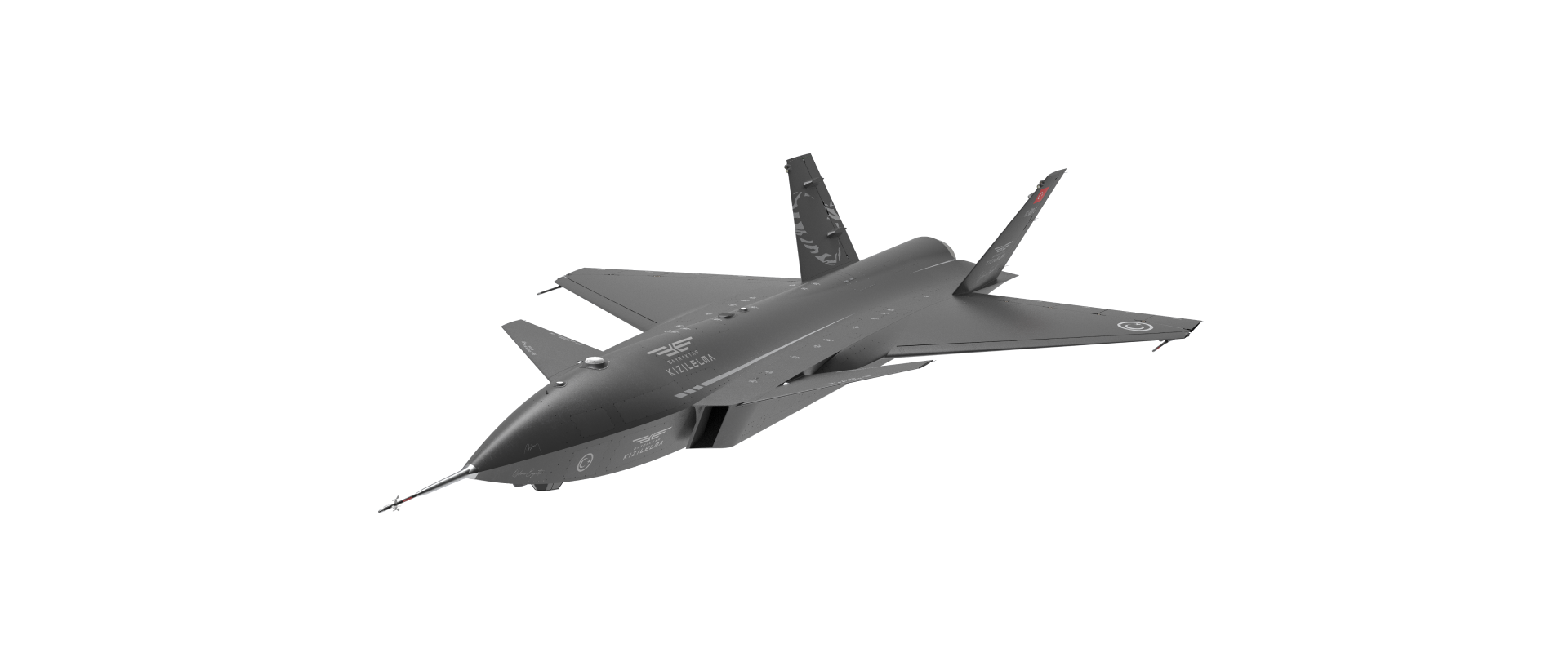
Janes reports that Sivrisinek is a joint Turkey–Pakistan development, previously identified in reporting as YIHA III before Baykar gave it its current name. Baykar flew the Sivrisinek together with the larger K2 Kamikaze UAV from its Keşan Flight Training and Test Center in a test the company dated 24 April 2026, describing both aircraft as its "next-generation platforms." The pair made their public debut together at the SAHA 2026 exhibition in Istanbul, held 5–9 May 2026, where Janes described Sivrisinek as a low-cost, catapult-launched, fire-and-forget, surface-to-surface one-way attack UAV.
Baykar offers Sivrisinek in two configurations: the simplified, lower-cost UM, and the enhanced UMX, which adds AI-assisted optical guidance and better connectivity to command-and-control elements.
Design and capabilities
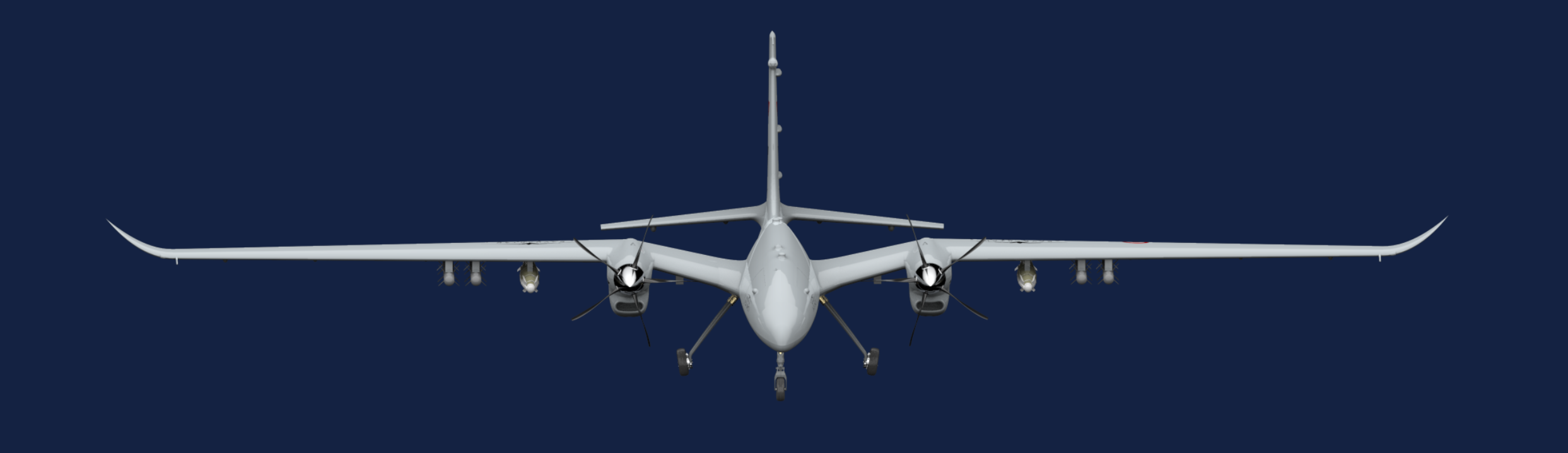
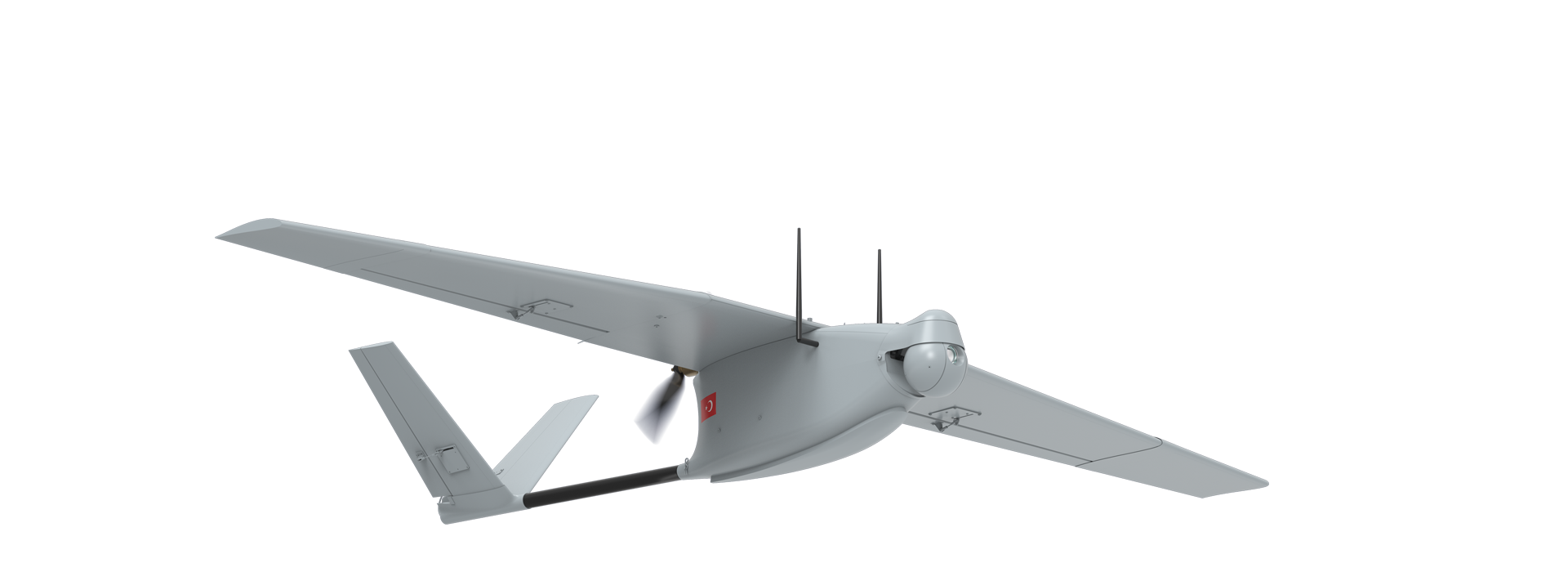
Sivrisinek has a wingspan of 3.2 m and a length of 3.8 m, powered by an internal combustion engine driving a pusher propeller, with a fixed wheeled undercarriage. It launches from a catapult, which Baykar states covers takeoff, landing, cruise and taxi, removing the need for a runway. Both variants carry a 20 kg warhead and use a gimbaled electro-optical camera for targeting and terminal guidance, with a service ceiling of 10,000 ft (3,048 m) and an operating altitude up to 4,000 ft. Baykar states a cruise speed of 55 KIAS (about 102 km/h) and a maximum speed of 70 KIAS (about 130 km/h), the latter reached in the terminal attack phase according to Janes.
The baseline UM has a maximum takeoff weight of 76 kg, a stated endurance of more than 9 hours, a maximum operational range of 1,000 km and a communications range of more than 10 km, using GNSS and electro-optical terminal guidance. The UMX variant has a maximum takeoff weight of 78 kg, an endurance of more than 8 hours, a maximum operational range of 900 km and a communications range of more than 80 km; it adds an AI-assisted electro-optical camera for additional terminal guidance on top of GNSS, secondary ISR via video and digital data links, and an optional anti-jamming system. Both variants can relay communications through Baykar's Bayraktar TB2, Bayraktar TB3 and Bayraktar Akıncı.
Operational history
As of its SAHA 2026 debut, Baykar has not disclosed an operator, customer or export contract for Sivrisinek beyond Pakistan's role as joint development partner; the company's own material covers its flight tests at the Keşan Flight Training and Test Center. The platform remains in flight testing.
Variants
Sivrisinek-UM is the simplified, lower-cost baseline version. Sivrisinek-UMX adds AI-assisted optical terminal guidance, improved connectivity to command-and-control systems, and secondary ISR reporting, at the cost of slightly shorter endurance and range than the UM.
Frequently asked questions
What is the range of Sivrisinek?
Baykar states a maximum operational range of 1,000 km for the UM variant and 900 km for the UMX variant.
How much does Sivrisinek weigh?
The UM variant has a maximum takeoff weight of 76 kg; the UMX variant is 78 kg. Both carry a 20 kg warhead.
How is Sivrisinek launched?
It is catapult-launched and does not need a runway; Baykar states the catapult covers takeoff, landing, cruise and taxi.
What is the difference between Sivrisinek UM and UMX?
UMX adds AI-assisted optical terminal guidance, relay connectivity to command-and-control elements and secondary ISR reporting; UM is the simplified, lower-cost baseline.
Who makes Sivrisinek?
Baykar Tech of Turkey, developed jointly with Pakistan and flown alongside the larger K2 Kamikaze UAV.
Is Sivrisinek in service?
No. As of its SAHA 2026 public debut in May 2026, it remained in flight testing, with no disclosed operator or production contract.